
Description
1. Product Overview
Cooling Tower Sludge is a residual by-product generated from industrial cooling tower systems during water treatment and maintenance processes. It typically consists of accumulated suspended solids, corrosion products, biological matter, and mineral scale residues collected from circulating cooling water systems. This material can serve as a secondary raw material for resource recovery, waste-to-value applications, and specialized industrial processing. In global industrial markets increasingly focused on circular economy practices and responsible waste management, Cooling Tower Sludge represents a strategically important feedstock for recovery, treatment, and recycling operations.
2. Key Specifications & Technical Characteristics
- Material Composition:
- Mineral scale residues (calcium carbonate, silica, magnesium salts)
- Metal oxides and corrosion by-products (iron oxides, trace metals)
- Biological residues and organic matter
- Suspended solids from cooling water systems
- Purity / Grade:
- Industrial process residue grade
- Composition varies based on source cooling system and water chemistry
- Physical Characteristics:
- Form: Semi-solid sludge or dewatered solid cake
- Color: Dark brown to black
- Texture: Fine particulate slurry or compacted sediment
- Moisture Content: Typically 20–60% depending on dewatering process
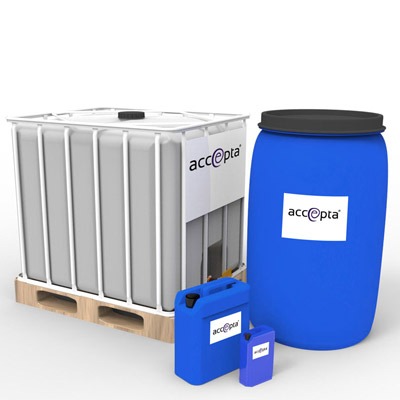
- Packaging Options:
- Bulk loose loading
- 1 MT Jumbo Bags (FIBC)
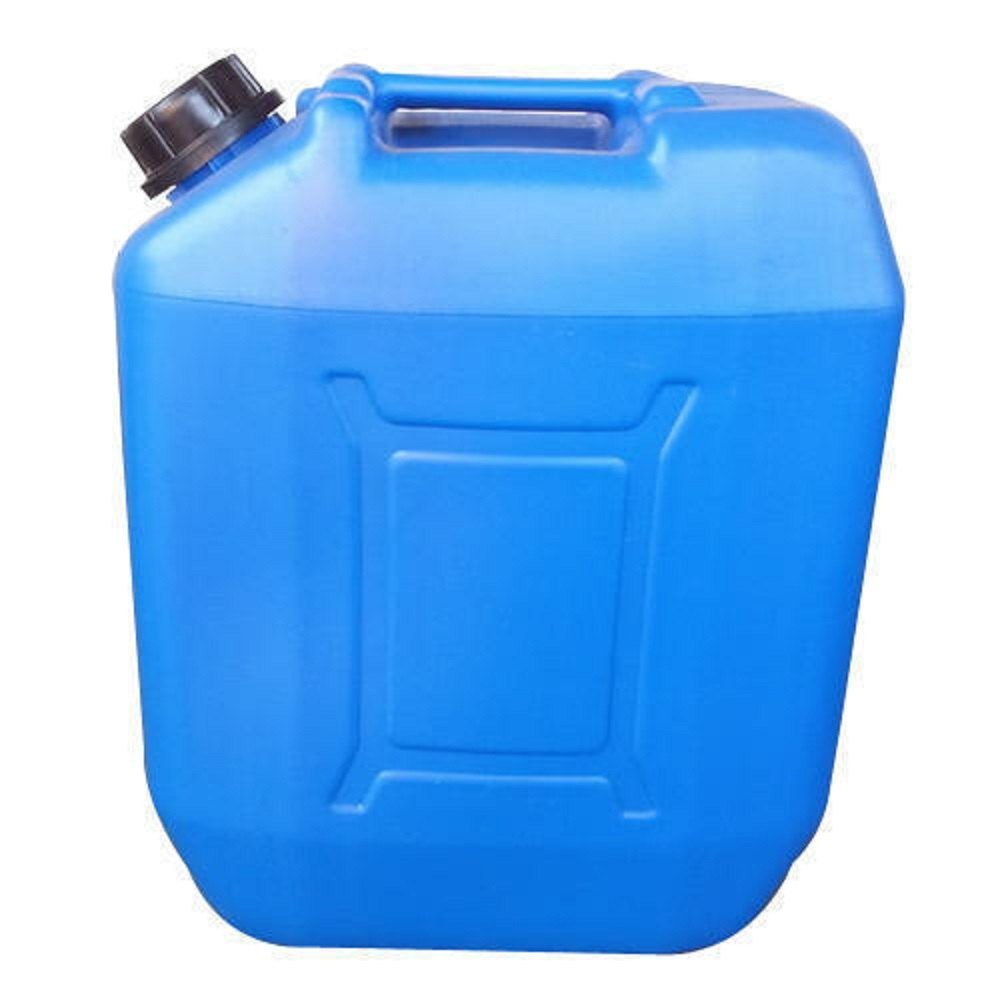
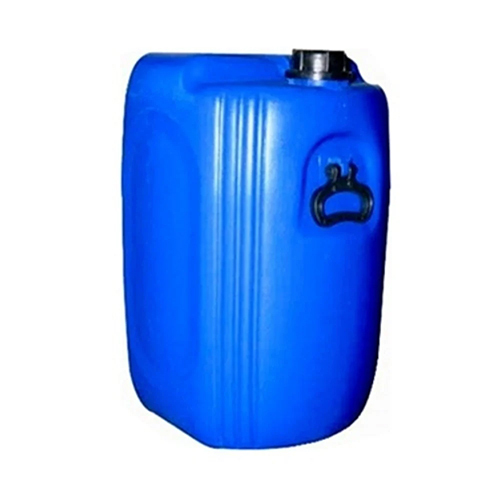
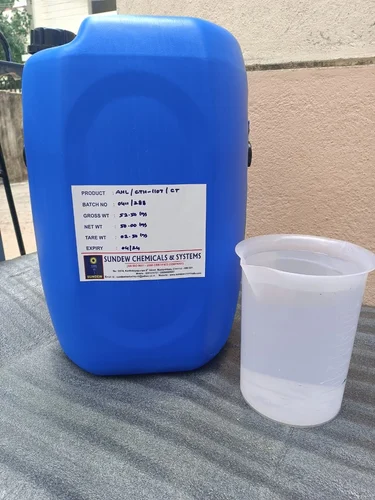
- Sealed industrial containers for moisture control
- Shelf Life:
- Stable under dry storage conditions
- Recommended storage in sealed containers to prevent moisture variation
3. Core Industrial Applications
Industrial Waste Recovery & Resource Processing
Cooling Tower Sludge is commonly used by industrial waste processors and recycling facilities for recovery of valuable minerals, metals, and reusable compounds present in the sediment.
Cement & Construction Material Production
Certain processed sludge fractions can be utilized as supplementary mineral input in cement kilns and construction materials, where mineral content contributes to clinker formation and raw mix optimization.
Environmental Treatment & Waste-to-Value Operations
Specialized environmental service companies process this sludge to recover metals, stabilize contaminants, or convert the material into usable industrial by-products.
Industrial Process Feedstock
In some operations, treated sludge may be incorporated into industrial filler materials or blended into mineral-based products where its particulate composition provides functional value.
Performance Advantages
Compared with primary raw materials, Cooling Tower Sludge can provide cost-efficient mineral inputs and contribute to waste reduction strategies while supporting industrial sustainability targets.
4. Competitive Advantages
- Quality Consistency: Managed sourcing from controlled industrial cooling systems ensures predictable material profiles.
- Reliable Supply: Continuous generation from large-scale industrial operations provides stable, recurring supply streams.
- Efficient Logistics: Available for bulk shipment optimized for international container transport.
- Price Competitiveness: Cost-effective alternative to certain virgin mineral inputs.
- Sustainability Value: Supports circular economy initiatives through industrial waste recovery and resource reuse.
- Technical Documentation: Material characterization and safety documentation available to support industrial buyers and compliance requirements.
5. Commercial & Supply Information
- Minimum Order Quantity (MOQ): Bulk – 20 MT
- Loading Capacity: 20–25 MT per 20’ container depending on moisture level and packaging format.

Reviews
There are no reviews yet.