

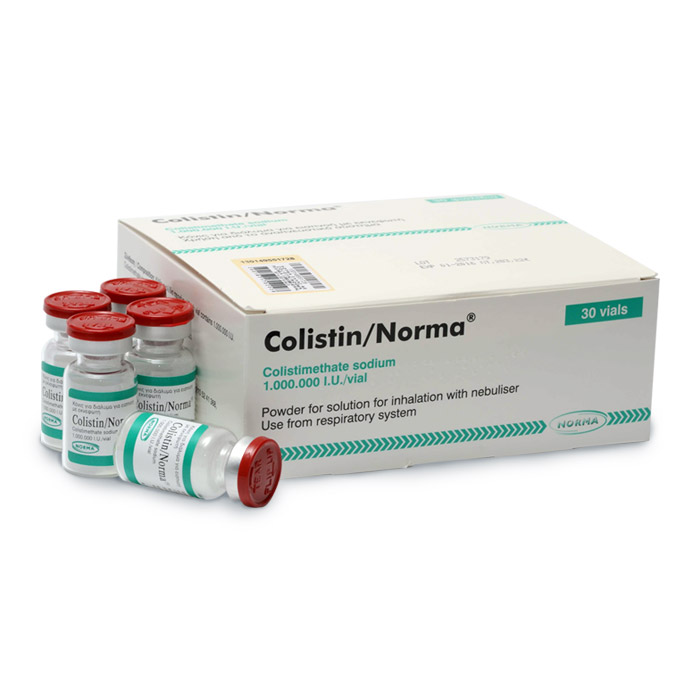



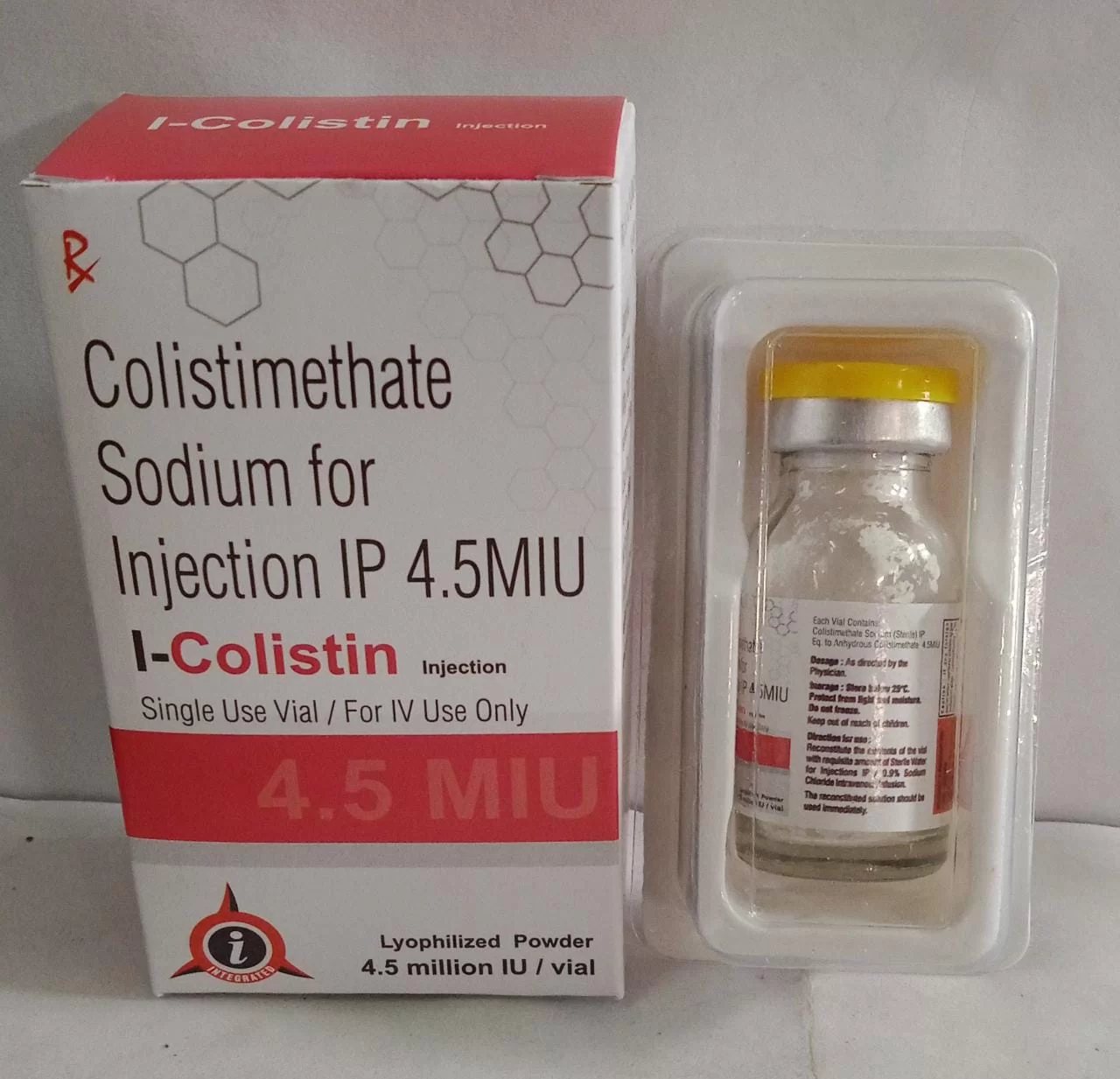
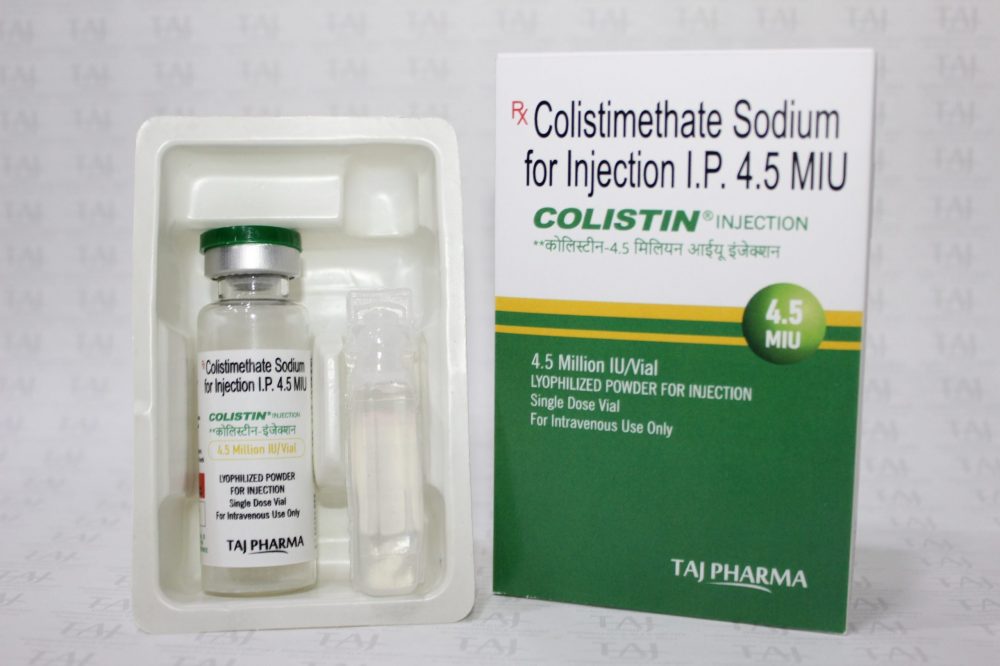



Description
Colistin: A Last Resort Antibiotic Facing a Critical Crossroads
Colistin, also known as polymyxin E, is a powerful antibiotic that has been used for decades, primarily as a last resort treatment for multidrug-resistant Gram-negative bacterial infections. This potent drug is brought out when other antibiotics have failed, offering a lifeline against infections that can otherwise be fatal. However, the increasing prevalence of colistin-resistant bacteria is posing a serious threat, jeopardizing its effectiveness and leaving clinicians with dwindling treatment options.
A Historical Perspective:
Discovered in the late 1940s, colistin initially gained widespread use against Gram-negative bacteria, a class of bacteria notorious for causing hospital-acquired infections like pneumonia, bloodstream infections, and urinary tract infections. However, due to its potential for toxicity, particularly kidney damage (nephrotoxicity) and nerve damage (neurotoxicity), colistin was largely superseded by newer, less toxic antibiotics for many years.
The Rise of Resistance and Colistin’s Reemergence:
The past few decades have witnessed an alarming increase in antibiotic resistance globally. Overuse and misuse of antibiotics in human medicine and animal agriculture have driven the evolution of bacteria that are resistant to multiple drugs, including carbapenems, a powerful class of antibiotics often used as a last resort. This crisis has forced clinicians to revisit older drugs like colistin, which, despite its potential side effects, offers a chance to combat these formidable infections.
How Colistin Works:
Colistin belongs to a class of antibiotics called polymyxins. It works by disrupting the bacterial cell membrane, leading to leakage of cellular contents and ultimately, cell death. This mechanism of action is quite different from many other antibiotics, which target specific bacterial processes like DNA replication or protein synthesis.
The Threat of Colistin Resistance:
While colistin has proven invaluable in treating multidrug-resistant infections, the emergence and spread of colistin-resistant bacteria is a major public health concern. Resistance to colistin can develop through various mechanisms, including:
- Chromosomal Mutations: Mutations in specific bacterial genes can alter the bacterial cell membrane, making it less susceptible to colistin’s disruptive effects.
- Plasmid-Mediated Resistance: The discovery of the mcr-1 gene, which confers colistin resistance, on mobile genetic elements called plasmids, has been particularly alarming. Plasmids can be easily transferred between bacteria, leading to the rapid spread of colistin resistance across different bacterial species.
The Consequences of Colistin Resistance:
The increasing prevalence of colistin-resistant bacteria has dire consequences:
- Limited Treatment Options: When colistin fails, clinicians are left with very few, if any, effective antibiotics to treat life-threatening infections.
- Increased Mortality Rates: Infections caused by colistin-resistant bacteria are associated with higher mortality rates due to the lack of effective treatment.
- Prolonged Hospital Stays: Patients infected with colistin-resistant bacteria often require longer hospital stays and more intensive care, increasing healthcare costs.
Combating Colistin Resistance: A Multifaceted Approach:
Addressing the threat of colistin resistance requires a comprehensive and collaborative approach involving healthcare professionals, researchers, policymakers, and the public. Key strategies include:
- Antimicrobial Stewardship: Implementing robust antimicrobial stewardship programs in hospitals and clinics to ensure that antibiotics are used appropriately and only when necessary.
- Improved Hygiene and Infection Control: Practicing strict hygiene measures and implementing effective infection control protocols in healthcare settings to prevent the spread of resistant bacteria.
- Surveillance and Monitoring: Conducting ongoing surveillance and monitoring of antibiotic resistance patterns to track the emergence and spread of colistin-resistant bacteria.
- Research and Development: Investing in research to develop new antibiotics and alternative therapies to combat multidrug-resistant infections.
- Responsible Antibiotic Use in Animals: Reducing the use of antibiotics in animal agriculture, particularly colistin, to minimize the selection pressure for resistance.
- Global Collaboration: Fostering international collaboration to share information, coordinate surveillance efforts, and develop strategies to address the global threat of antibiotic resistance.
Conclusion:
Colistin remains a critical weapon in the fight against multidrug-resistant bacteria. However, its effectiveness is being jeopardized by the rising tide of colistin resistance. By implementing comprehensive strategies to promote responsible antibiotic use, improve infection control, and invest in research and development, we can safeguard the efficacy of colistin and other essential antibiotics, ensuring that these life-saving drugs remain available for future generations. The future of colistin, and indeed the future of our ability to combat bacterial infections, depends on our collective commitment to addressing this critical challenge.



Reviews
There are no reviews yet.