

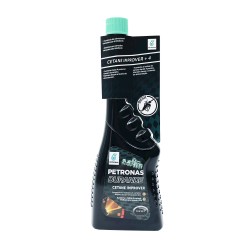

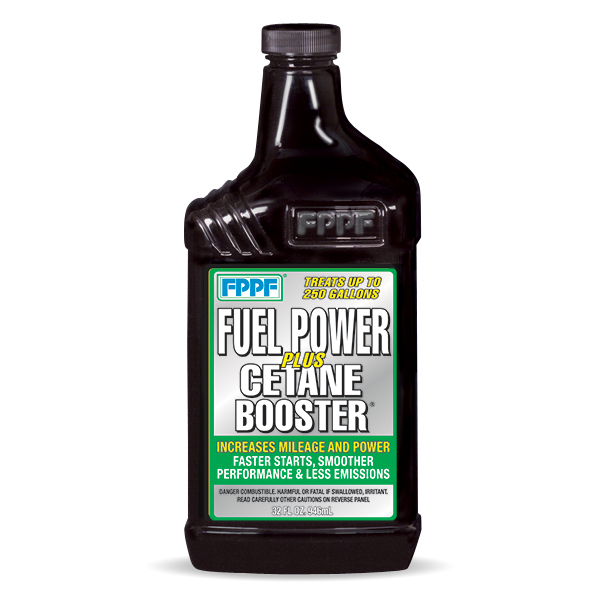
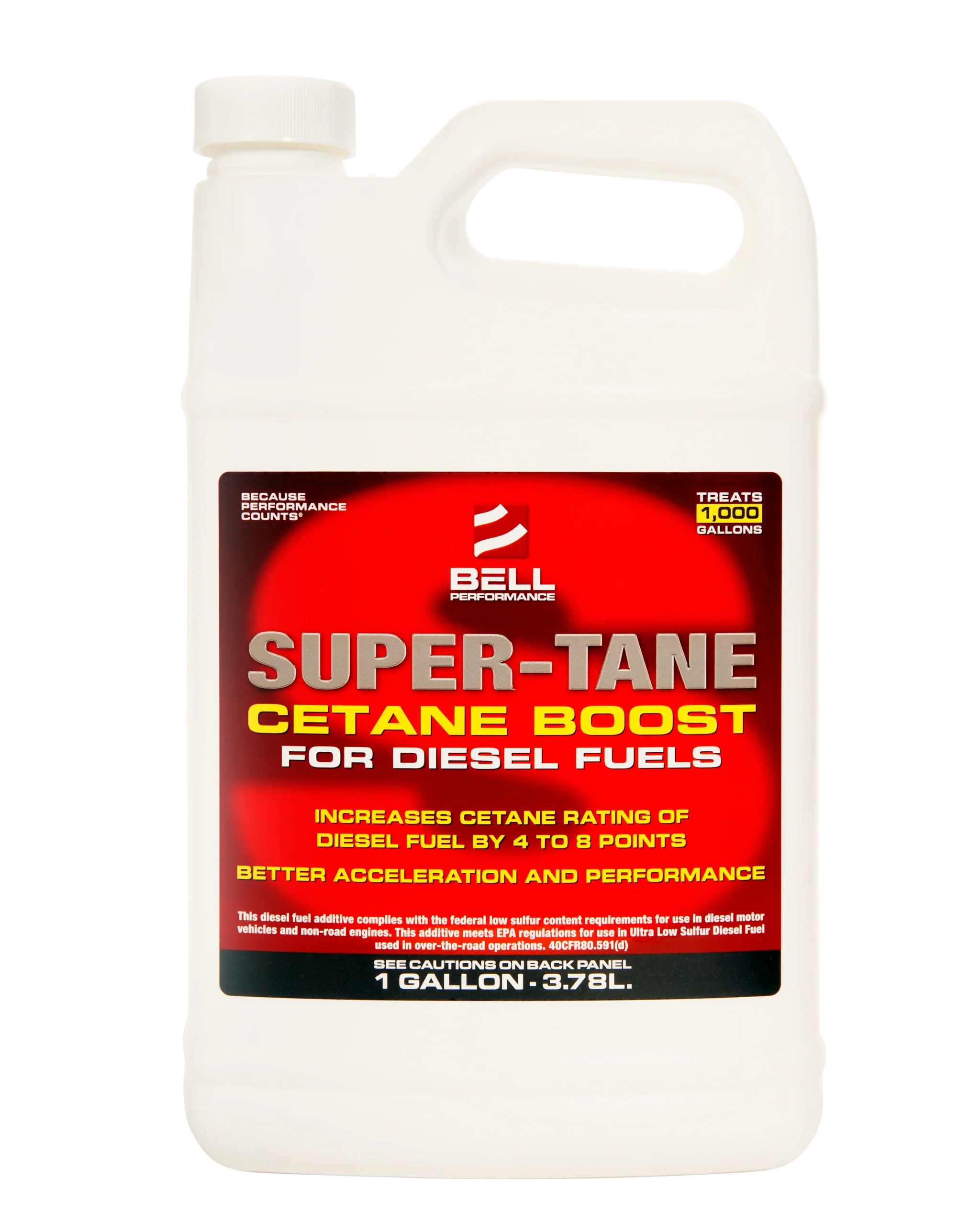
Description
1. Product Overview
Cetane Improvers are specialized fuel additives designed to enhance the cetane number of diesel fuels, improving ignition quality and combustion efficiency. Widely used across refining, fuel distribution, and transportation sectors, they enable smoother engine operation, reduced emissions, and improved cold-start performance. The core value lies in optimizing fuel performance without costly refinery modifications. Strategically, they are essential in meeting stringent fuel standards and emissions regulations while maintaining engine reliability and operational efficiency.
2. Key Specifications & Technical Characteristics
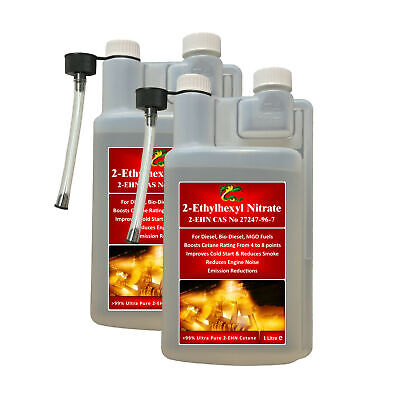
- Chemical Composition: Typically based on organic nitrates such as 2-ethylhexyl nitrate (EHN) or similar ignition accelerators
- Purity Level / Grade: صنعتی (industrial) grade, typically ≥ 99% active component
- Physical Characteristics:
- Form: Liquid
- Color: Clear to pale yellow
- Odor: Mild characteristic odor
- Density: ~0.95–1.00 g/cm³ at 20°C
- Solubility: Fully miscible in diesel fuel
- Packaging Options: Bulk tankers, ISO tanks, 200L drums, 1,000L IBC containers
- Shelf Life: 12–24 months under recommended storage conditions (cool, dry, away from direct sunlight)
3. Core Industrial Applications
Cetane Improvers are primarily used in the petroleum refining, fuel blending, transportation, and power generation industries. They are added to diesel fuels to enhance ignition delay characteristics, resulting in more complete combustion and reduced engine knocking.
Key use cases include:
- Refinery blending to meet cetane index specifications
- Fuel performance enhancement for automotive and heavy-duty diesel engines
- Improving cold-weather operability in low-temperature environments
- Reducing emissions such as hydrocarbons (HC), carbon monoxide (CO), and particulate matter
Compared to alternative fuel modification methods, cetane improvers offer a cost-effective, scalable, and immediate solution without requiring infrastructure changes. They significantly improve fuel efficiency, engine lifespan, and regulatory compliance.
4. Competitive Advantages
- Quality Consistency: Strict quality control ensures stable and predictable performance across batches
- Supply Reliability: Scalable production with dependable global sourcing capabilities
- Logistics Capability: Flexible bulk and containerized shipping options tailored to international buyers
- Price Competitiveness: Optimized cost-performance ratio for large-scale fuel blending operations
- Sustainability Benefits: Supports cleaner combustion, contributing to reduced emissions and improved environmental compliance
- Technical Support: Comprehensive documentation, MSDS, COA, and application guidance available for seamless integration
5. Commercial & Supply Information
- Minimum Order Quantity (MOQ): BULK 20 MT
- Loading Capacity: 20–22 MT per 20-ft container depending on packaging configuration


Reviews
There are no reviews yet.