










Description
Ceftazidime: A Powerful Weapon Against Serious Bacterial Infections
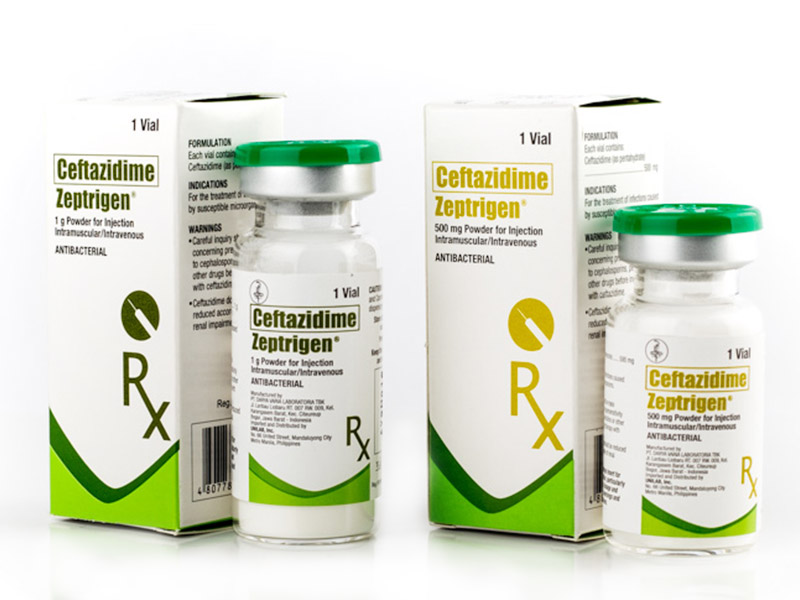
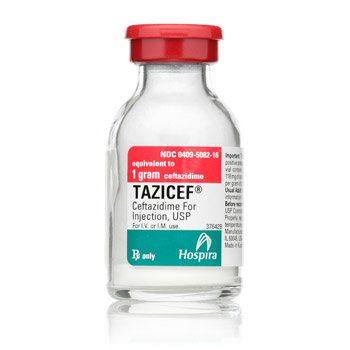
Ceftazidime is a broad-spectrum, third-generation cephalosporin antibiotic widely used in the treatment and prevention of a variety of bacterial infections. Its effectiveness against a wide range of Gram-negative bacteria, including Pseudomonas aeruginosa, makes it a crucial tool in combating serious and often life-threatening infections, particularly in hospital settings.
How Ceftazidime Works:
Ceftazidime belongs to the beta-lactam antibiotic class. Its mechanism of action involves interfering with the bacteria’s ability to synthesize its cell wall. Specifically, ceftazidime binds to penicillin-binding proteins (PBPs), which are essential enzymes responsible for the construction of peptidoglycans, the building blocks of bacterial cell walls. By inhibiting PBP activity, ceftazidime weakens the cell wall, eventually leading to bacterial cell lysis and death.
Spectrum of Activity:
Ceftazidime boasts a broad spectrum of activity, meaning it can effectively target a diverse range of bacteria. While it is effective against many Gram-negative organisms, its Gram-positive activity is more limited compared to first- and second-generation cephalosporins.
Key bacteria that Ceftazidime is effective against include:
- Pseudomonas aeruginosa: This bacterium is a common culprit in hospital-acquired infections, particularly pneumonia, bloodstream infections, and wound infections. Ceftazidime is often a first-line treatment option.
- Escherichia coli (E. coli): Certain strains of E. coli can cause urinary tract infections, bloodstream infections, and pneumonia.
- Klebsiella pneumoniae: This bacterium is a significant cause of hospital-acquired pneumonia and bloodstream infections.
- Proteus mirabilis: A common cause of urinary tract infections.
- Haemophilus influenzae: This bacterium can cause various infections, including pneumonia, meningitis, and ear infections.
Common Uses and Applications:
Due to its broad-spectrum activity, ceftazidime is employed in a variety of clinical settings to treat and prevent infections, including:
- Pneumonia: Particularly hospital-acquired pneumonia, often caused by Pseudomonas aeruginosa.
- Bacteremia (Bloodstream Infections): Ceftazidime can be effective in treating bloodstream infections caused by susceptible bacteria.
- Urinary Tract Infections (UTIs): Complicated UTIs caused by resistant organisms may require ceftazidime treatment.
- Meningitis: In certain cases, ceftazidime may be used to treat bacterial meningitis.
- Intra-abdominal Infections: Often used in combination with other antibiotics to treat complex intra-abdominal infections.
- Febrile Neutropenia: Ceftazidime is often used empirically in patients with neutropenia (low white blood cell count) who have a fever, as they are at high risk of infection.
- Cystic Fibrosis-Related Infections: Ceftazidime is commonly used to treat pulmonary exacerbations in patients with cystic fibrosis, often targeting Pseudomonas aeruginosa.
Administration and Dosage:
Ceftazidime is primarily administered intravenously or intramuscularly, as it is poorly absorbed when taken orally. Dosage regimens vary depending on the severity and type of infection, the patient’s age, weight, kidney function, and other medical conditions. Close monitoring of kidney function is crucial during ceftazidime therapy, especially in elderly patients or those with pre-existing renal impairment, as dosage adjustments are often necessary.
Potential Side Effects:
Like all medications, ceftazidime can cause side effects, although most are mild and well-tolerated. Common side effects include:
- Pain, swelling, or redness at the injection site
- Diarrhea
- Nausea and vomiting
- Rash
- Elevated liver enzymes
Serious side effects are less common but can include:
- Allergic reactions (ranging from mild rash to anaphylaxis)
- Seizures (especially in patients with impaired kidney function)
- Clostridium difficile-associated diarrhea (CDAD)
Antimicrobial Resistance Concerns:
The increasing prevalence of antibiotic resistance is a significant global health threat. Overuse and inappropriate use of ceftazidime, like other antibiotics, contribute to the selection and spread of resistant bacteria. This is particularly concerning with the emergence of bacteria producing extended-spectrum beta-lactamases (ESBLs) and carbapenemases, which can render ceftazidime and other beta-lactam antibiotics ineffective.
Ceftazidime/Avibactam: A New Weapon Against Resistance:
To combat the growing threat of antibiotic resistance, a combination formulation of ceftazidime and avibactam has been developed. Avibactam is a beta-lactamase inhibitor that protects ceftazidime from degradation by certain beta-lactamases, including ESBLs and some carbapenemases. This combination significantly expands the spectrum of activity of ceftazidime and offers a valuable treatment option for infections caused by resistant bacteria.
Conclusion:
Ceftazidime remains a vital antibiotic for treating a wide range of serious bacterial infections, particularly those caused by Gram-negative organisms. However, the increasing threat of antibiotic resistance necessitates responsible use and the development of new strategies, such as the ceftazidime/avibactam combination, to ensure the continued effectiveness of this important antibiotic in the fight against infectious diseases. Careful consideration of potential side effects, appropriate dosing, and vigilant stewardship of ceftazidime and other antibiotics are essential to preserve their efficacy for future generations.




Reviews
There are no reviews yet.