


Description
Carrageenan: A Deep Dive into This Versatile Seaweed Extract
Carrageenan. The name might sound more like a sci-fi alien than an ingredient you’d find in your food. But the truth is, carrageenan is a common food additive derived from red seaweed, prized for its gelling, thickening, and stabilizing properties. From your favorite ice cream to plant-based milks and even cosmetics, carrageenan pops up in a surprising variety of products. But what exactly is it, and why is it so widely used? Let’s dive in.
What Exactly is Carrageenan?
Carrageenan is a family of linear sulfated polysaccharides extracted from edible red seaweeds. Think of it as a complex carbohydrate, similar to fiber. Different types of carrageenan exist, primarily differing in their sulfate content. The three main types used in the food industry are:
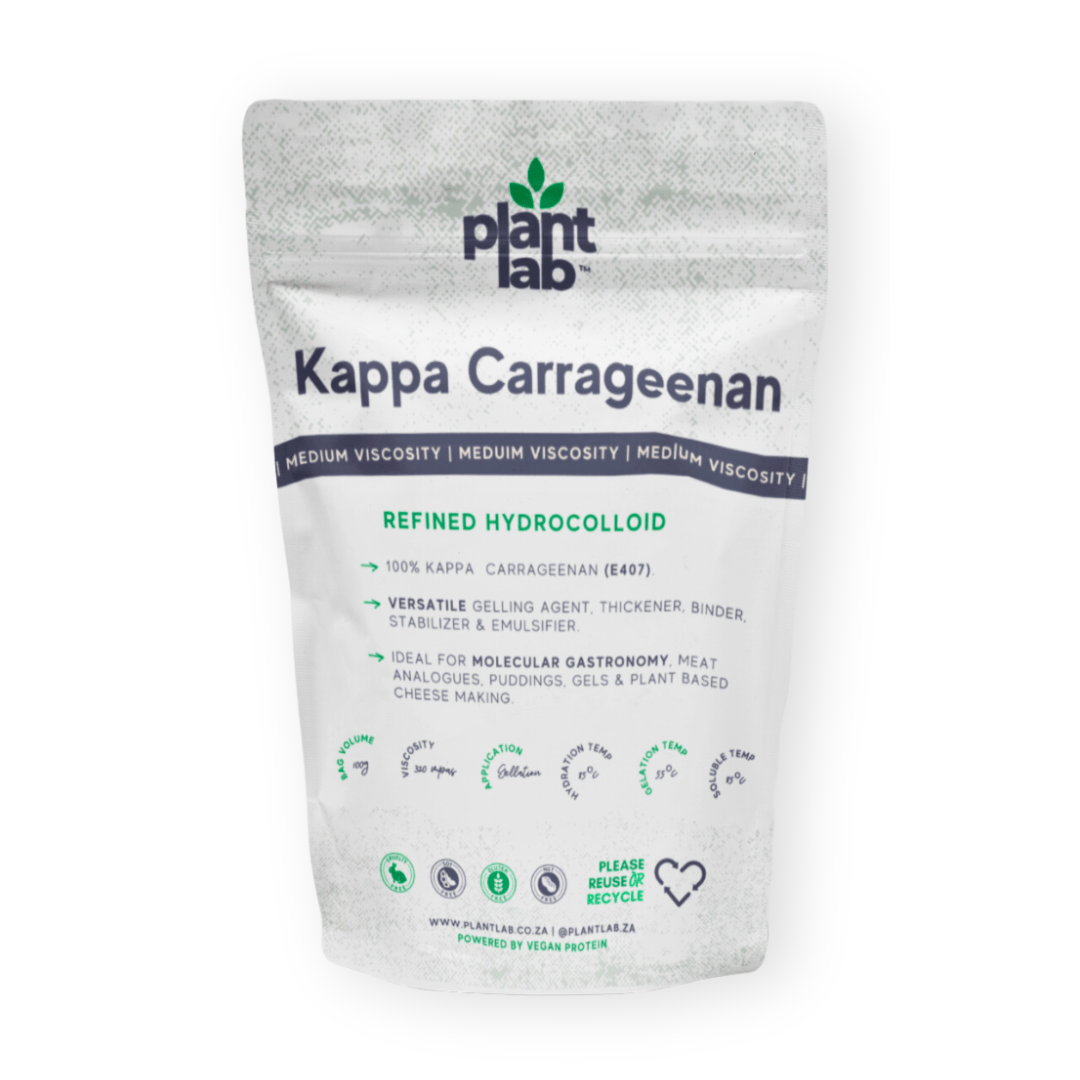
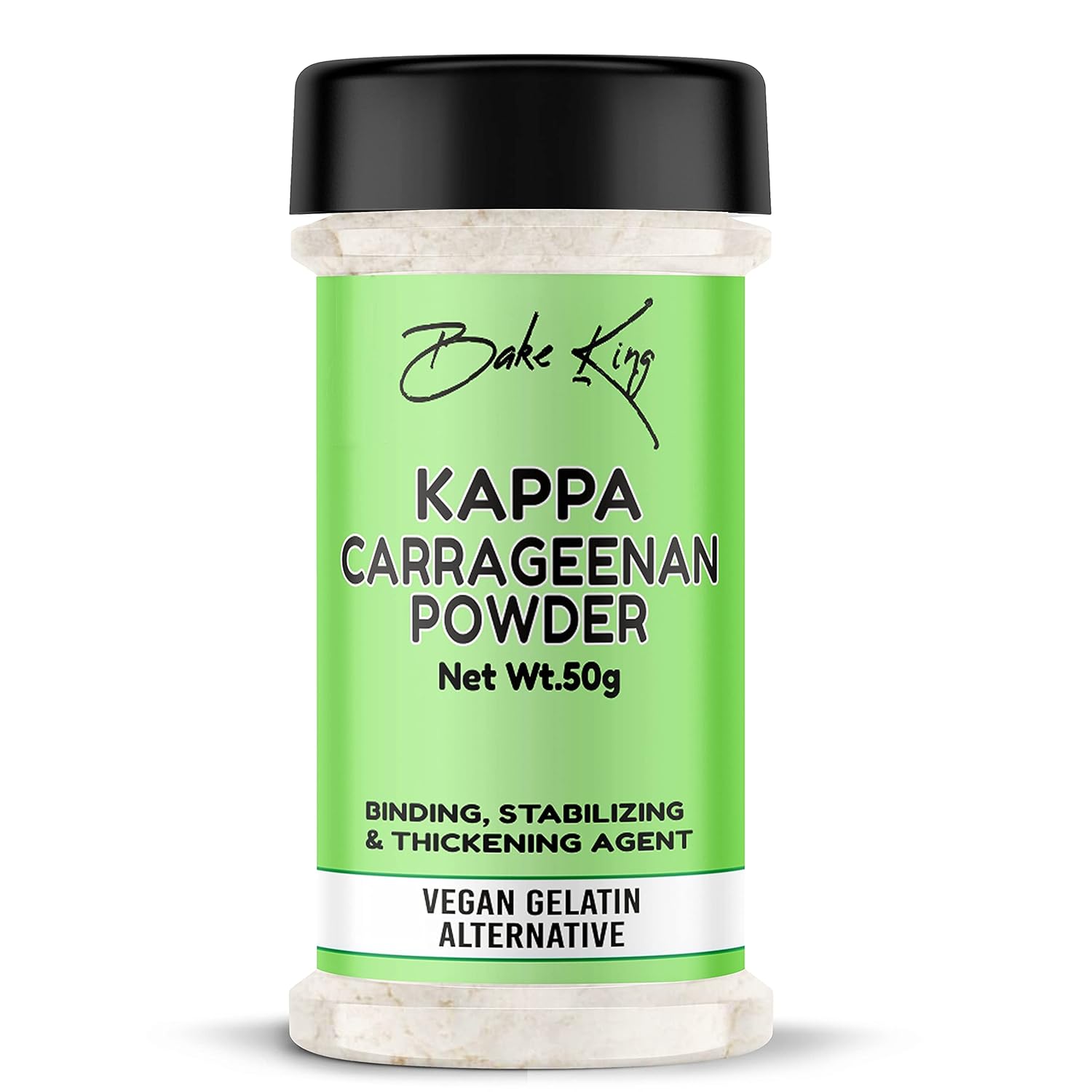
- Kappa carrageenan: Forms strong, rigid gels, typically found in products like jellies and processed meats.
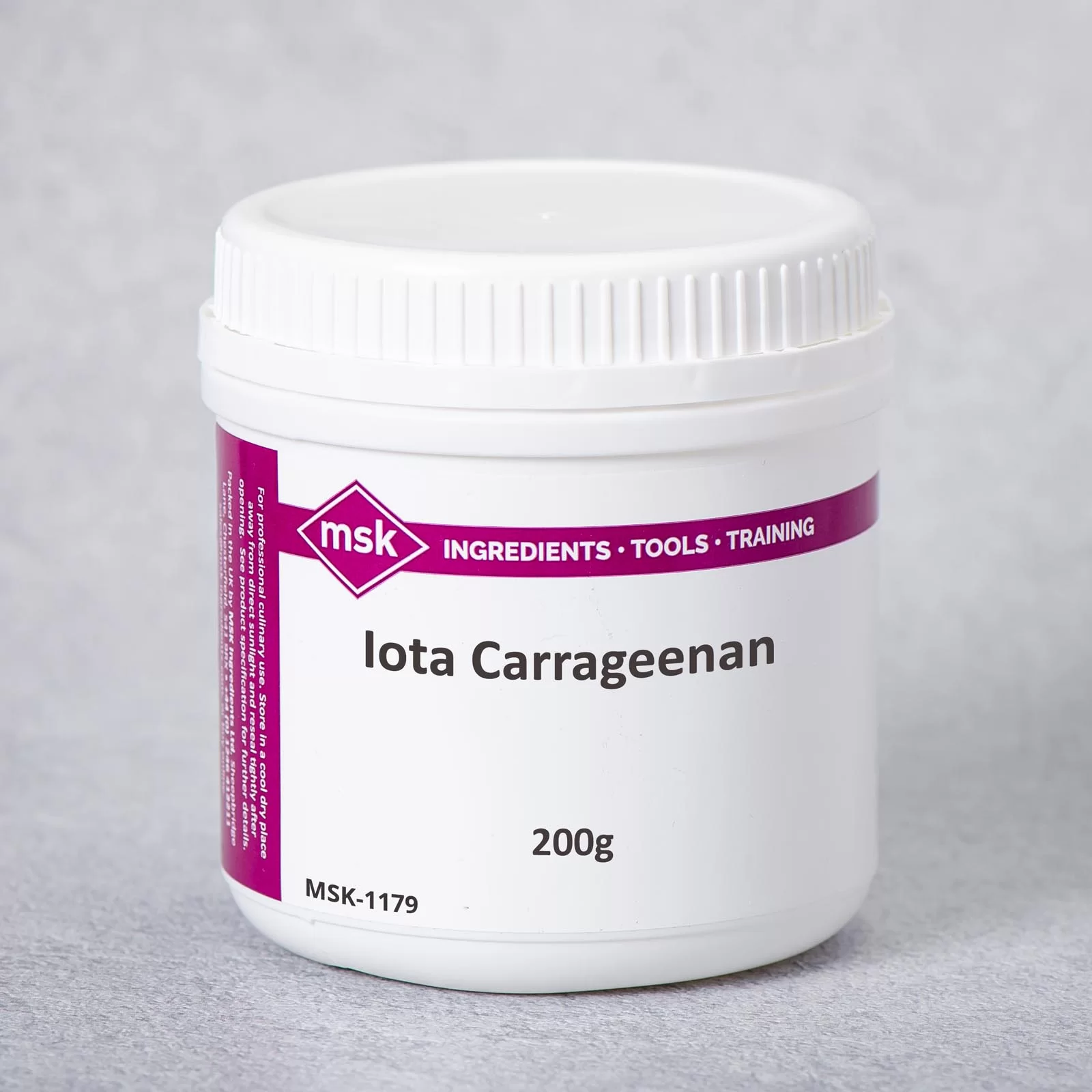
- Iota carrageenan: Creates softer, more elastic gels, ideal for products like desserts and dairy alternatives.
- Lambda carrageenan: Does not form gels on its own but is excellent for thickening and emulsifying, often used in sauces and salad dressings.
Why is Carrageenan Used in Food and Other Products?
Carrageenan’s versatility stems from its unique ability to interact with proteins and other carbohydrates. Here are some key reasons for its widespread use:
- Gelling Agent: Carrageenan is a highly effective gelling agent, providing structure and texture to foods like puddings, jellies, and vegan desserts.
- Thickening Agent: It helps to increase the viscosity of liquids, making sauces, soups, and beverages thicker and more appealing.
- Stabilizer: Carrageenan prevents ingredients from separating, ensuring a consistent texture and appearance throughout the product’s shelf life. This is crucial for products like almond milk and coconut milk, where separation can occur.
- Emulsifier: It helps to blend oil and water-based ingredients, creating smooth and homogenous mixtures. This is beneficial in products like salad dressings and ice cream.
- Meat Processing: Carrageenan can be used in processed meats to improve yield, texture, and water-holding capacity.
- Other Applications: Beyond food, carrageenan is also used in cosmetics, pharmaceuticals, and even air fresheners for its thickening and stabilizing properties.
The Controversy Surrounding Carrageenan
While widely used, carrageenan has been the subject of some controversy regarding its potential health effects. Some studies suggest that degraded carrageenan (often referred to as poligeenan) can cause inflammation in the digestive system and may be linked to gastrointestinal issues like irritable bowel syndrome (IBS). However, it’s important to distinguish between degraded and undegraded carrageenan.
- Degraded Carrageenan (Poligeenan): This form is created by exposing carrageenan to high temperatures and acidic conditions. It’s known to have inflammatory properties and is not allowed in food products.
- Undegraded Carrageenan: This is the form used in food and is generally considered safe by regulatory bodies like the FDA and the European Food Safety Authority (EFSA) when used within established guidelines.
Despite these assurances, some individuals remain concerned about the potential for even undegraded carrageenan to cause digestive problems. Many advocacy groups continue to call for further research and stricter regulations.
Making Informed Choices
Ultimately, the decision to consume products containing carrageenan is a personal one. Understanding the properties of carrageenan, its uses, and the ongoing debate surrounding its safety can help you make informed choices that align with your individual health needs and preferences.
Here are a few things to consider:
- Listen to Your Body: Pay attention to how your body reacts to products containing carrageenan. If you experience digestive discomfort or other symptoms after consuming these products, consider eliminating them from your diet.
- Read Labels Carefully: Be aware of the ingredients in the products you consume. Carrageenan is often listed clearly on food labels.
- Seek Alternatives: If you’re concerned about carrageenan, look for products that use alternative thickeners and stabilizers like guar gum, xanthan gum, or agar-agar.
- Stay Informed: Keep up-to-date on the latest research and information regarding carrageenan and its potential health effects.
In conclusion, carrageenan is a versatile and widely used ingredient with numerous applications across various industries. While its safety remains a topic of debate, understanding its properties and potential health effects empowers consumers to make informed choices and navigate the world of food additives with greater confidence.


Reviews
There are no reviews yet.