
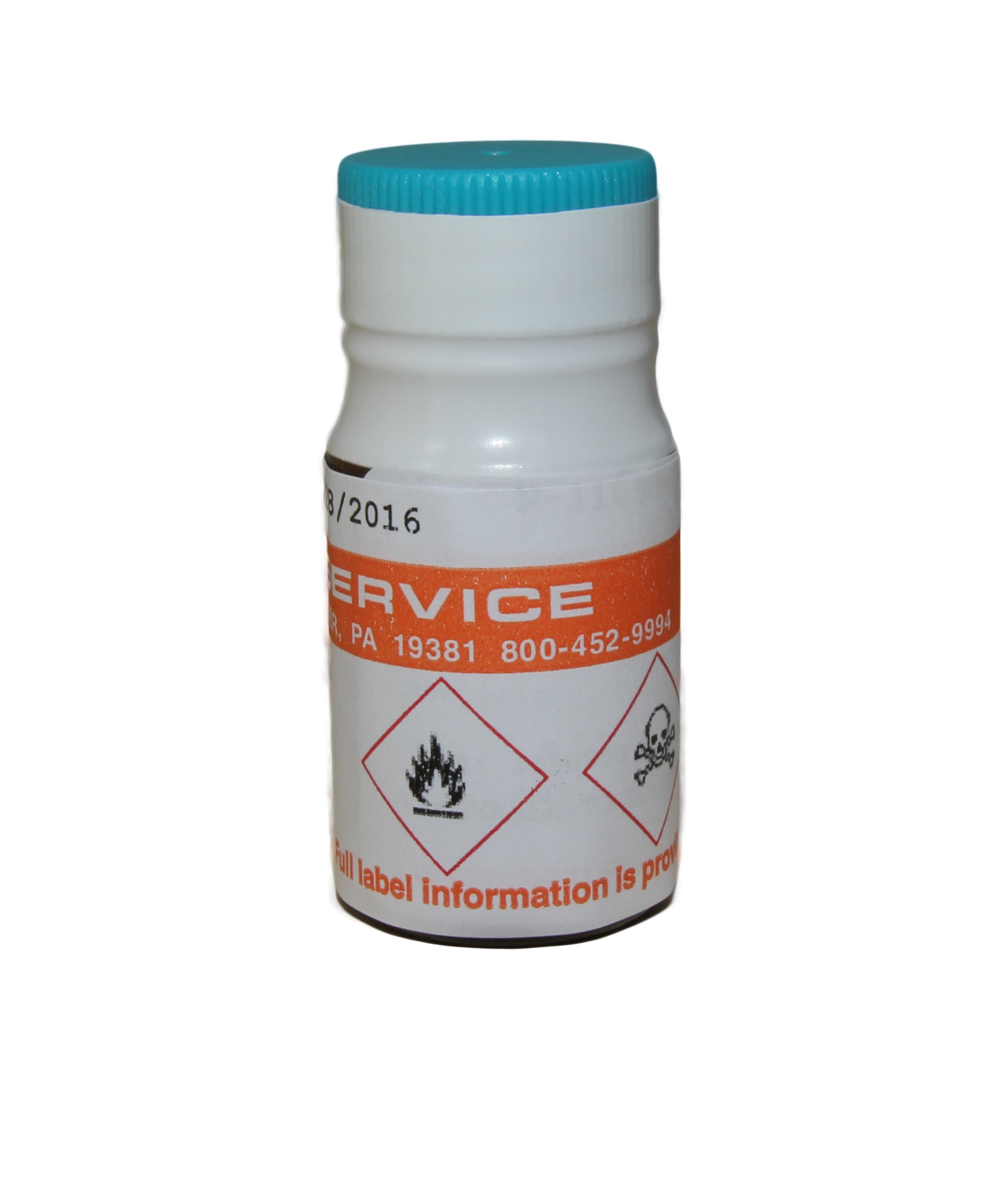
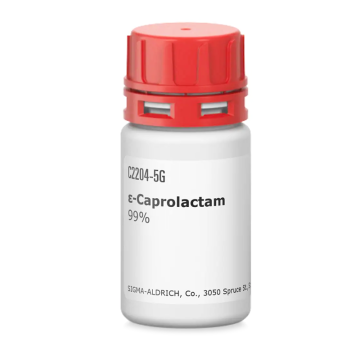
Description
Caprolactam: The Building Block of a Versatile and Strong Synthetic Fiber
Caprolactam is an organic compound with the formula (CH₂)₅C(O)NH. This cyclic amide, a white solid at room temperature, plays a crucial role in the production of nylon 6, one of the most widely used synthetic polymers in the world. Its versatility and strength have made it a staple in industries ranging from textiles and automotive to packaging and engineering.
A Key Monomer for Nylon 6
The primary use of caprolactam is as a monomer in the production of nylon 6, also known as polycaprolactam. This polymerization process involves the ring-opening polymerization of caprolactam, a process typically initiated by heat and a small amount of water. The ring structure of caprolactam opens up and links to other caprolactam molecules, forming a long chain polymer. The resulting nylon 6 possesses excellent tensile strength, elasticity, and resistance to abrasion, making it an ideal material for a diverse range of applications.
Production Processes: From Phenol to Ammonia
The production of caprolactam is a complex process, typically starting with either phenol or cyclohexane. Several different routes exist, but most involve multiple chemical reactions to convert the starting material into the desired cyclic amide structure.
- From Phenol: This route often involves hydrogenation of phenol to cyclohexanone, followed by oxime formation with hydroxylamine. The Beckmann rearrangement then converts the cyclohexanone oxime into caprolactam.
- From Cyclohexane: This route involves the oxidation of cyclohexane to cyclohexanone and cyclohexanol, followed by the same oxime formation and Beckmann rearrangement steps mentioned above.
The choice of route depends on factors such as the availability of raw materials, cost-effectiveness, and environmental considerations. Ongoing research focuses on developing more sustainable and efficient methods for caprolactam production, reducing waste and energy consumption.
Applications Across Industries:
The nylon 6 produced from caprolactam finds applications in a vast array of industries, including:
- Textiles: As a strong and durable fiber, nylon 6 is used in clothing, carpets, upholstery, and industrial fabrics. Its resistance to abrasion and stretching makes it ideal for high-wear applications.
- Automotive: Nylon 6 is used in various automotive components, including tire cords, airbags, and under-the-hood parts. Its high strength and resistance to heat and chemicals contribute to vehicle safety and performance.
- Packaging: Nylon 6 films are used in food packaging, providing excellent barrier properties against oxygen and moisture, extending the shelf life of perishable goods.
- Engineering Plastics: Nylon 6 is used as an engineering plastic in applications requiring high strength, stiffness, and resistance to chemicals. This includes gears, bearings, and other mechanical components.
- Fishing Nets and Ropes: Its high tensile strength and water resistance make nylon 6 an ideal material for fishing nets, ropes, and other marine applications.
Environmental Considerations and Future Trends:
While nylon 6 offers numerous benefits, concerns remain regarding the environmental impact of caprolactam production and nylon 6 waste. Researchers are actively exploring solutions such as:
- Developing more sustainable production processes: This includes utilizing bio-based feedstocks and reducing energy consumption.
- Improving nylon 6 recycling technologies: Developing efficient and cost-effective methods for recycling nylon 6 waste to reduce landfill burden and conserve resources.
- Exploring biodegradable alternatives: Researching and developing biodegradable polymers that can replace nylon 6 in certain applications, minimizing environmental impact.
Conclusion:
Caprolactam remains a crucial building block for the production of nylon 6, a versatile and strong synthetic fiber with applications across numerous industries. While environmental concerns exist, ongoing research and innovation are focused on developing more sustainable production processes and improving recycling technologies. As industries continue to demand high-performance materials, caprolactam and nylon 6 will likely remain significant players in the global materials market. However, the future success of these materials will depend on the industry’s commitment to addressing environmental concerns and developing more sustainable practices.


Reviews
There are no reviews yet.