
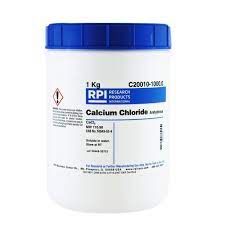
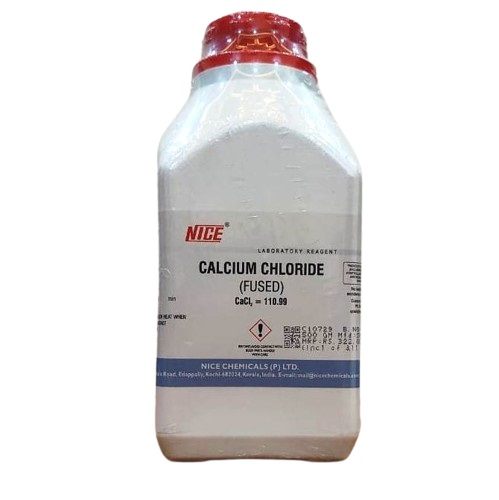

Calcium chloride

£19.99

Calcium Chloride Benefits: Unlocking the Power of this Essential Mineral

Calcium chloride is a mineral that is essential for our overall health and well-being. From supporting bone health to aiding in muscle function, this versatile nutrient offers a wide range of benefits. In this article, we will explore the various benefits of calcium chloride, discuss its prescription, delve into its nutritional information, and take a closer look at its ingredients.

Benefits of Calcium Chloride

  1. Bone Health: Calcium chloride plays a crucial role in maintaining strong and healthy bones. It helps in the formation and maintenance of bone tissue, reducing the risk of osteoporosis and fractures.
  2. Muscle Function: This mineral is also important for proper muscle function. It helps in muscle contraction and relaxation, supporting overall muscle health and performance.
  3. Nerve Function: Calcium chloride is essential for the transmission of nerve signals throughout the body. It helps in maintaining a healthy nervous system and supports cognitive function.
  4. Blood Clotting: Calcium chloride is involved in the process of blood clotting, which is essential for wound healing and preventing excessive bleeding.
  5. Heart Health: Adequate intake of calcium chloride is linked to a lower risk of cardiovascular diseases. It helps in maintaining a healthy heart rhythm and blood pressure.

Prescription of Calcium Chloride

  • Dosage: The recommended daily intake of calcium chloride varies depending on age, gender, and specific health conditions. It is important to consult a healthcare professional to determine the correct dosage for you.
  • Administration: Calcium chloride is available in various forms, including tablets, capsules, and liquid supplements. It is usually taken with food to enhance absorption.
  • Interactions: It is important to note that calcium chloride can interact with certain medications, such as antibiotics and diuretics. Always inform your healthcare provider about any supplements you are taking.

Nutritional Information of Calcium Chloride

Below is the nutritional information for calcium chloride per serving (1 tablespoon):

  • Calories: 0
  • Total Fat: 0g
  • Sodium: 0mg
  • Total Carbohydrates: 0g
  • Protein: 0g

Ingredients of Calcium Chloride

The main ingredient in calcium chloride supplements is, of course, calcium chloride. This compound is derived from limestone and other natural sources. It is processed into a form that is easily absorbed by the body, ensuring maximum efficacy.
In conclusion, calcium chloride is a vital nutrient that offers a multitude of benefits for our health. From supporting bone strength to aiding in muscle function and nerve transmission, this mineral is truly essential. Consider incorporating calcium chloride-rich foods or supplements into your daily routine to reap the numerous advantages it has to offer. Remember, always consult with a healthcare professional before starting any new supplement regimen to ensure it is appropriate for your individual needs.

Category:

Description

Calcium Chloride: More Than Just Road Salt

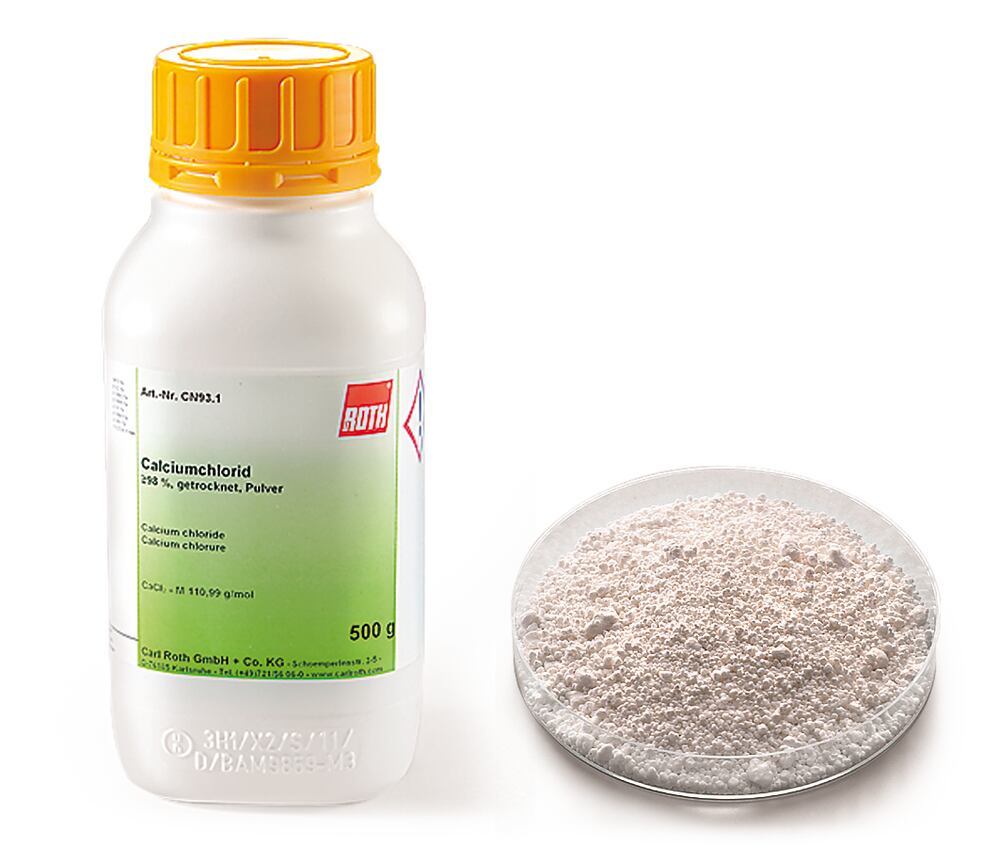
Calcium chloride (CaCl₂) is a ubiquitous chemical compound with a surprisingly wide range of applications that extend far beyond its most well-known use as a de-icing agent on roads. This white, crystalline salt, soluble in water, is a versatile workhorse chemical used in various industries, from food production to medicine. Understanding its properties and applications sheds light on its importance in modern life.

Chemical Properties and Production:

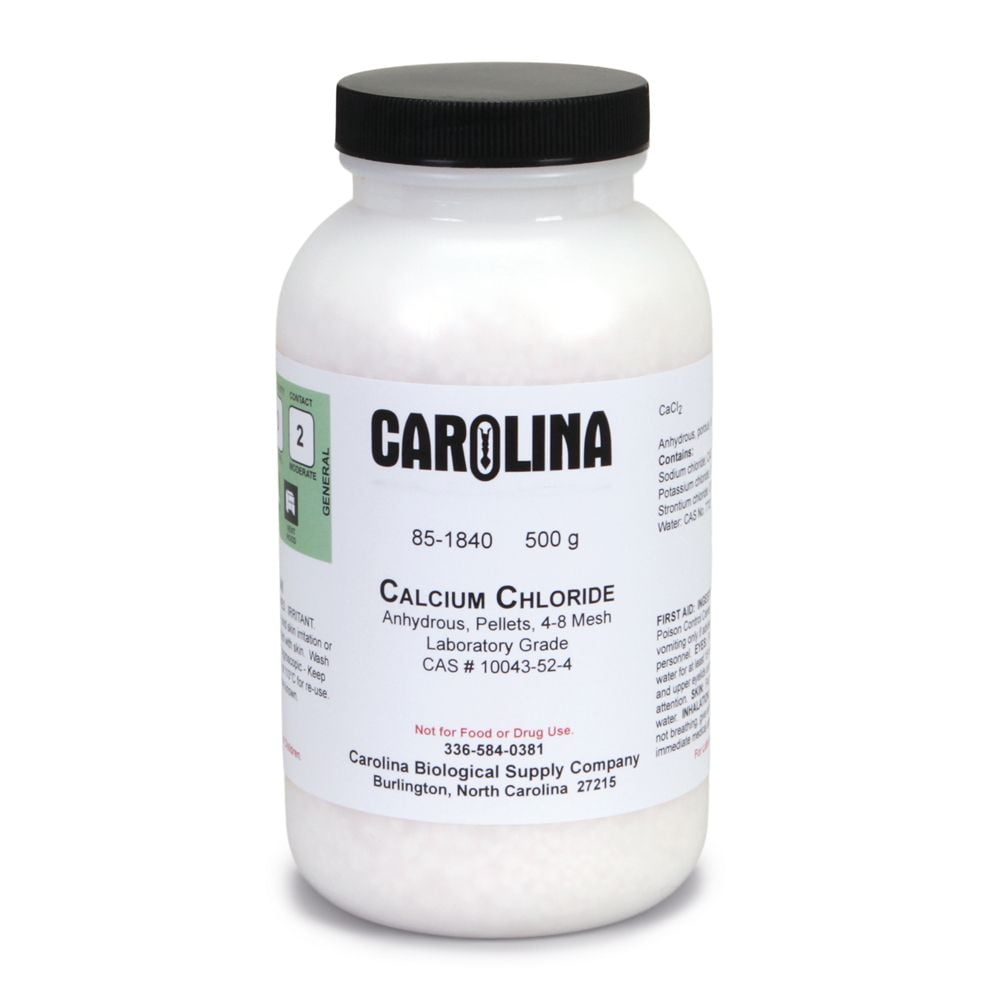
Calcium chloride is an ionic compound composed of calcium (Ca²⁺) and chloride (Cl⁻) ions. It’s hygroscopic, meaning it readily absorbs moisture from the air. This property is key to many of its applications.

Industrially, calcium chloride is often produced as a byproduct of the Solvay process, which is used to manufacture sodium carbonate (soda ash). It can also be extracted from limestone or brine solutions.

Beyond De-Icing: A Diverse Range of Applications:

While calcium chloride is undoubtedly a common ingredient in road salt mixtures used to prevent ice formation, its utility goes far beyond winter safety. Here are some of its key applications:

  • Dust Control: Calcium chloride solutions are sprayed on unpaved roads and construction sites to suppress dust. Its hygroscopic nature keeps the road surface damp, binding dust particles together and preventing them from becoming airborne. This improves visibility and reduces respiratory hazards.
  • Food Industry: Calcium chloride plays a role in food processing and preservation. It’s used as a firming agent for canned vegetables and fruits, helping them maintain their texture during processing. It’s also used in cheese making to adjust calcium levels in milk, improving curd formation. Tofu production often utilizes calcium chloride as a coagulant.
  • Oil and Gas Industry: In the oil and gas industry, calcium chloride is used to increase the density of well fluids. This helps prevent formation damage and stabilize boreholes during drilling operations.
  • Construction: Calcium chloride accelerates the setting time of concrete, allowing for faster construction and reduced curing time. It’s particularly useful in cold weather conditions.
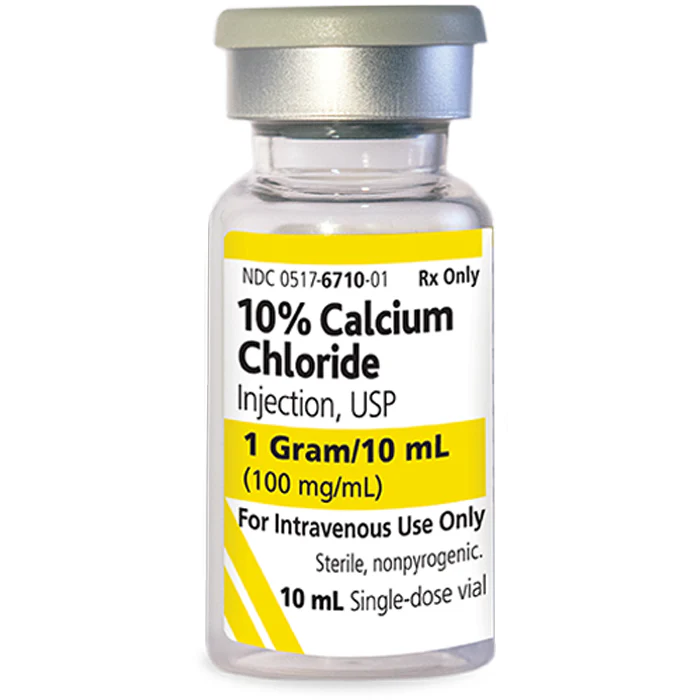
  • Medicine: In the medical field, calcium chloride is used to treat conditions related to calcium deficiencies, such as hypocalcemia. It can also be used in emergency situations to treat hyperkalemia (high potassium levels) and magnesium toxicity.
  • Pool Maintenance: Calcium chloride is used to increase the calcium hardness of swimming pool water. This helps prevent corrosion of pool equipment and keeps the water balanced.

Safety Considerations:

While calcium chloride is generally considered safe when used appropriately, certain precautions should be taken:

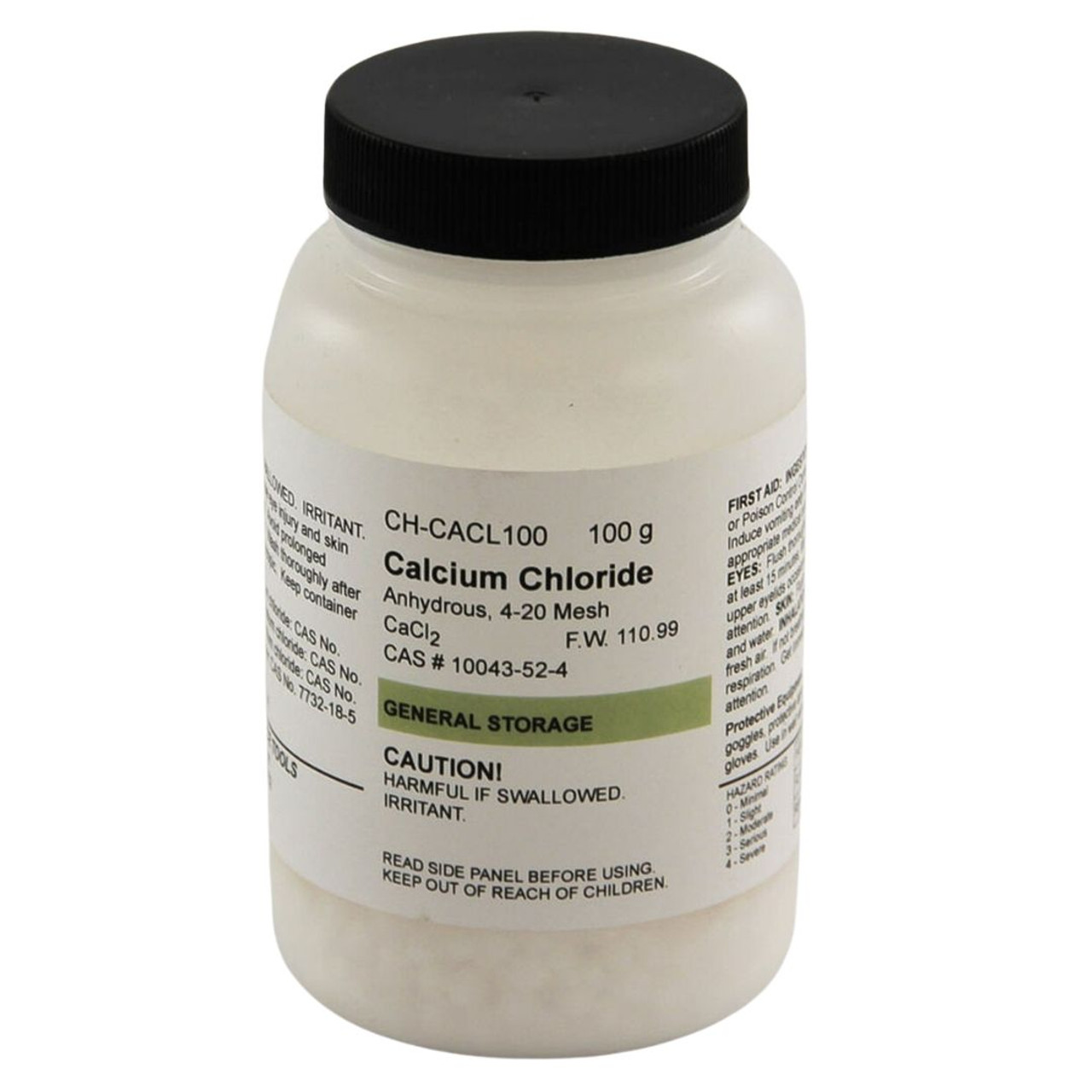
  • Irritation: Direct contact with skin and eyes can cause irritation. Proper protective gear, such as gloves and eye protection, should be worn when handling the substance.
  • Ingestion: Ingestion of large quantities of calcium chloride can cause gastrointestinal distress. It should be kept out of reach of children and pets.
  • Corrosion: Calcium chloride solutions can be corrosive to certain metals. Care should be taken to avoid contact with sensitive materials.

Conclusion:

Calcium chloride is a versatile chemical compound with a wide array of applications that touch almost every aspect of modern life. From keeping roads safe in winter to ensuring the quality of our food, its unique properties make it an indispensable tool in various industries. Understanding its applications and handling it responsibly allows us to leverage its benefits effectively. While often only associated with winter weather, calcium chloride is a hidden ingredient that contributes to our comfort, safety, and even the food we enjoy.

Reviews

There are no reviews yet.

Be the first to review “Calcium chloride”

Your email address will not be published. Required fields are marked *

Add to cart