

Description
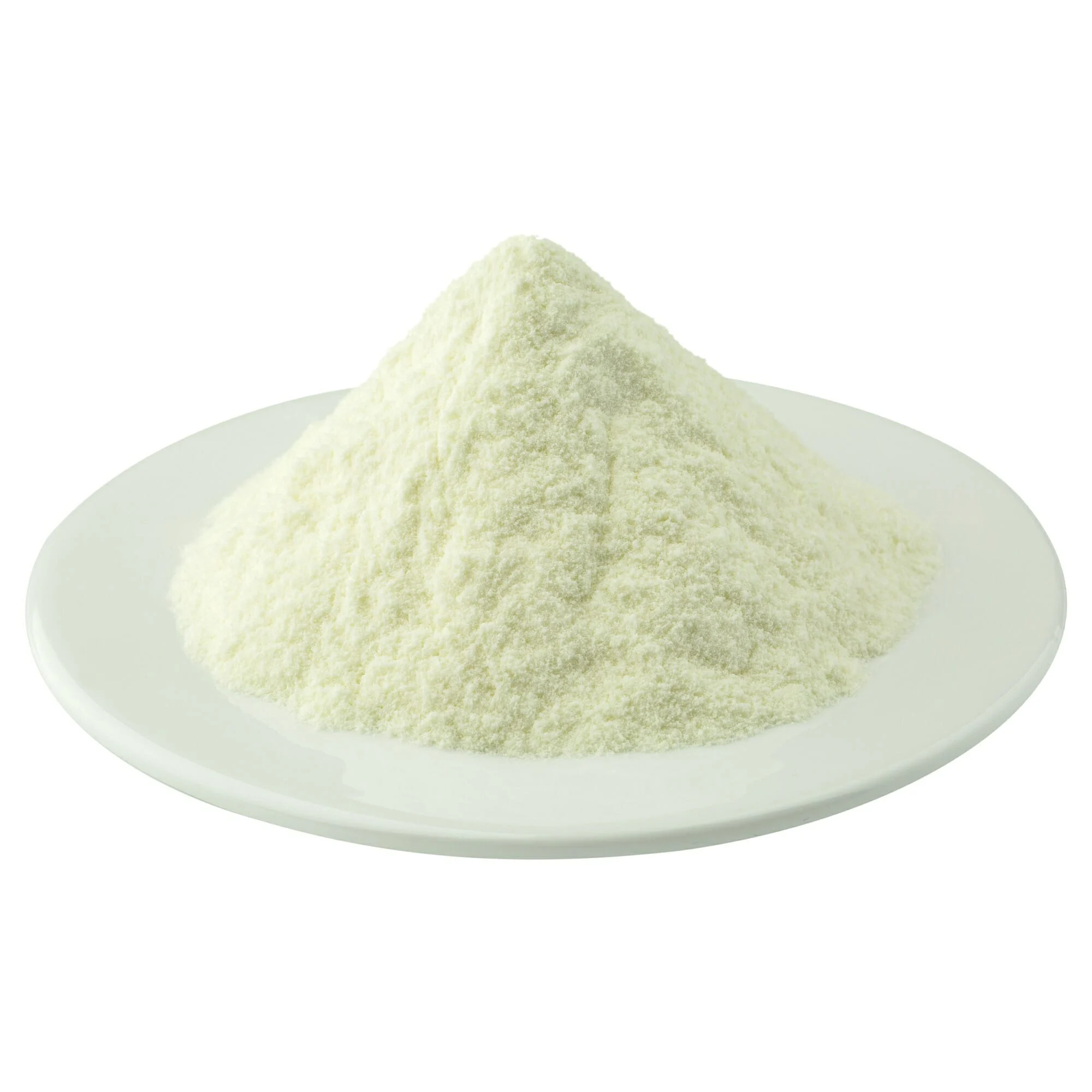
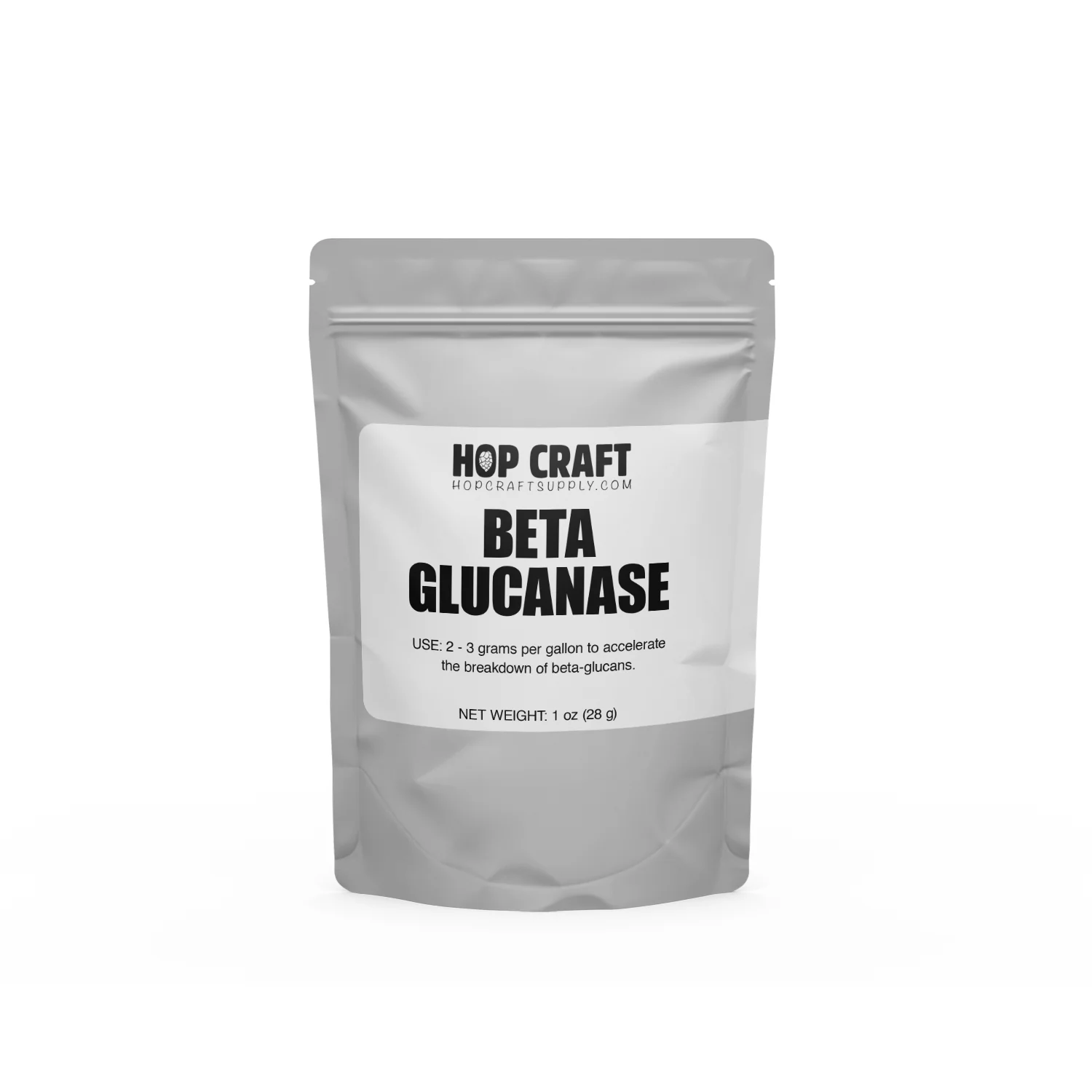
Beta-Glucanase: The Unsung Hero in Food, Feed, and Beyond
Beta-glucanase, an enzyme you might not have heard of, is a fascinating and highly versatile catalyst playing a critical role in various industries, from food processing to animal feed and even biofuel production. But what exactly is it, and why is it so important?
What is Beta-Glucanase?
At its core, beta-glucanase is a type of glycoside hydrolase. This fancy term simply means it’s an enzyme that breaks down complex carbohydrates known as beta-glucans. Beta-glucans are polysaccharides composed of glucose molecules linked together by beta-glycosidic bonds. These bonds are what distinguish beta-glucans from other glucose-based carbohydrates like starch.
Beta-glucans are commonly found in the cell walls of plants, particularly in cereals like barley, oats, rye, and wheat, as well as in fungi and bacteria. Consequently, beta-glucanase is essential for degrading these materials. Different types of beta-glucanases exist, each with specificity for different types of beta-glucan structures, ensuring efficient breakdown of diverse sources.
Why is Beta-Glucanase Important?
The importance of beta-glucanase stems from its ability to modify the properties of materials containing beta-glucans. Here’s a breakdown of its key applications:
- Improving Animal Feed: Beta-glucans in animal feed, particularly from cereal grains, can increase the viscosity of gut contents. This can hinder nutrient absorption, leading to reduced growth performance in livestock, especially poultry and pigs. Supplementing feed with beta-glucanase breaks down these beta-glucans, reducing viscosity, improving nutrient digestibility, and ultimately leading to healthier and more productive animals.
- Enhancing Brewing and Distilling: In the brewing industry, beta-glucans can contribute to haze and filtration problems, particularly in barley-based beers. Beta-glucanase is used during the malting and mashing processes to break down these beta-glucans, resulting in clearer, more stable beers with improved filtration rates. Similarly, in distilling, beta-glucanase can improve the yield and quality of spirits.
- Boosting Food Processing: Beta-glucanase finds applications in various other food processing areas. It can be used to improve the texture and baking properties of bread, increase the extractability of oils from seeds, and enhance the nutritional value of certain foods.
- Potential in Biofuel Production: The breakdown of plant cell walls is a crucial step in the production of biofuels from lignocellulosic biomass. Beta-glucanase, along with other enzymes that degrade plant cell wall components, plays a vital role in converting this biomass into fermentable sugars, the building blocks for biofuels like ethanol.
- Emerging Applications in Therapeutics: Research suggests that beta-glucans themselves possess beneficial health properties, including immune-modulating and anti-cancer effects. While the direct use of beta-glucanase in therapeutics is less common, understanding its role in breaking down beta-glucans can contribute to developing novel strategies for delivering and utilizing these beneficial polysaccharides.
Sources of Beta-Glucanase:
Beta-glucanase is primarily produced by various microorganisms, including bacteria, fungi, and yeasts. Commercial enzyme preparations are often derived from fungi like Aspergillus and Trichoderma, offering cost-effective and efficient production through fermentation processes.
The Future of Beta-Glucanase:
As research continues, we can expect to see even more innovative applications of beta-glucanase. Developments in enzyme engineering are leading to more efficient and specialized enzymes tailored for specific applications. Further exploration of its potential in biofuel production and therapeutic applications holds significant promise for a more sustainable and healthier future.
In conclusion, beta-glucanase, though often overlooked, is a powerful enzyme with a wide range of applications that contribute significantly to various industries. From improving animal feed to enhancing the quality of our beverages and potentially contributing to biofuel production and human health, beta-glucanase is undoubtedly a crucial player in a more efficient and sustainable future.



Reviews
There are no reviews yet.