

Description
Arsine (AsH3) and phosphorus trifluoride (PF3) are gases used in semiconductor manufacturing, often in very high-purity forms described as “semiconductor grade.” They serve as donor sources in doping processes and as reagents in epitaxial and related processes. Both gases are highly toxic and require specialized handling, monitoring, and facilities.
Chemical profiles
Arsine — AsH3
- Formula: AsH3
- State at room temperature: Gas
- Common semiconductor role: Primary n-type dopant in silicon, germanium, and some III-V materials; used in diffusion, CVD, and other deposition/doping steps.
- Semiconductor-grade characteristics: Extremely high purity with very low levels of metallic and halogen impurities; supplied in cylinders with strict quality certificates and low moisture content.
- Hazards: Highly toxic and acutely hazardous; inhalation can be rapidly fatal. Detection must rely on gas monitoring rather than smell. Requires robust gas handling, leak detection, and proper ventilation.
Phosphorus trifluoride — PF3
- Formula: PF3
- State at room temperature: Gas
- Common semiconductor role: Phosphorus-containing dopant alternatives or precursors in certain epitaxial or deposition processes; used where a phosphorus source is required for n-type doping or phosphorus-bearing chemistries.
- Semiconductor-grade characteristics: Very high purity with controlled impurity profiles suitable for sensitive deposition processes.
- Hazards: Toxic and corrosive, particularly on hydrolysis or when released in air; requires proper containment, leak detection, and corrosion-resistant equipment.
Semiconductor grade considerations
- Purity and contaminants: Semiconductor grade gases are specified for extremely low levels of impurities such as metals, water (H2O), oxygen (O2), and hydrocarbons. Purity levels often reach 99.999% (5N) or higher, with trace impurities measured in ppb or ppt ranges depending on the gas and supplier.
- Moisture and oxygen control: Very strict limits on moisture and oxygen are typical because these contaminants can affect surface reactions, wafer quality, and device performance.
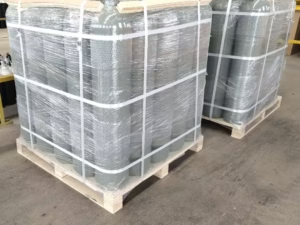
- Packaging and compatibility: Supplied in gas cylinders with secure fittings. Materials in contact with the gas are chosen to minimize contamination and corrosion.
- Quality documentation: Each lot usually comes with a certificate of analysis (COA) and an MSDS that outlines hazards, handling, and emergency measures.
Applications in semiconductor manufacturing
- Doping: Both gases can be used as donors to introduce n-type carriers in silicon and other semiconductors, depending on process chemistry and equipment.
- Epitaxy and deposition: In some chemical vapor deposition or molecular beam epitaxy workflows, phosphorus- or arsenic-bearing precursors help tailor dopant profiles or compensate other dopants.
Note: Specific process recipes, flow rates, and equipment settings are highly process- and fab-specific and are typically covered by internal engineering guidelines and supplier technical support.
Safety and handling
- Engineering controls: Use in well-ventilated fume hoods or dedicated gas cabinets with proper venting, scrubbers, and gas scrub systems. Continuous gas monitoring is essential.
- Personal protective equipment (PPE): Rigid adherence to PPE guidelines for toxic gas handling, including appropriate respiratory protection as required by your site safety plan, chemical goggles, gloves, and protective clothing.
- Emergency planning: Have gas detectors, clearly marked emergency shutoff valves, and trained personnel to respond to leaks or exposures. Evacuation and medical response procedures should be in place.
- Operational practices: Follow vendor-supplied handling procedures, avoid mixing with incompatible gases, and ensure purging and leak testing are performed according to protocol.
Storage and transportation
- Storage: Cylinders stored upright in a secure, ventilated area away from heat sources, oxidizers, and moisture. Use proper labeling and segregation to minimize cross-contamination and reaction risk.
- Cylinder handling: Use appropriate cylinder trolleys or carts, valve protection caps, and pressure relief devices. Ensure compatible regulators and fittings are used.
- Transportation: Move via approved gas-handling services and follow relevant regulations for hazardous materials.
Regulatory and environmental considerations
- Regulations: Handling and release of toxic gases like AsH3 and PF3 are subject to occupational safety, environmental, and transport regulations. Compliance with local, national, and industry standards is essential.
- Disposal and decommissioning: Wastes and contaminated materials must be managed through approved hazardous waste streams, following approved procedures and permits.
Key takeaways
- Arsine (AsH3) and phosphorus trifluoride (PF3) are high-purity gases used in semiconductor processes, primarily for doping and related chemistries.
- Both gases are extremely toxic and require rigorous safety, detection, and containment measures.
- Semiconductor grade implies very stringent purity and contamination controls, with detailed documentation from suppliers.
- If you need specific safety data sheets, purity specifications, or supplier recommendations, I can help you locate appropriate resources or help you draft a checklist for your facility.

Reviews
There are no reviews yet.