

Description
The Unsung Heroes of Semiconductors: Arsine and Phosphorus Trifluoride
In the intricate world of semiconductor manufacturing, precision and purity are paramount. While silicon often steals the spotlight, a host of specialized gases play crucial roles in shaping the electronic devices that power our modern world. Among these are arsine (AsH3) and phosphorus trifluoride (PF3), both vital components in creating the semiconductor devices we rely on every day.
While perhaps not household names, arsine and phosphorus trifluoride are essential dopants, allowing engineers to precisely manipulate the electrical conductivity of silicon and other semiconductor materials. This manipulation is the foundation upon which transistors, the building blocks of modern electronics, are built.
The Role of Doping in Semiconductor Manufacturing
Semiconductors, like silicon, are unique because their electrical conductivity can be controlled and adjusted. Pure silicon is a relatively poor conductor. However, by introducing small amounts of impurities, a process called doping, its conductivity can be dramatically increased. These impurities, known as dopants, are carefully selected based on their ability to either add extra electrons (n-type doping) or create “holes” that allow electrons to move more freely (p-type doping).
Arsine: An Arsenic Source for N-Type Doping
Arsine serves as a crucial source of arsenic for n-type doping. Arsenic atoms have one more valence electron than silicon. When incorporated into the silicon lattice, this extra electron becomes mobile, increasing the conductivity of the silicon. Arsine is particularly valuable for:
- Ion Implantation: Arsine gas is ionized and accelerated towards the silicon wafer, implanting arsenic ions at a controlled depth. This technique offers precise control over the doping profile.
- Chemical Vapor Deposition (CVD): Arsine is used as a precursor gas in CVD processes to deposit thin films of arsenic-doped silicon. This method allows for the creation of layered structures with varying conductivity.
- Diffusion: Arsine can be used to create a concentration of arsenic atoms on the surface of the wafer, followed by a high-temperature annealing step to diffuse the arsenic atoms into the bulk silicon.
The use of high-purity, semiconductor-grade arsine is critical to ensure the performance and reliability of the final semiconductor device. Impurities in the arsine can negatively impact the electrical properties of the doped silicon.
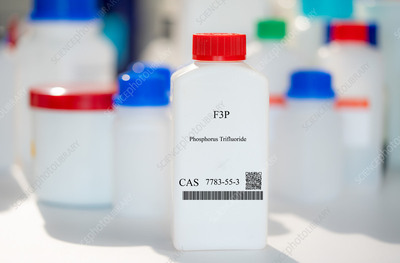
Phosphorus Trifluoride: A Phosphorus Source for N-Type Doping
Similar to arsine, phosphorus trifluoride is an important source of phosphorus for n-type doping. Phosphorus also has one more valence electron than silicon, making it an effective n-type dopant. While other phosphorus-containing gases exist, phosphorus trifluoride offers certain advantages, including:
- High Vapor Pressure: Its high vapor pressure makes it easier to handle and deliver precisely within semiconductor manufacturing processes.
- Controlled Decomposition: The decomposition of phosphorus trifluoride can be carefully controlled during CVD and diffusion processes, ensuring uniform and predictable doping profiles.
- Versatile Applications: PF3 is utilized in various doping techniques, including ion implantation, diffusion, and CVD, making it a versatile option for semiconductor manufacturers.
Like arsine, the purity of phosphorus trifluoride is paramount. Semiconductor-grade PF3 undergoes rigorous quality control to eliminate impurities that can compromise the performance of the resulting semiconductor devices.
Safety Considerations
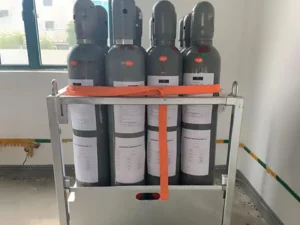
It’s crucial to acknowledge that both arsine and phosphorus trifluoride are toxic and require careful handling and stringent safety measures. These gases are typically contained within closed systems and handled by trained professionals who understand the associated risks and follow strict safety protocols. Semiconductor manufacturers prioritize safety and implement comprehensive systems to prevent accidental releases and protect workers.
Conclusion
Arsine and phosphorus trifluoride, though often unseen and unheard of, are critical components in the fabrication of semiconductors. These gases enable the precise doping of silicon, allowing for the creation of transistors and other essential building blocks of modern electronics. Their high purity, controlled behavior, and versatile applications make them indispensable tools in the semiconductor industry. As semiconductor technology continues to advance, the demand for these specialty gases will likely remain strong, solidifying their position as unsung heroes of the digital revolution.



Reviews
There are no reviews yet.