

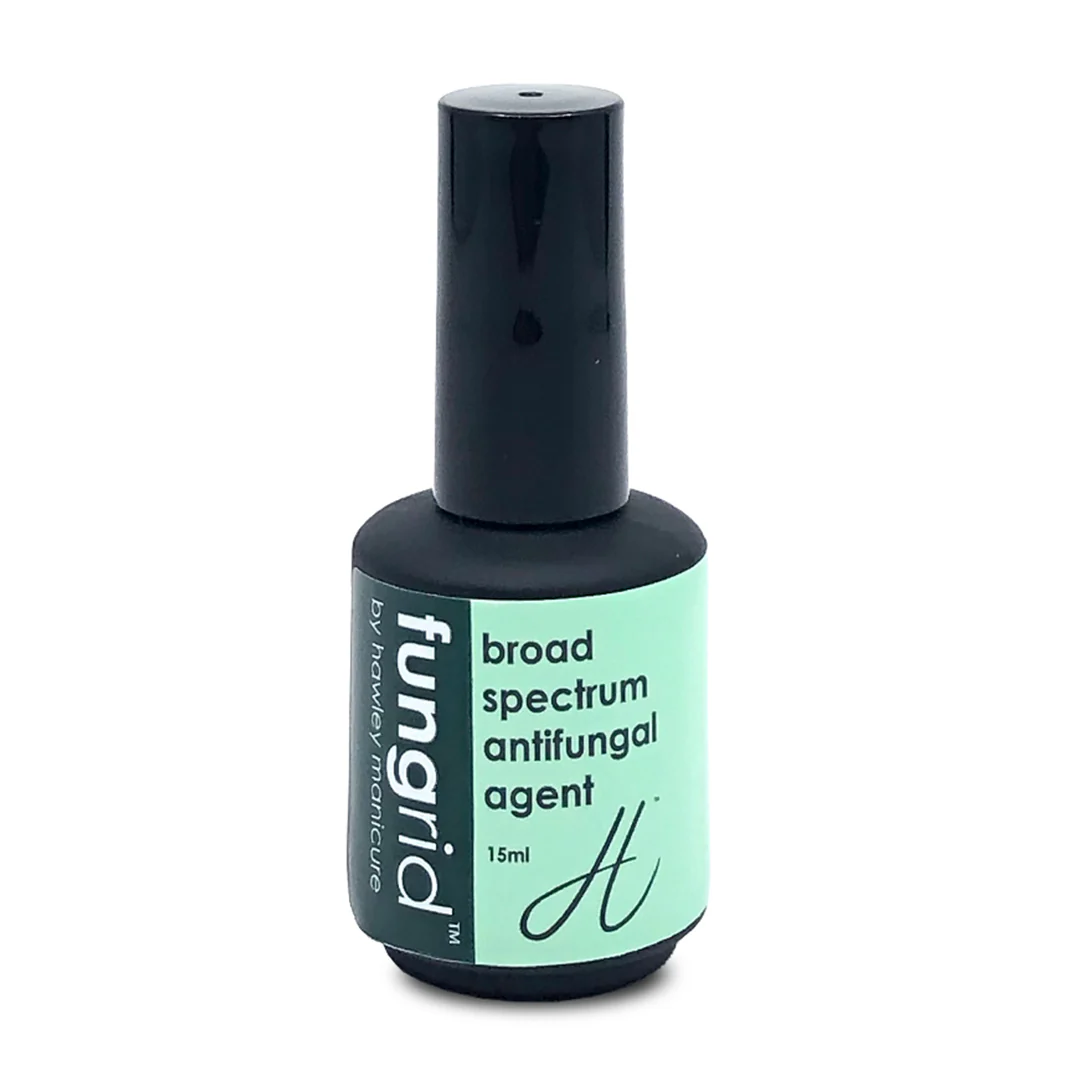
Description
Conquering Fungal Infections: A Look at Antifungal Agents
Fungal infections, also known as mycoses, are a common health concern, ranging from superficial skin conditions like athlete’s foot and ringworm to life-threatening systemic infections that affect the lungs, brain, or bloodstream. Fortunately, a diverse arsenal of antifungal agents is available to combat these invaders and restore health. This article will explore the world of antifungals, examining their mechanisms of action, classifications, and the challenges of battling these resilient microorganisms.
Understanding the Fungal Foe
Fungi are eukaryotic organisms distinct from bacteria and viruses. Their complex cell structure and unique metabolic pathways offer various targets for antifungal drugs. Unlike bacteria, which are treated with antibiotics, fungal infections require specifically designed antifungals.
How Antifungals Work: Disrupting Fungal Life
Antifungal agents work by targeting specific processes vital for fungal survival and growth. These mechanisms can be broadly categorized as follows:
- Disrupting Cell Membrane Integrity: Many antifungals target ergosterol, a crucial component of the fungal cell membrane, analogous to cholesterol in human cells. By interfering with ergosterol synthesis or binding to ergosterol directly, these drugs disrupt the cell membrane, leading to leakage of cellular contents and ultimately, cell death. Examples include:
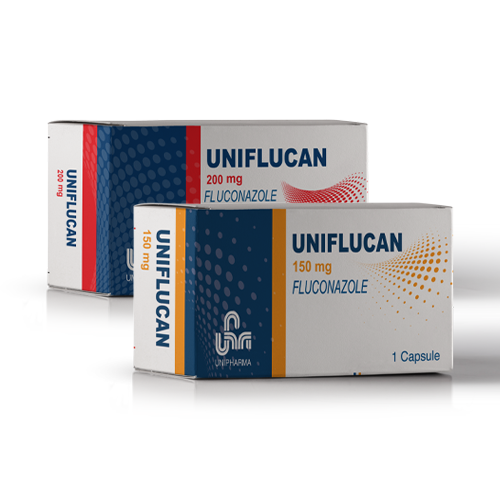
- Azoles: These drugs, such as fluconazole, itraconazole, and voriconazole, inhibit the synthesis of ergosterol.
- Polyenes: Amphotericin B and nystatin bind directly to ergosterol, forming pores in the fungal cell membrane.
- Inhibiting Cell Wall Synthesis: The fungal cell wall, composed primarily of chitin, provides structural support. Echinocandins, like caspofungin and micafungin, inhibit the synthesis of beta-glucan, a key component of the cell wall, weakening it and leading to fungal cell lysis.
- Interfering with Nucleic Acid Synthesis: Flucytosine, another antifungal, is converted within fungal cells to a compound that inhibits DNA and RNA synthesis, disrupting fungal replication.
- Disrupting Other Cellular Processes: Griseofulvin, used for treating skin and nail infections, inhibits fungal cell division by interfering with microtubule function.
Classifying Antifungal Agents: A Diverse Toolkit
Antifungals are classified based on their chemical structure and mechanism of action. This classification helps clinicians select the most appropriate drug for a specific infection. Some major classes include:
- Azoles: A widely used group including fluconazole, itraconazole, voriconazole, and posaconazole, available in oral and topical formulations for a variety of fungal infections.
- Polyenes: Primarily used for severe systemic infections, amphotericin B is known for its potent antifungal activity but can have significant side effects. Nystatin is mainly used topically for oral and vaginal candidiasis.
- Echinocandins: Generally reserved for treating invasive fungal infections, particularly those caused by Candida and Aspergillus species. They are typically administered intravenously.
- Allylamines: Terbinafine, a commonly used topical antifungal for dermatophyte infections like athlete’s foot and onychomycosis (nail fungus).
- Other Antifungals: This category includes drugs like flucytosine and griseofulvin, used for specific types of fungal infections.
Challenges in Antifungal Therapy: Resistance and Toxicity
Despite the availability of various antifungal agents, several challenges remain in successfully treating fungal infections:
- Antifungal Resistance: Like bacteria, fungi can develop resistance to antifungal drugs through various mechanisms, including mutations in target enzymes, increased efflux of the drug from the cell, and changes in cell wall composition. This resistance can render certain drugs ineffective and complicate treatment.
- Toxicity: Many antifungal agents, particularly those used for systemic infections, can have significant side effects. Amphotericin B is notorious for its nephrotoxicity (kidney damage), while azoles can interact with other medications and cause liver problems.
- Limited Drug Development: Developing new antifungals is a complex and expensive process. The slow growth of fungi and the fact that they are eukaryotes (sharing similarities with human cells) makes it challenging to find drug targets that are both effective and safe.
The Future of Antifungal Therapy
Researchers are actively working to develop new and improved antifungal agents to address the challenges of resistance and toxicity. This includes:
- Development of Novel Targets: Exploring new fungal-specific targets, such as enzymes involved in essential metabolic pathways, to develop drugs with fewer side effects.
- Combination Therapy: Using multiple antifungals in combination to overcome resistance and improve treatment outcomes.
- Immunotherapy: Enhancing the body’s own immune response to fight fungal infections.
- Diagnostic Advances: Developing faster and more accurate diagnostic tests to identify fungal infections and guide treatment decisions.
Conclusion
Antifungal agents play a crucial role in combating a wide range of fungal infections, from common skin conditions to life-threatening systemic diseases. Understanding the mechanisms of action and classifications of these drugs is vital for effective treatment. While challenges remain, ongoing research and development efforts are paving the way for new and improved antifungal therapies to conquer these resilient fungal foes. As the prevalence of fungal infections rises with the use of immunosuppressive therapies and increasing globalization, the development and responsible use of antifungals are more critical than ever.


Reviews
There are no reviews yet.