
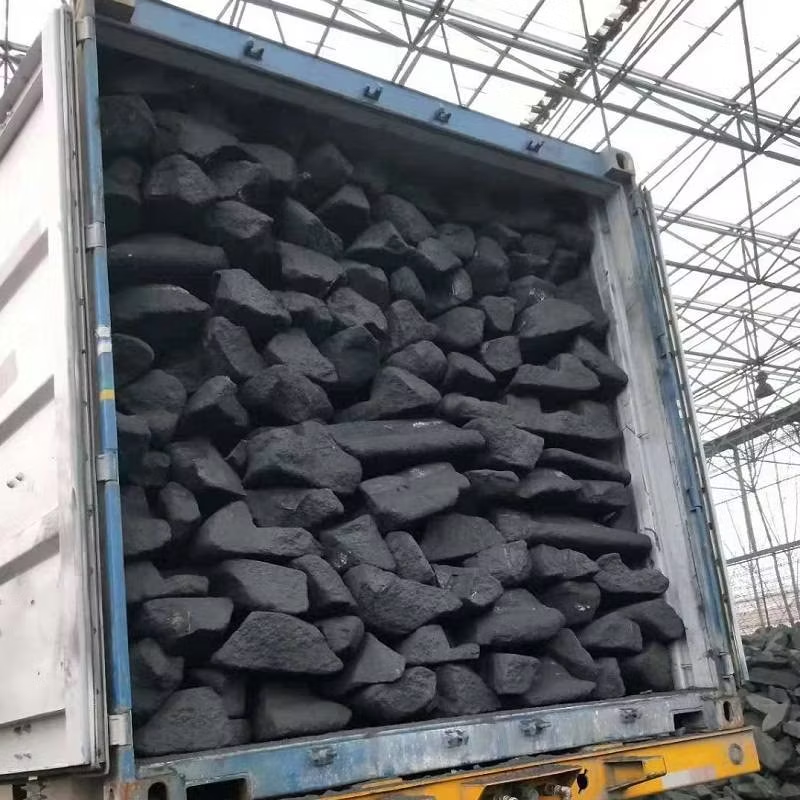
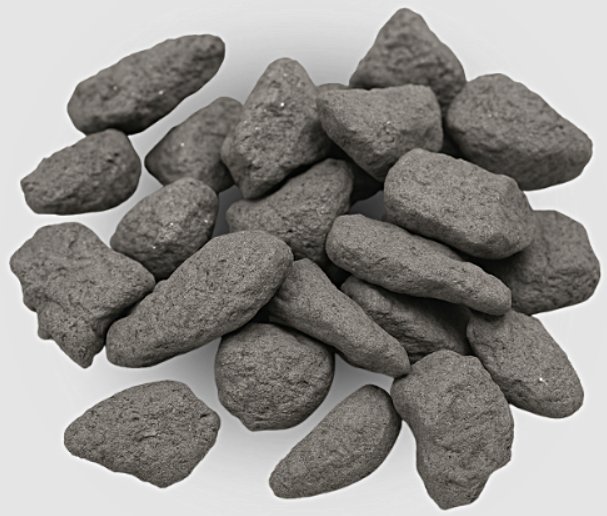
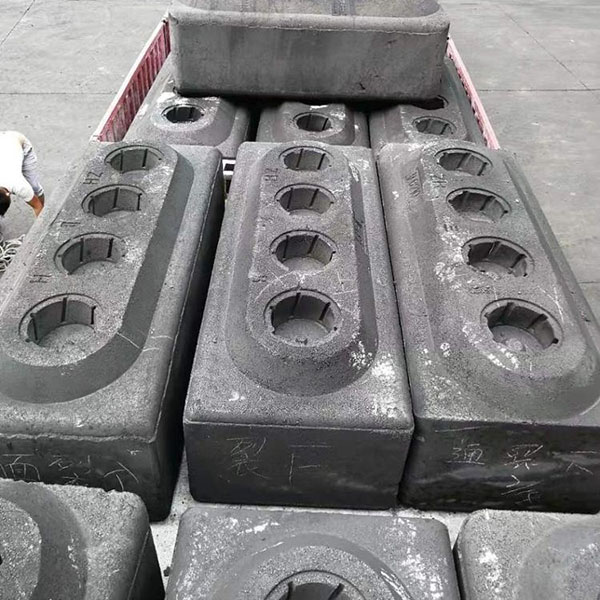
Description
1. Product Overview
Anode Carbon Residue is a carbon-rich industrial by-product generated from the processing and recycling of carbon anodes used in high-temperature metallurgical operations. Characterized by its high fixed carbon content and residual energy value, it serves as a cost-effective raw material for metallurgical, energy, and carbon-processing industries. Industrial buyers leverage this material as a substitute or supplement to conventional carbon feedstocks in smelting, fuel blending, and carbon recovery operations. Its strategic importance lies in enabling circular resource utilization, reducing raw material costs, and supporting more sustainable industrial production cycles.
2. Key Specifications & Technical Characteristics
- Material Composition: Predominantly fixed carbon with trace mineral ash and residual metallic elements from anode processing
- Typical Carbon Content: 70–90% fixed carbon (varies by source and processing method)
- Ash Content: Typically 5–20%
- Volatile Matter: Low to moderate depending on origin
- Form: Granular particles, crushed fragments, or coarse powder
- Color: Black to dark grey
- Particle Size: Customizable (commonly 0–10 mm or 10–50 mm fractions)
- Bulk Density: Approx. 0.8–1.2 g/cm³
- Moisture Content: Typically <5%
- Packaging Options:
- Bulk loose loading
- 1 MT jumbo bags (FIBC)
- Bulk container loading
- Shelf Life: Stable under dry storage conditions; no defined expiration
3. Core Industrial Applications
Metallurgical Industry
- Used as a supplementary carbon source in steelmaking and non-ferrous metal smelting processes.
- Provides a cost-effective reductant in high-temperature metallurgical reactions.
Energy & Fuel Blending
- Utilized as an industrial fuel additive in kilns, furnaces, and energy-intensive manufacturing processes due to its residual calorific value.
- Suitable for blending with coke fines, coal, or other carbon fuels.
Carbon Recycling & Reprocessing
- Processed by carbon and graphite recovery facilities to produce secondary carbon materials for industrial use.
Industrial Mineral Processing
- Used in certain reduction and filtration processes requiring carbonaceous material.
Performance Advantages
- High carbon content enables efficient combustion and reduction reactions.
- Lower cost compared with primary carbon feedstocks such as petroleum coke.
- Supports circular material recovery, reducing industrial waste disposal costs.
4. Competitive Advantages
- Quality Consistency: Controlled sourcing and grading ensure stable carbon content and predictable performance in industrial applications.
- Supply Reliability: Steady availability from industrial recovery streams enables dependable long-term procurement.
- Logistics Capability: Flexible bulk shipping options suitable for international industrial buyers.
- Price Competitiveness: Significantly lower cost compared with virgin carbon materials while maintaining functional performance.
- Sustainability Benefits: Supports industrial recycling initiatives and reduces landfill waste from spent carbon materials.
- Technical Documentation: Material specifications and quality data available to support procurement and operational evaluation.
5. Commercial & Supply Information
- Minimum Order Quantity (MOQ): BULK 20 MT
- Loading Capacity: 20–25 MT per 20-ft container depending on packaging and density


Reviews
There are no reviews yet.