
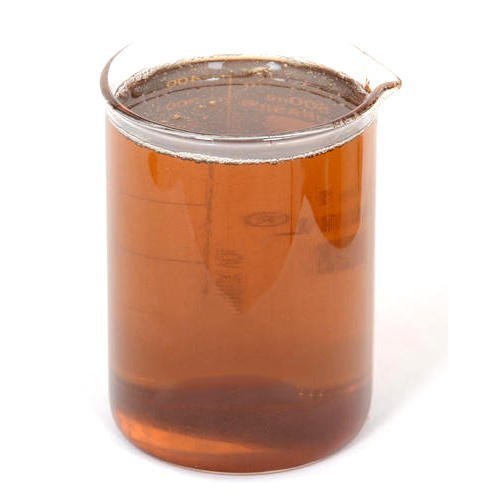
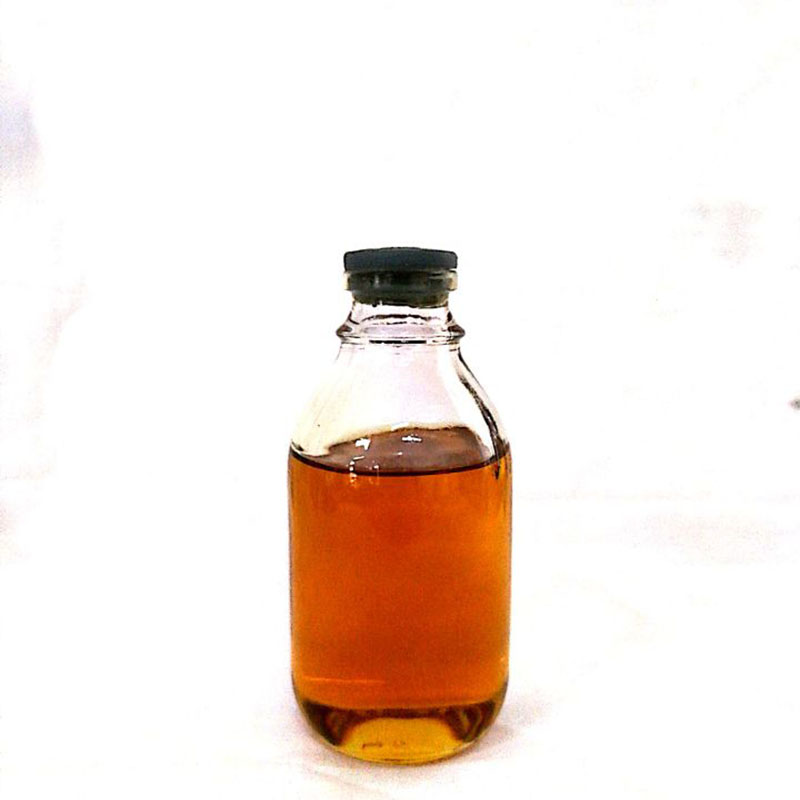
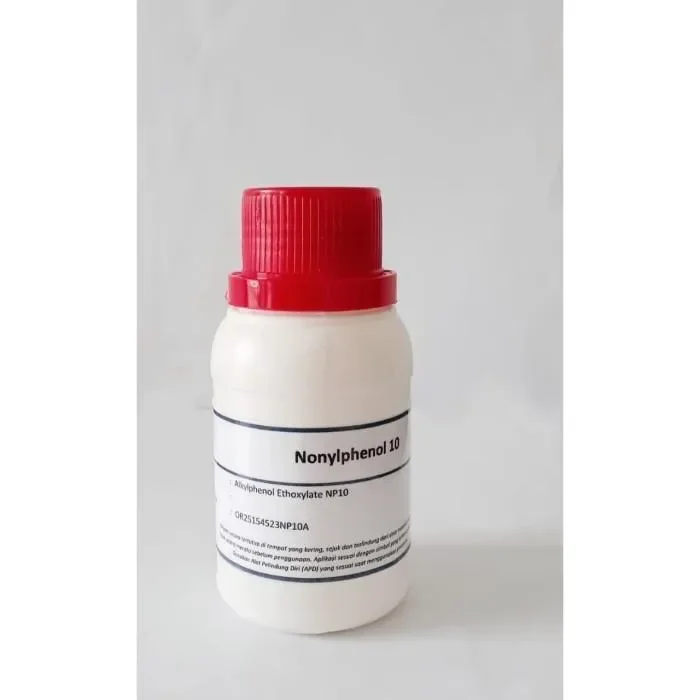
Description
The Unseen Ingredient: Why You Should Care About Alkylphenol Ethoxylates (APEs)
Imagine a hidden chemical, working silently in countless products you use every day, with a complex name that few people even recognize. This chemical helps your laundry detergent clean, your paint spread smoothly, and your industrial cleaners cut through grease. But behind its helpful facade lies a concerning truth about its impact on our health and the environment.
We’re talking about Alkylphenol Ethoxylates, or APEs. If you haven’t heard of them, you’re not alone. But it’s time to bring these pervasive compounds into the spotlight.
What Exactly Are APEs?
At their core, Alkylphenol Ethoxylates are a type of surfactant. This means they’re molecules that reduce the surface tension of liquids, allowing them to mix more easily. Think of them as the unsung heroes that help water penetrate fabrics, oil mix with water, and dirt lift away.
Their effectiveness and low cost made them incredibly popular, leading to widespread use in:
- Household cleaning products: laundry detergents, dish soaps, all-purpose cleaners.
- Industrial cleaners: for everything from machinery to vehicle washing.
- Paints and coatings: as emulsifiers and wetting agents.
- Textile processing: for dyeing and finishing fabrics.
- Pesticides: as “inert” ingredients to help active compounds spread.
- Personal care products: though less common now, they were historically found in some cosmetics.
The Dark Side: Why APEs Are a Problem
Despite their utility, APEs have a significant downside that has led to strict regulations and bans in many parts of the world, particularly the European Union and Canada.
- Environmental Havoc: Endocrine Disruption in Our Waters When APEs are washed down the drain, they enter wastewater treatment plants. The problem? They don’t always fully break down. Instead, they can metabolize into even more concerning compounds called Alkylphenols (APs), primarily Nonylphenol (NP) and Octylphenol (OP).
- These APs are incredibly persistent in the environment and are powerful endocrine disruptors. This means they can mimic or interfere with the body’s natural hormones, even at very low concentrations. For aquatic life, this has devastating consequences:
- Fish feminization: Male fish exposed to APs have been observed developing female characteristics or reduced fertility.
- Reproductive issues: Leading to population declines in various species.
- Bioaccumulation: APs can build up in the tissues of organisms, moving up the food chain from plankton to fish to marine mammals.
- Human Health Concerns: A Hormone Mimic in Our Midst? While the evidence is stronger for aquatic life, concerns have been raised about the potential impact of APs on human health:
- Hormone disruption: As endocrine disruptors, APs could potentially affect human reproductive health, development, and even increase the risk of certain cancers, though direct links require more research.
- Exposure pathways: Humans can be exposed through contaminated drinking water, food (especially seafood from contaminated waters), and even residues on textiles.
Where Are APEs Hiding?
The good news is that many reputable brands, particularly in North America and Europe, have voluntarily phased out APEs from their consumer products due to regulatory pressure and consumer demand. However, APEs can still be found:
- Imported products: Especially those manufactured in regions with less stringent environmental regulations.
- Industrial and institutional products: APEs might still be present in some commercial cleaners, paints, and agricultural products.
- Older products: Always check the labels if you have older household chemicals.
- “Inert” ingredients in pesticides: These don’t always need to be fully disclosed.
What Can You Do? Empower Yourself!
While the overall trend is moving away from APEs, conscious consumer choices remain vital:
- Read Labels (When Possible): While APEs might not always be explicitly listed by their full chemical name, look for brands that are transparent about their ingredients.
- Look for Certifications: Organizations like EPA’s “Safer Choice” program (in the U.S.) or the EU Ecolabel certify products that meet strict human health and environmental standards, often specifically excluding APEs and their breakdown products.
- Choose “Green” & Eco-Friendly Brands: Many companies now proudly advertise their products as free from APEs, phthalates, parabens, and other chemicals of concern.
- Support Companies with Ingredient Transparency: Advocate for and buy from brands that list all their ingredients clearly on their packaging or websites.
- Be Wary of Imported Goods: When purchasing products from outside regions with strong environmental regulations, consider the potential for APEs.
The story of Alkylphenol Ethoxylates is a powerful reminder that the ingredients in our everyday products have far-reaching consequences. By understanding the chemicals around us and making informed choices, we can contribute to a healthier environment and a safer future for ourselves and for generations to come.
Have you encountered APEs on an ingredient list? What steps do you take to choose safer products for your home? Share your thoughts in the comments below!


Reviews
There are no reviews yet.