
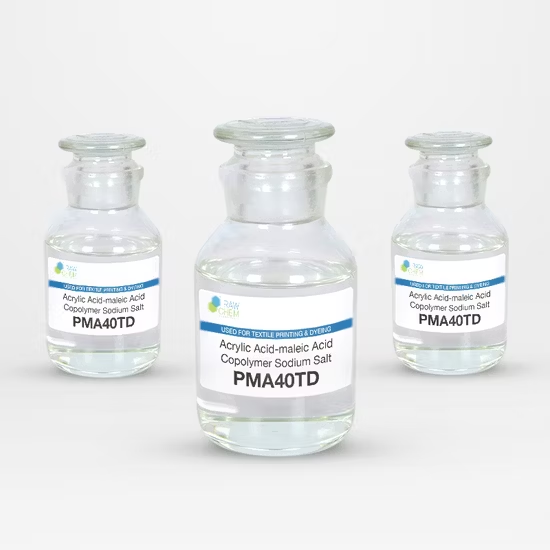
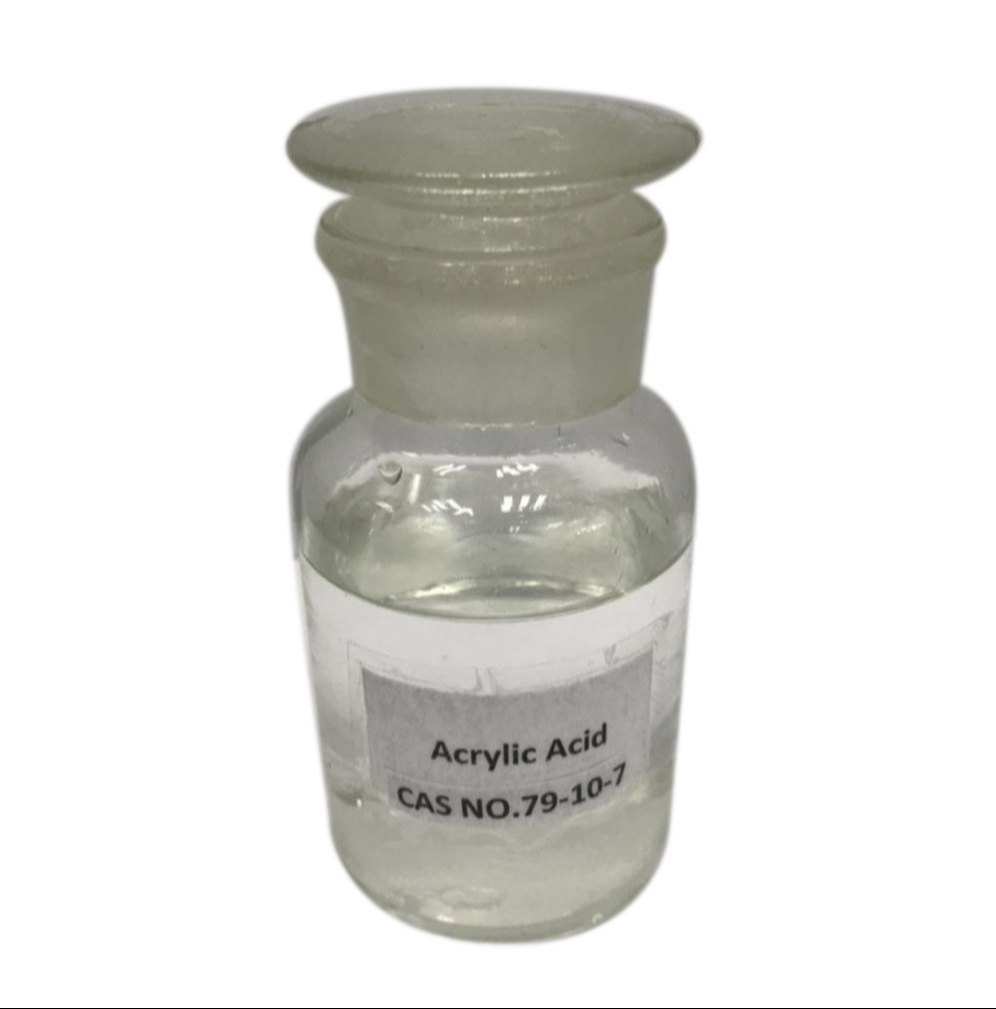
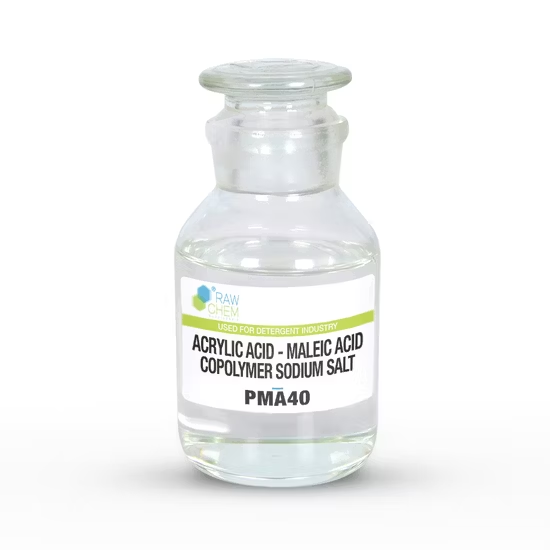
Acrylic Acid Derivatives

£1,400.00

Title: The Significance of Acrylic Acid Derivatives in Modern Industry Acrylic acid derivatives are a class of compounds that have gained immense importance in various industrial applications due to their unique properties and versatility. Derived from acrylic acid, a colorless liquid with a characteristic pungent smell, these compounds have become an essential component in the production of a wide range of products, from adhesives and coatings to textiles and personal care items. This essay will delve into the significance of acrylic acid derivatives in modern industry, exploring their properties, applications, and benefits. One of the primary reasons for the widespread use of acrylic acid derivatives is their excellent adhesion properties. These compounds can form strong bonds with various surfaces, making them ideal for use in adhesives, sealants, and coatings. For instance, acrylic acid esters, such as butyl acrylate and 2-ethylhexyl acrylate, are commonly used in the production of pressure-sensitive adhesives, which are employed in applications like sticky notes, tapes, and labels. Additionally, acrylic acid derivatives are used as thickeners and rheology modifiers in coatings, paints, and inks, enhancing their flowability and stability. Another significant application of acrylic acid derivatives is in the textile industry. Acrylic fibers, produced through the polymerization of acrylic acid, are known for their softness, warmth, and lightweight properties, making them an ideal substitute for wool and other natural fibers. These fibers are used in a variety of clothing items, such as hats, scarves, and blankets, as well as in upholstery and carpets. Furthermore, acrylic acid derivatives are used as finishing agents in the textile industry, providing wrinkle resistance, water repellency, and UV protection to fabrics. In the personal care industry, acrylic acid derivatives are used in a range of products, including cosmetics, skin care items, and hair care products. For example, hydroxyethyl acrylate, a derivative of acrylic acid, is employed in the production of skin care creams and lotions, where it helps to improve skin hydration and elasticity. Similarly, polyacrylates, another class of acrylic acid derivatives, are used in hair care products, such as shampoos and conditioners, to enhance their foaming properties and improve hair texture. The benefits of acrylic acid derivatives extend beyond their industrial applications. These compounds have also been found to possess biodegradable properties, making them an attractive alternative to traditional petrochemical-based materials. Additionally, acrylic acid derivatives have been shown to exhibit antimicrobial properties, which can help to reduce the growth of microorganisms in various applications, including medical devices and wound dressings. Despite their numerous benefits, the production of acrylic acid derivatives has some environmental concerns. The synthesis of these compounds involves the use of toxic chemicals, such as sulfuric acid and hydroquinone, which can pose a risk to human health and the environment if not handled properly. Furthermore, the disposal of acrylic acid derivatives can lead to environmental pollution if not done in an environmentally responsible manner. In conclusion, acrylic acid derivatives have become an indispensable component in various industrial applications, including adhesives, coatings, textiles, and personal care products. Their unique properties, such as excellent adhesion, thickening, and rheology modification, make them an ideal choice for a wide range of applications. While their production and disposal pose some environmental concerns, the benefits of acrylic acid derivatives far outweigh the drawbacks. As the demand for sustainable and eco-friendly products continues to grow, the significance of acrylic acid derivatives in modern industry is likely to increase, driving innovation and growth in various sectors.

Description

Beyond Paint: The Versatile World of Acrylic Acid Derivatives

Acrylic acid, a seemingly simple organic compound with the formula CH₂=CHCOOH, is far more than just the precursor to acrylic paint. This unsaturated carboxylic acid serves as a crucial building block for a vast array of derivatives, impacting industries ranging from adhesives and textiles to superabsorbent polymers and specialized coatings. This article delves into the fascinating world of acrylic acid derivatives, exploring their unique properties and diverse applications.

The Chemistry of Versatility:

Acrylic acid’s reactivity stems from its two key functional groups: the vinyl group (CH₂=CH-) and the carboxylic acid group (-COOH). This dual functionality allows for various chemical modifications, resulting in a diverse family of derivatives with tailored properties.

  • Esterification: The most common reaction involves the formation of esters, such as methyl acrylate, ethyl acrylate, butyl acrylate, and 2-ethylhexyl acrylate. These esters are widely used as monomers in the production of polymers and copolymers, influencing their properties like flexibility, glass transition temperature (Tg), and adhesion.
  • Amidation: Acrylic acid can react with ammonia or amines to form amides, like acrylamide. Acrylamide itself is used extensively in the production of polyacrylamide, a water-soluble polymer used in flocculation, enhanced oil recovery, and papermaking.
  • Polymerization and Copolymerization: Acrylic acid and its derivatives readily undergo free-radical polymerization to form homopolymers or copolymers. These polymers exhibit a wide range of properties depending on the monomers used and the polymerization conditions, making them suitable for various applications.

Applications Across Industries:

The versality of acrylic acid derivatives translates into a wide spectrum of applications:

  • Adhesives and Sealants: Acrylic polymers are widely used in pressure-sensitive adhesives (PSAs), tapes, and sealants due to their excellent adhesion, flexibility, and clarity. The specific ester used determines the adhesive’s strength, tack, and peel resistance.
  • Coatings: Acrylic resins form the backbone of many paints and coatings, offering excellent weather resistance, durability, and color retention. They are used in architectural coatings, automotive coatings, and industrial coatings to protect and beautify surfaces.
  • Textiles: Acrylic fibers are used in clothing, carpets, and upholstery due to their warmth, softness, and resistance to sunlight and moths. Acrylic resins are also used as binders and finishing agents for textiles, improving their water resistance, wrinkle resistance, and dimensional stability.
  • Superabsorbent Polymers (SAPs): Crosslinked polyacrylic acid and its salts are the key components of SAPs, which can absorb hundreds of times their weight in water. These are used in diapers, feminine hygiene products, and agricultural applications to retain moisture.
  • Thickeners and Rheology Modifiers: Acrylic polymers can be used to thicken water-based formulations, such as paints, cosmetics, and detergents. They provide stable viscosity and control the flow properties of these products.
  • Specialty Chemicals: Acrylic acid derivatives play a crucial role in the synthesis of various specialty chemicals, including pharmaceuticals, agricultural chemicals, and electronic materials.

The Future of Acrylic Acid derivatives:

Research and development efforts in the field of acrylic acid derivatives are focused on:

  • Bio-based acrylic acid: Developing sustainable production routes for acrylic acid from renewable resources, such as lactic acid or glycerol, to reduce reliance on fossil fuels.
  • High-performance polymers: Creating novel acrylic polymers with enhanced properties, such as improved heat resistance, chemical resistance, and mechanical strength.
  • Smart materials: Developing acrylic polymers with stimuli-responsive properties, such as pH-sensitivity or temperature-sensitivity, for applications in drug delivery, sensors, and actuators.

In conclusion, acrylic acid derivatives are a versatile and essential class of chemicals that underpin a vast array of industries. Their unique properties and diverse applications make them indispensable in countless products we use every day. As research continues to push the boundaries of acrylic polymer chemistry, we can expect even more innovative applications of these remarkable materials in the future, further solidifying their role as a cornerstone of modern technology.
Additional information

Health concerns

Acrylates are strong irritants and allergens
In the 1970s, the Food and Drug Administration banned the use of methyl methacrylate (MMA) in artificial nails due to reports of severe dermatitis

Ingredients

The primary ingredient of acrylic acid derivatives is acrylic acid, which is derived from propylene, a petroleum byproduct. Other ingredients may include various additives and stabilizers to enhance the properties and performance of the compounds. It is essential to read product labels carefully and consult with a healthcare professional if you have any concerns about the ingredients used in acrylic acid derivative products.

Nutritional Information

Acrylic acid derivatives are not typically consumed in their pure form as they are primarily used in the manufacturing of various products. Therefore, specific nutritional information for these compounds may not be readily available. However, incorporating foods rich in fiber, probiotics, and prebiotics can help support the beneficial effects of acrylic acid derivatives on digestion and overall health.

Prescription Guidelines

When considering the use of acrylic acid derivatives for therapeutic purposes, it is important to consult a healthcare professional for guidance. The dosage and duration of treatment may vary depending on the individual's specific health needs and medical history. It is essential to follow the prescribed guidelines carefully to ensure optimum results and minimize the risk of any potential side effects.

The Benefits of Acrylic Acid Derivatives

Improved Digestion: One of the primary benefits of acrylic acid derivatives is their ability to improve digestion. These compounds can help promote the growth of beneficial bacteria in the gut, leading to better digestion and nutrient absorption.
Anti-inflammatory Properties: Acrylic acid derivatives have been found to possess anti-inflammatory properties, which can help reduce inflammation in the body and alleviate symptoms of various conditions, such as arthritis and irritable bowel syndrome.
Enhanced Immune Function: Studies have shown that acrylic acid derivatives can support a healthy immune system by promoting the production of immune cells and enhancing their activity.
Cardiovascular Health: Acrylic acid derivatives may also have a positive impact on cardiovascular health by helping to maintain healthy cholesterol levels and supporting overall heart function.

Uses

Plastics: Acrylates are used in the production of polymer plastics, including dental composite resins, artificial nails, and contact lenses
Coatings: Acrylates are used in surface coatings, paint formulations, and paper coatings
Adhesives: Acrylates are used in adhesives and sealants
Detergents: Acrylates are used in detergents
Textiles: Acrylates are used in textiles
Concrete: Acrylates are used as additives to improve the strength and lubricity of concrete
Ceramics: Acrylates are used as additives for ceramics
Anti-stain agents: Acrylates are used as anti-stain agents

Reviews

There are no reviews yet.

Be the first to review “Acrylic Acid Derivatives”

Your email address will not be published. Required fields are marked *

Add to cart