
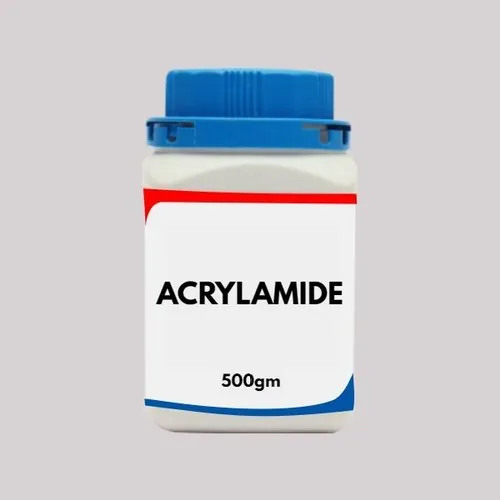
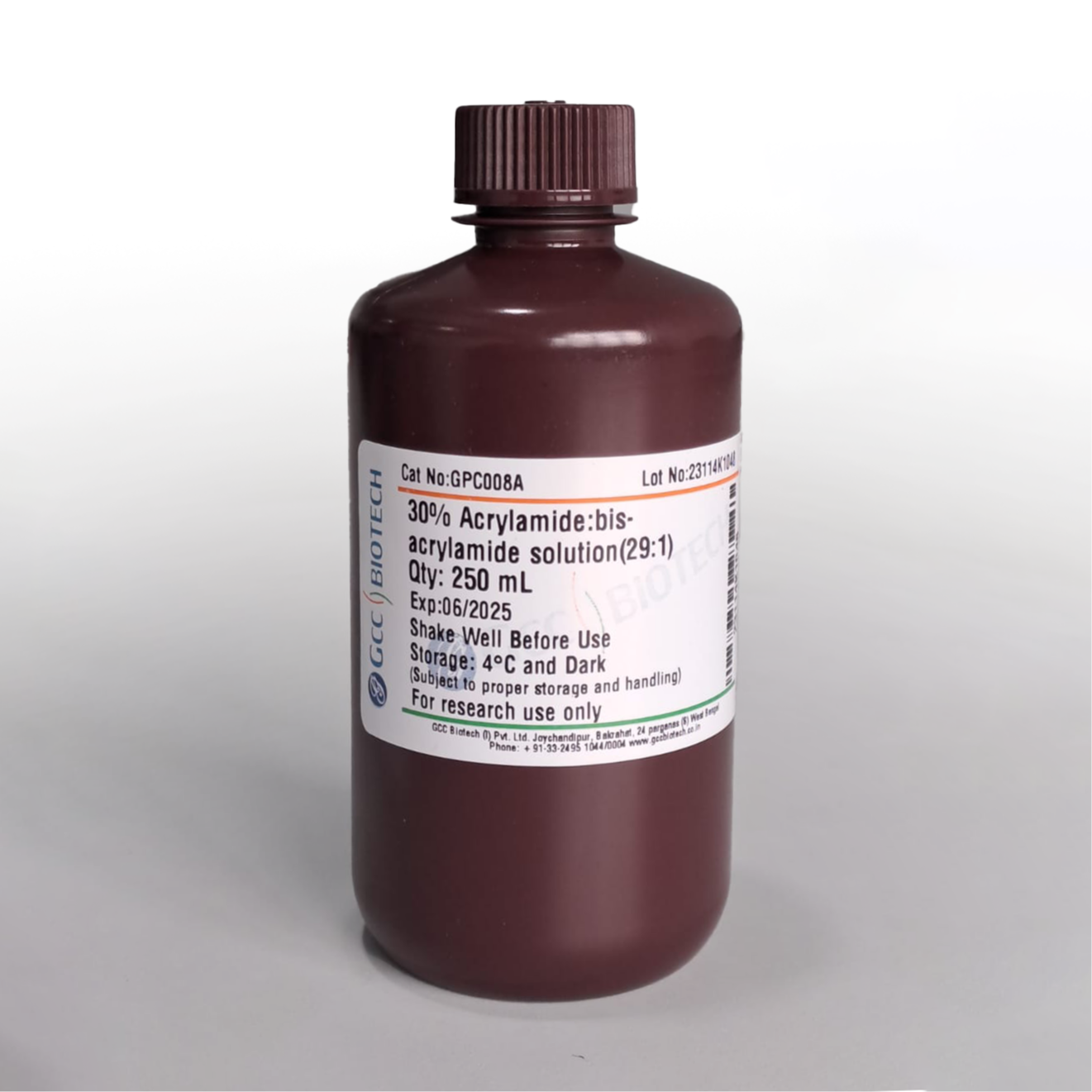
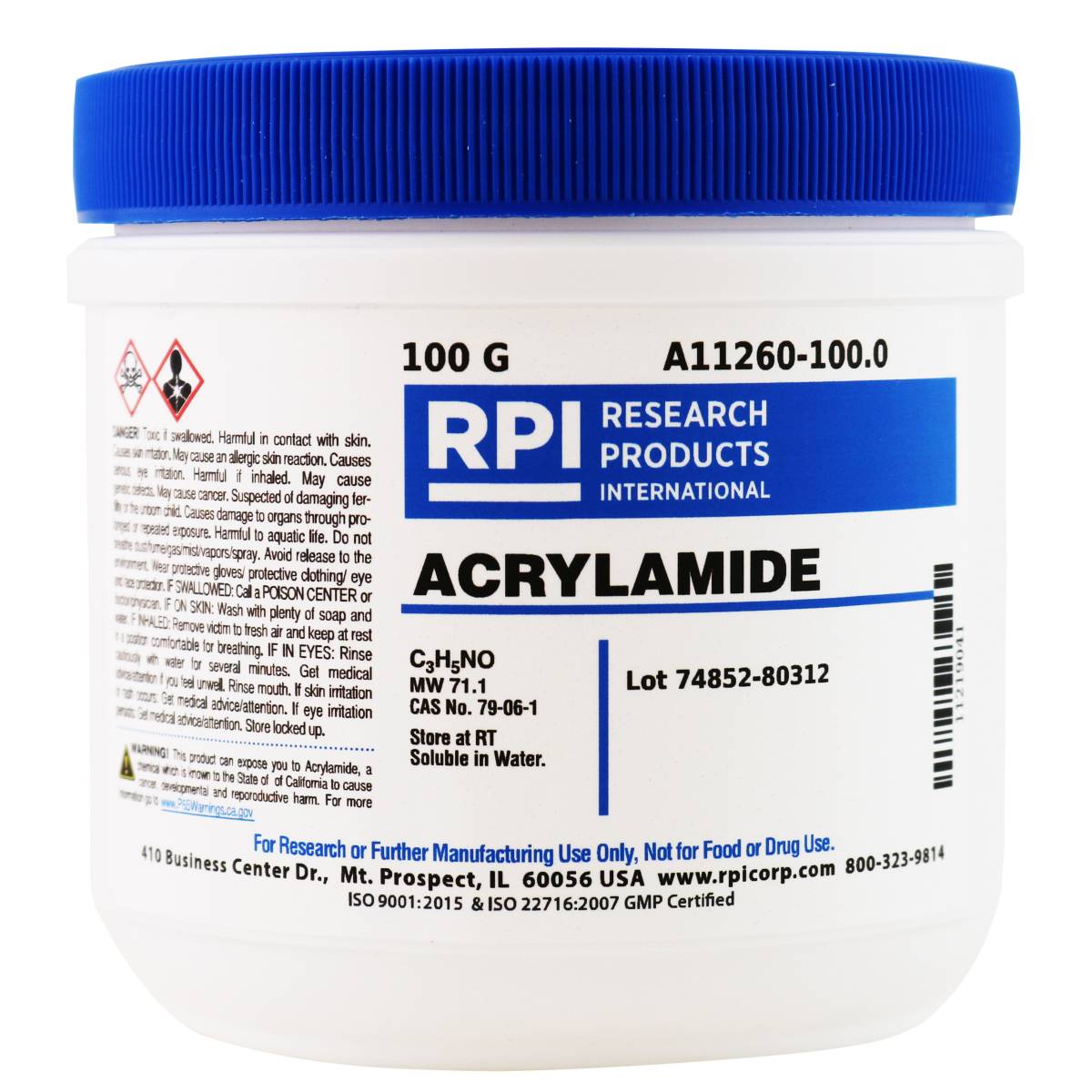

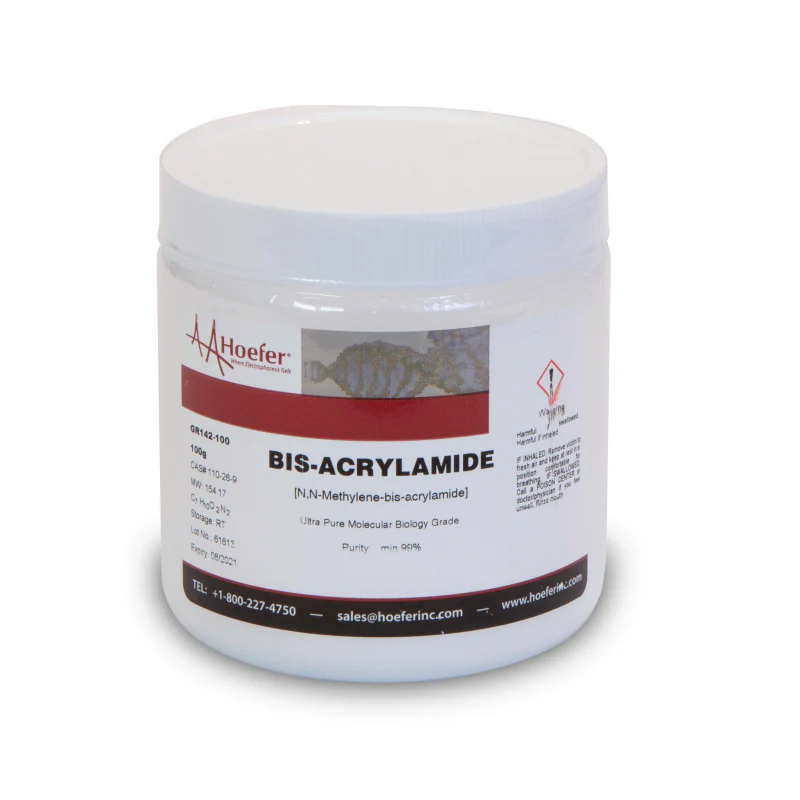
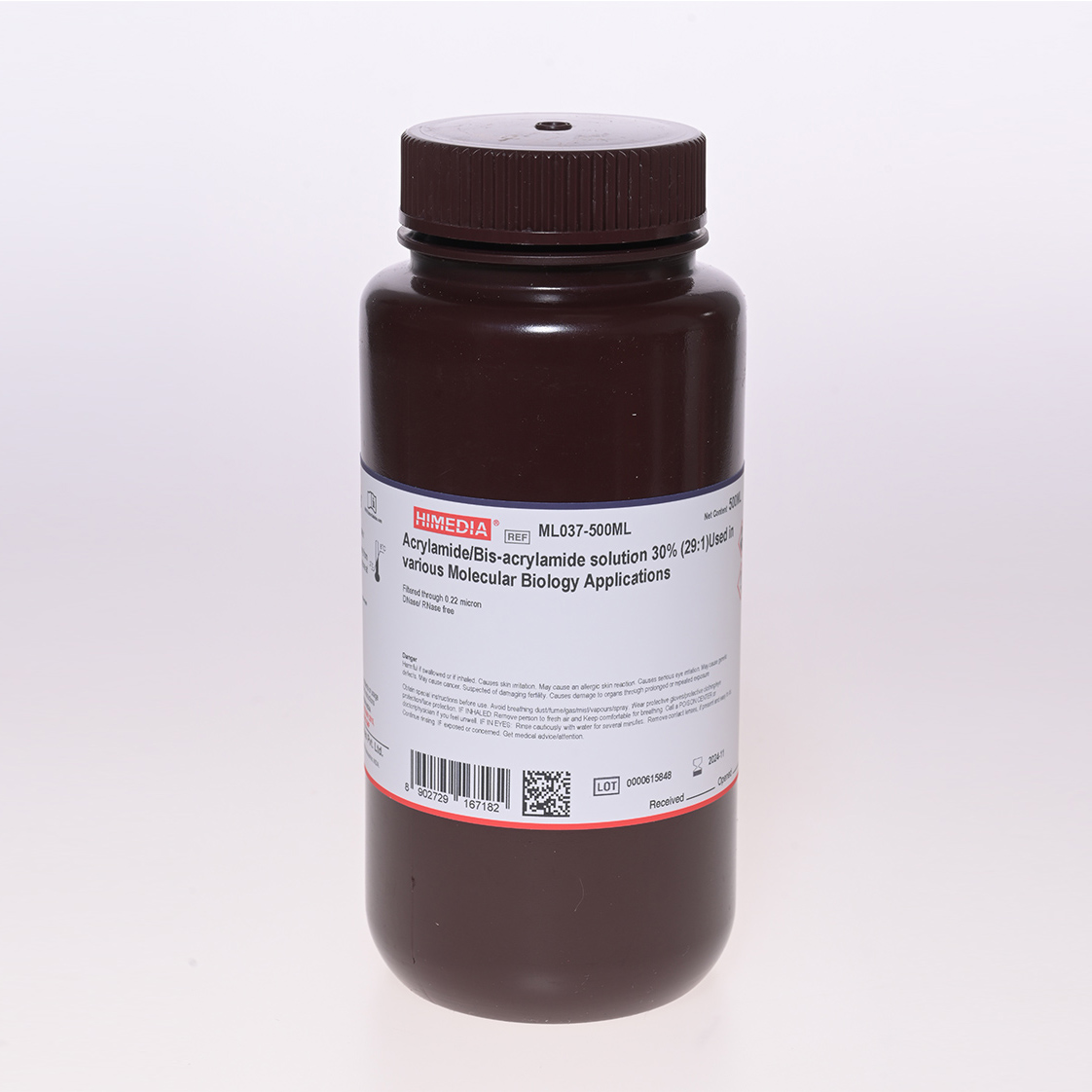
Description
Acrylamide: What You Need to Know About This Chemical Compound
Acrylamide is a chemical compound that has gained attention in recent years due to its presence in certain foods and potential health concerns. While it’s used in various industrial applications, its formation in cooked foods has sparked debate and raised questions about dietary safety. Here’s a breakdown of what you need to know about acrylamide.
What is Acrylamide?
Acrylamide is a white, odorless, crystalline solid chemical compound. Industrially, it’s used in the production of polyacrylamides, which have wide-ranging applications, including:
- Water treatment: Used as a flocculant to remove contaminants from water.
- Paper manufacturing: Improves paper strength and quality.
- Construction: Soil stabilization and sealant applications.
- Cosmetics: Thickening and binding agent in some cosmetic products.
How Does Acrylamide Form in Food?
The concern surrounding acrylamide stems from its formation in certain foods during high-temperature cooking methods like frying, baking, roasting, and grilling. It’s formed through the Maillard reaction, a natural chemical reaction between sugars and an amino acid called asparagine, which are naturally present in many foods. This reaction is responsible for the browning and flavorful crust that we often find appealing on cooked foods.
Common foods where acrylamide can be found include:
- Potato products: French fries, potato chips, roasted potatoes
- Grain-based products: Bread, crackers, cookies, breakfast cereals
- Coffee: Roasted coffee beans
- Other: Some processed foods
What are the Potential Health Concerns?
Animal studies have shown that high doses of acrylamide can increase the risk of cancer. While these studies have raised concerns, it’s important to note that the doses used in animal studies are significantly higher than the estimated levels humans are exposed to through food consumption.
The International Agency for Research on Cancer (IARC) classifies acrylamide as a “probable human carcinogen” (Group 2A), based on the sufficiency of evidence in experimental animals but inadequate evidence in humans.
The European Food Safety Authority (EFSA) and other regulatory bodies have concluded that acrylamide in food is a potential health concern and that exposure should be kept as low as reasonably achievable (ALARA).
How Can You Reduce Acrylamide Exposure?
While completely eliminating acrylamide from our diet may not be practical, there are steps consumers can take to minimize their exposure:
- Cook foods to a lighter color: Avoid over-browning or charring starchy foods.
- Soak raw potatoes before frying: This can help reduce asparagine levels.
- Store potatoes in a cool, dark place: Avoid refrigeration, as this can increase sugar levels and subsequently increase acrylamide formation during cooking.
- Balance your diet: Emphasize a varied diet rich in fruits, vegetables, and whole grains.
- Follow cooking instructions: Adhere to recommended cooking times and temperatures.
Regulatory Efforts and Future Research:
Food safety agencies worldwide are actively monitoring acrylamide levels in food and providing guidance to food manufacturers on how to reduce its formation during processing. Research is ongoing to further understand the health effects of acrylamide and to develop strategies for minimizing its presence in the food supply.
Conclusion:
Acrylamide is a chemical compound that forms in certain foods during high-temperature cooking. While animal studies have raised concerns about its potential carcinogenicity, human studies are limited. While more research is needed, consumers can take practical steps to minimize their exposure by adjusting cooking methods and maintaining a balanced diet. Continuing efforts from regulatory bodies and the food industry are also focused on reducing acrylamide levels in the food supply to ensure consumer safety.


Reviews
There are no reviews yet.