


Description
4-Phenylacetaldehyde: A Versatile Aromatic Aldehyde with Diverse Applications
4-Phenylacetaldehyde, also known as homophenylacetaldehyde, is an aromatic aldehyde with the chemical formula C8H8O. This compound features an acetaldehyde moiety attached to a phenyl group, making it a fascinating intermediate with a wide range of applications in various fields, including fragrance, pharmaceuticals, and chemical synthesis.
Physical and Chemical Properties:
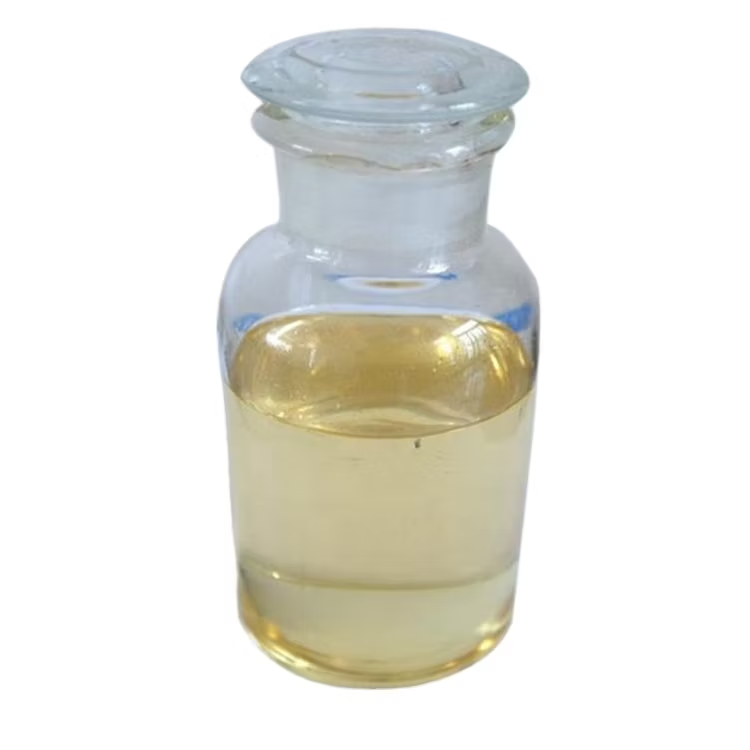
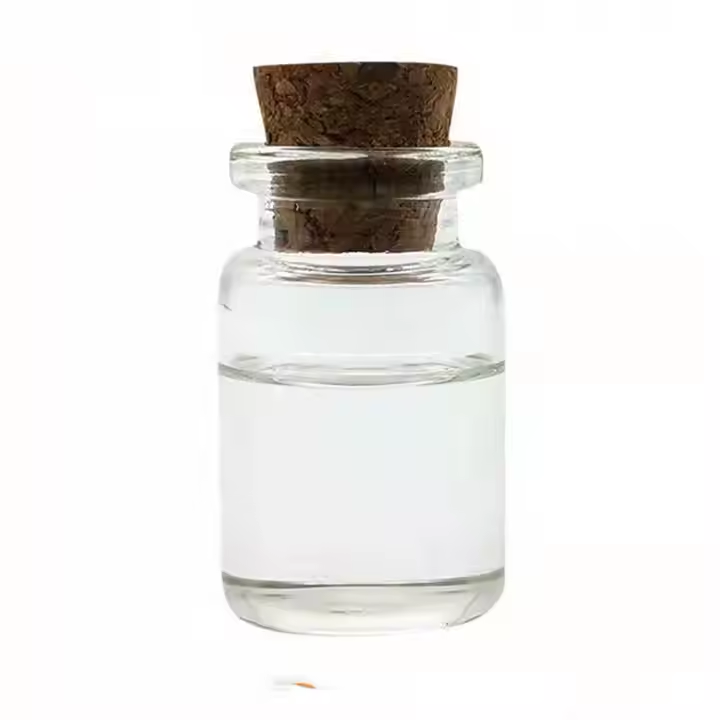
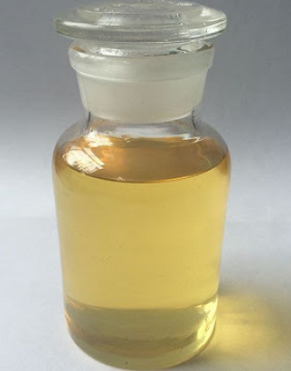
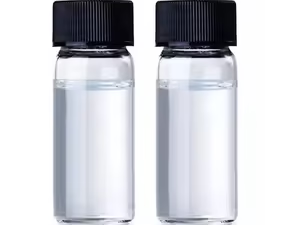
4-Phenylacetaldehyde is typically encountered as a colorless to pale yellow liquid. It possesses a characteristic floral and honey-like odor, which contributes significantly to its use in perfumery. It is moderately soluble in organic solvents and slightly soluble in water. The presence of the aldehyde group makes it reactive towards various nucleophiles, enabling it to participate in diverse chemical reactions.
Applications:
The versatility of 4-Phenylacetaldehyde stems from its unique chemical structure and properties, leading to its applications in several key industries:
- Fragrance Industry: This compound is a valuable component in the creation of perfumes and fragrances. Its pleasant floral, honey-like, and somewhat animalic notes add depth and complexity to fragrance compositions. It’s often used to create sweet, floral, and oriental accords. The compound’s ability to blend well with other fragrance materials makes it a popular choice for perfumers.
- Pharmaceutical Industry: 4-Phenylacetaldehyde serves as an important intermediate in the synthesis of various pharmaceutical compounds. Its versatile nature allows for its incorporation into complex molecules with therapeutic potential. While specific examples are often proprietary, it can be used as a building block for drugs targeting a range of conditions.
- Chemical Synthesis: As an aldehyde, 4-Phenylacetaldehyde undergoes typical aldehyde reactions such as oxidation, reduction, and condensation reactions. This makes it a valuable building block for the synthesis of a wide range of organic compounds, including alcohols, carboxylic acids, and various heterocyclic compounds. Its reactivity allows for the creation of complex molecules with specific functionalities.
- Flavor Industry: Even though primarily used in fragrance, 4-Phenylacetaldehyde can also contribute to certain flavor profiles. Its sweet and honey-like notes, when used in trace amounts, can enhance the taste of certain food products. However, its application in the food industry is less common compared to its widespread use in perfumery.
Production and Synthesis:
Several methods exist for the synthesis of 4-Phenylacetaldehyde. Common approaches include:
- Oxidation of 4-Phenyl ethanol: This method involves the oxidation of 4-phenyl ethanol using various oxidizing agents, such as pyridinium chlorochromate (PCC) or Dess-Martin periodinane.
- Reduction of 4-Phenylacetyl chloride: Reduction of the corresponding acid chloride using reducing agents like lithium aluminum hydride (LAH) or other selective reducing agents can also yield 4-Phenylacetaldehyde.
- Other methods: Other specialized methods may involve Grignard reactions or specific catalytic processes to generate the desired aldehyde.
Safety and Handling:
While widely used, 4-Phenylacetaldehyde should be handled with care. Proper ventilation is essential during its use, and contact with skin and eyes should be avoided. It is generally considered a flammable liquid and should be stored in a cool, dry place away from heat, sparks, and open flames. Always consult the Material Safety Data Sheet (MSDS) for comprehensive information on safety precautions and handling procedures.
Conclusion:
4-Phenylacetaldehyde is a valuable and versatile aromatic aldehyde with significant applications in the fragrance, pharmaceutical, and chemical synthesis industries. Its unique chemical properties and pleasant odor contribute to its widespread use in perfumes and its value as a precursor in the synthesis of complex organic molecules. As research continues, we can expect to see further exploration of its potential in diverse applications, solidifying its position as an important building block in chemistry.



Reviews
There are no reviews yet.