
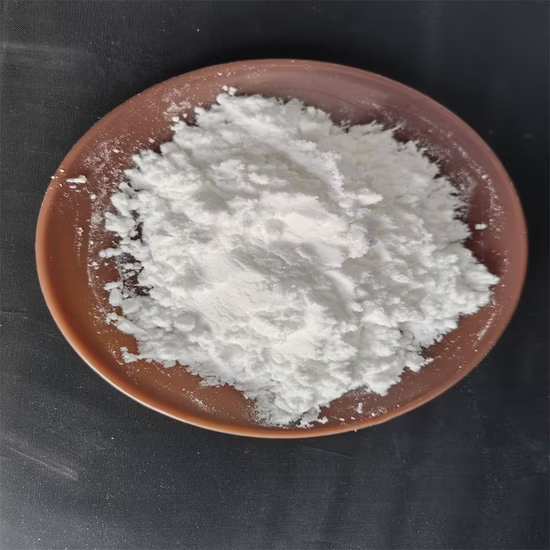
Description
3,4-Dimethylacetophenone: A Versatile Molecule in Chemistry and Beyond
3,4-Dimethylacetophenone is an aromatic ketone with the chemical formula C₁₀H₁₂O. It belongs to the family of acetophenones, distinguished by the presence of an acetyl group (-COCH₃) attached to a benzene ring. In this specific molecule, two methyl groups (CH₃) are attached to the benzene ring at the 3 and 4 positions, hence the name 3,4-Dimethylacetophenone. While perhaps not a household name, this chemical compound finds utility in diverse fields, making it a valuable building block in organic synthesis and other applications.
Key Properties and Characteristics:
- Structure: The presence of the carbonyl group (C=O) in the acetyl moiety confers a degree of polarity to the molecule, influencing its reactivity and solubility. The two methyl groups affect the electron density distribution on the aromatic ring, further influencing reactivity.
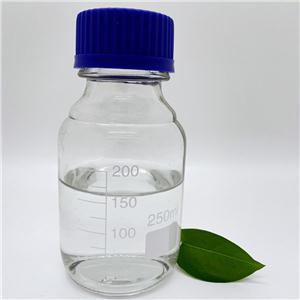
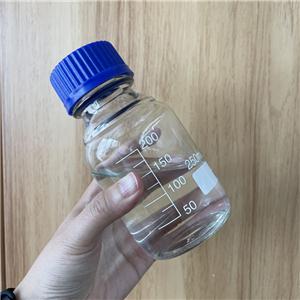
- Appearance: 3,4-Dimethylacetophenone typically appears as a colorless to pale yellow liquid or crystalline solid.
- Solubility: It exhibits moderate solubility in organic solvents due to its organic nature, while its solubility in water is relatively low.
- Reactivity: The carbonyl group is susceptible to various reactions, including nucleophilic additions, reductions, and oxidations. The methyl groups can also participate in reactions, although typically less directly.
Applications and Uses:
3,4-Dimethylacetophenone’s diverse applications stem from its versatile chemical properties. Here are some notable areas where it finds use:
- Organic Synthesis: This molecule serves as a crucial intermediate in the synthesis of a variety of complex organic compounds. Its aromatic ring and reactive carbonyl group provide multiple points for functionalization and modification. Researchers utilize it to build larger, more complex molecules with specific properties and functionalities.
- Pharmaceutical Research: Acetophenones and their derivatives often find applications in pharmaceutical chemistry. 3,4-Dimethylacetophenone can be a building block for synthesizing potential drug candidates. Its structural features can be modified to create molecules that interact with specific biological targets, leading to the development of new therapeutic agents. While not a drug itself, it may be a key intermediate in the drug discovery process.
- Flavor and Fragrance Industry: Certain substituted acetophenones contribute to the characteristic scents and flavors of various substances. While information on 3,4-Dimethylacetophenone’s direct use in this industry is limited, it’s possible that it or its derivatives could be explored for their aromatic properties and potential contribution to flavor and fragrance formulations.
- Polymer Chemistry: The molecule’s ability to undergo polymerization reactions can be leveraged in polymer chemistry. It might be used as a monomer or a comonomer in the synthesis of polymers with tailored properties.
- Research and Development: 3,4-Dimethylacetophenone is commonly used as a research chemical in academic and industrial laboratories. Its availability and relative ease of manipulation make it a valuable tool for exploring reaction mechanisms, developing new synthetic methodologies, and studying the properties of aromatic ketones.
Safety Considerations:
As with any chemical compound, proper handling and safety precautions are essential when working with 3,4-Dimethylacetophenone. Users should consult the Material Safety Data Sheet (MSDS) for specific information on potential hazards, including flammability, toxicity, and reactivity. Protective measures like wearing appropriate personal protective equipment (PPE), such as gloves, safety glasses, and a lab coat, are crucial to minimize exposure. Work should be conducted in a well-ventilated area or fume hood to prevent inhalation of vapors.
Conclusion:
3,4-Dimethylacetophenone is a valuable chemical compound with diverse applications across various fields. Its role in organic synthesis, pharmaceutical research, polymer chemistry, and other areas highlights its importance as a chemical building block. While not directly a consumer product, its presence is instrumental in the creation of many products and technologies we rely on. As research continues, we can expect to see even more innovative applications of this versatile aromatic ketone, further solidifying its place in the world of chemistry.




Reviews
There are no reviews yet.