

Description
2-Ethylhexyl Acrylate: The Unsung Hero in Enabling Performance Materials
In the vast and intricate world of chemical compounds, some molecules quietly underpin a surprising array of everyday products, contributing essential properties that we often take for granted. One such unsung hero is 2-Ethylhexyl Acrylate (2-EHA). While its name may sound complex, 2-EHA is a fundamental building block in the production of countless modern materials, from the paints on our walls to the adhesives that hold our devices together.
What is 2-Ethylhexyl Acrylate?
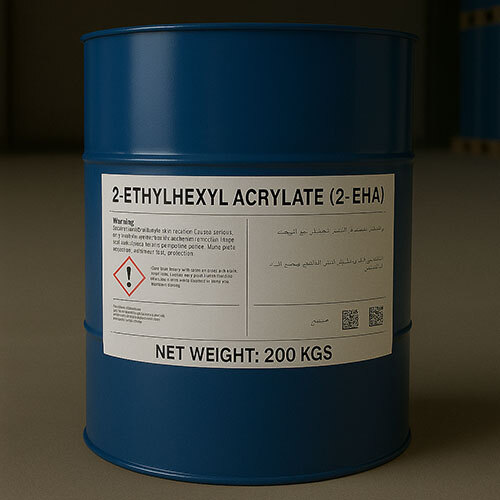
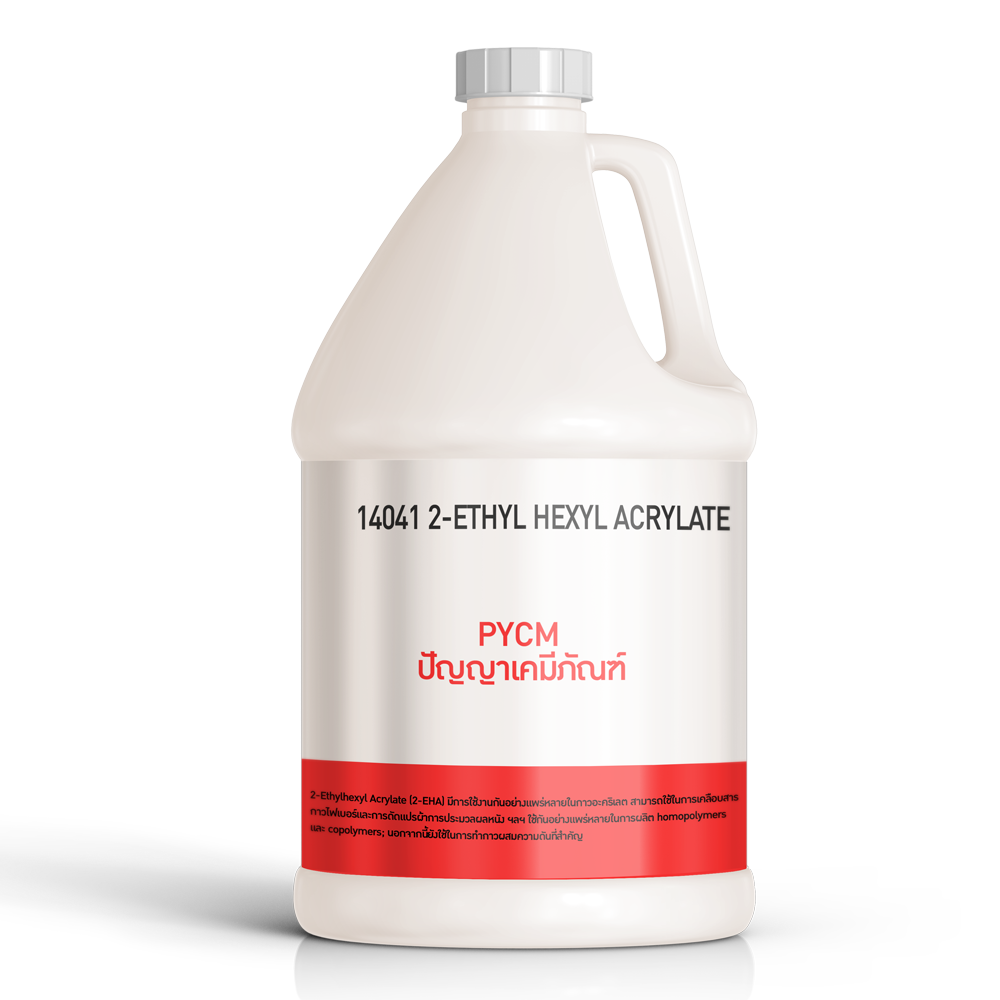
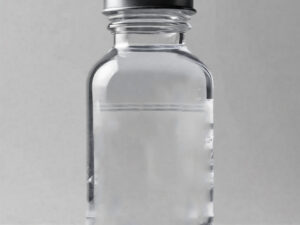
2-Ethylhexyl Acrylate (often abbreviated as 2-EHA) is a colorless liquid chemical compound with a characteristic sweet, ester-like odor. Chemically, it is an ester of acrylic acid and 2-ethylhexanol. Its distinct molecular structure, particularly the branched 2-ethylhexyl group, imparts a unique set of properties to the polymers it forms.
The Power of Polymerization
The magic of 2-EHA lies in its ability to undergo polymerization. As a monomer, it readily reacts with other 2-EHA molecules (homopolymerization) or with other acrylic and vinyl monomers (copolymerization) to form long chains known as polymers. These resulting acrylic polymers and copolymers are incredibly versatile, offering a wide range of tailor-made properties depending on the specific formulation.
Key Properties Imparted by 2-EHA:
When incorporated into polymers, 2-EHA is prized for bestowing several crucial characteristics:
- Flexibility and Softness: Polymers containing 2-EHA are typically soft and flexible, even at low temperatures. This makes them ideal for applications requiring elasticity and resistance to cracking.
- Adhesion: It promotes excellent adhesion to various substrates, including plastics, metals, and paper.
- Water Resistance: The hydrocarbon “tail” of the 2-ethylhexyl group contributes to the hydrophobicity (water-repelling nature) of the resulting polymer.
- Weatherability and UV Resistance: Polymers with 2-EHA exhibit good resistance to degradation from sunlight and environmental exposure.
- Low Viscosity: As a monomer, 2-EHA has relatively low viscosity, making it easy to handle and formulate.
- Good Solvent Power: It can act as a solvent for other monomers and additives in a formulation.
Diverse Applications Across Industries:
Thanks to its advantageous properties, 2-EHA finds extensive use across numerous industries:
- Adhesives and Sealants: This is one of its largest application areas. 2-EHA-containing polymers are integral to pressure-sensitive adhesives (PSAs) used in tapes, labels, protective films, and medical patches due to their permanent tack and flexibility. They also enhance the performance of construction adhesives and sealants.
- Paints and Coatings: In architectural, automotive, and industrial coatings, 2-EHA improves flexibility, adhesion, and resistance to weathering, cracking, and water. It contributes to the durability and longevity of paint films.
- Textiles and Nonwovens: As a binder, 2-EHA helps to impart softness, durability, and resilience to fabrics and nonwoven materials, such as those used in disposable wipes, filters, and interlinings.
- Inks and Graphic Arts: Inks and overprint varnishes benefit from 2-EHA’s ability to provide good adhesion, flexibility, and resistance to abrasion.
- Specialty Polymers: It’s also used in the production of various specialty polymers for specific applications like impact modifiers, plasticizers, and other chemical intermediates.
Safety and Environmental Considerations:
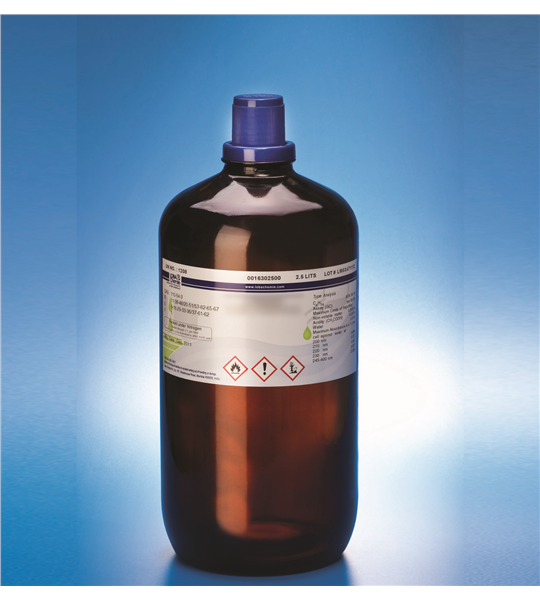
Like many chemical monomers, 2-EHA requires careful handling during its manufacturing and processing stages. The monomer can be a skin and eye irritant, and inhalation of its vapors should be avoided. It is also flammable. However, it is crucial to note that once 2-EHA is polymerized into the final product (e.g., a paint film, an adhesive layer), its chemical nature changes dramatically, and the resulting polymer is generally considered safe and inert. Responsible manufacturing practices, including closed systems and appropriate personal protective equipment, are essential in industrial settings.
From an environmental standpoint, ongoing research and industry efforts focus on sustainable production methods and responsible waste management. The biodegradability of the monomer is limited, highlighting the importance of preventing its release into the environment.
Conclusion:
2-Ethylhexyl Acrylate may not be a household name, but its influence is pervasive in the materials that shape our modern world. Its unique chemical structure allows it to impart a critical balance of flexibility, adhesion, and durability to a wide range of polymers. As industries continue to demand higher performance and more sustainable solutions, 2-EHA will undoubtedly remain a versatile and indispensable monomer, enabling innovation in countless products we rely on every day.

Reviews
There are no reviews yet.