
Description
In the world of consumer safety and environmental health, some chemicals make headlines daily, while others remain largely invisible to the public eye. 1,4-Dioxane falls into the latter category.
Despite being classified as a “likely human carcinogen” by the U.S. Environmental Protection Agency (EPA), many consumers have never heard of it. Why? Because you won’t find it listed on a single product label.
In this post, we’ll dive into what 1,4-Dioxane is, why it’s in your home, and how you can protect your family and the environment.
What is 1,4-Dioxane?
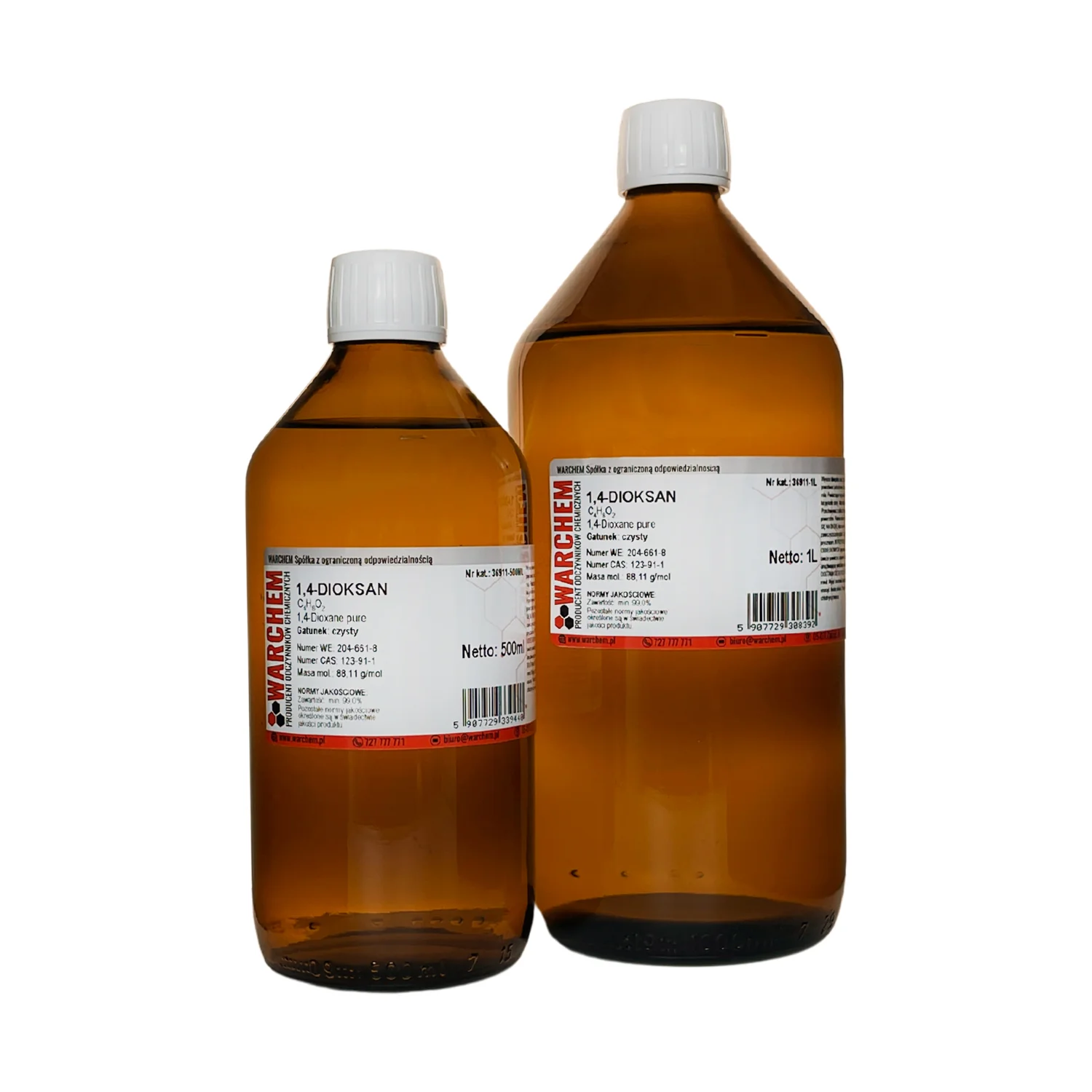
1,4-Dioxane is a clear, flammable liquid with a faint, sweet odor. Unlike ingredients added intentionally for a specific purpose (like fragrance or preservatives), 1,4-Dioxane is a synthetic byproduct.
It is created during a manufacturing process called ethoxylation, which companies use to make harsh cleaning chemicals gentler on the skin. Because it is a byproduct and not an intentional ingredient, the FDA does not require it to be listed on ingredient labels.
Where is it Found?
Because of its role in the manufacturing process, 1,4-Dioxane is prevalent in two main areas:
1. Personal Care and Household Products
It is frequently found in products that “suds up,” including:
- Shampoos and conditioners
- Liquid laundry detergents
- Bubble baths and body washes
- Dish soaps
- Cosmetics and lotions
2. Drinking Water
1,4-Dioxane is a highly persistent “forever chemical” in the environment. It doesn’t break down easily in soil or water and is resistant to many traditional wastewater treatment methods. As a result, it has migrated into groundwater and drinking water supplies across the country, often stemming from industrial sites or the disposal of consumer products.
Why Should We Be Concerned?
The primary concern regarding 1,4-Dioxane is long-term exposure.
- Human Health: The EPA classifies it as a Group B2 (likely human) carcinogen. Animal studies have shown that chronic exposure can lead to the formation of tumors, particularly in the liver and nasal cavity. Short-term exposure to high levels can cause eye, nose, and throat irritation.
- Environmental Impact: Because it is highly soluble in water, it moves rapidly through the ground and into aquifers. Once it enters the water cycle, it is incredibly difficult and expensive to remove.
The “Hidden” Label: How to Spot It
Since you won’t see “1,4-Dioxane” on a bottle of laundry detergent, how can you avoid it? You have to look for ingredients that indicate the ethoxylation process has occurred. Watch out for these keywords:
- PEG (Polyethylene glycol)
- Polyethylene
- Polyoxyethylene
- -eth (Ingredients ending in “eth,” such as Sodium Laureth Sulfate or Steareth-20)
- Polysorbate (e.g., Polysorbate-60 or -80)
Regulatory Shifts: The Tide is Turning
For years, 1,4-Dioxane flew under the radar. However, regulatory bodies are finally taking action:
- New York State: In a landmark move, New York became the first state to ban the sale of household cleaning and personal care products containing more than trace amounts of 1,4-Dioxane.
- The EPA: Under the Toxic Substances Control Act (TSCA), the EPA has been conducting ongoing risk evaluations to determine if stricter federal regulations are necessary to protect both workers and consumers.
How to Protect Yourself
While it’s nearly impossible to avoid every trace of synthetic chemicals, you can significantly reduce your exposure with these steps:
- Choose “Bio-Based” or “USDA Organic” Products: These certifications often prohibit the ethoxylation process altogether.
- Look for “Vacuum Stripping”: Some manufacturers now use a process called “vacuum stripping” to remove 1,4-Dioxane from their products before they hit the shelves. If a brand is 1,4-Dioxane-free, they will usually advertise it proudly.
- Use Databases: Tools like the Environmental Working Group’s (EWG) Skin Deep database can help you check the safety ratings of your favorite soaps and shampoos.
- Check Your Water: If you are concerned about your local tap water, you can check your annual water quality report (Consumer Confidence Report) or consider high-quality carbon filtration or reverse osmosis systems, though their effectiveness against 1,4-Dioxane varies.
The Bottom Line
1,4-Dioxane is a prime example of why ingredient transparency is so important. While it remains a common invisible contaminant, consumer demand for cleaner products is driving change. By reading between the lines of ingredient labels and supporting companies that prioritize safety, we can reduce our toxic load and move toward a cleaner, healthier future.
Disclaimer: This blog post is for informational purposes only and does not constitute medical or professional environmental advice.
In the world of consumer safety and environmental health, some chemicals make headlines daily, while others remain largely invisible to the public eye. 1,4-Dioxane falls into the latter category.
Despite being classified as a “likely human carcinogen” by the U.S. Environmental Protection Agency (EPA), many consumers have never heard of it. Why? Because you won’t find it listed on a single product label.
In this post, we’ll dive into what 1,4-Dioxane is, why it’s in your home, and how you can protect your family and the environment.
What is 1,4-Dioxane?
1,4-Dioxane is a clear, flammable liquid with a faint, sweet odor. Unlike ingredients added intentionally for a specific purpose (like fragrance or preservatives), 1,4-Dioxane is a synthetic byproduct.
It is created during a manufacturing process called ethoxylation, which companies use to make harsh cleaning chemicals gentler on the skin. Because it is a byproduct and not an intentional ingredient, the FDA does not require it to be listed on ingredient labels.
Where is it Found?
Because of its role in the manufacturing process, 1,4-Dioxane is prevalent in two main areas:
1. Personal Care and Household Products
It is frequently found in products that “suds up,” including:
- Shampoos and conditioners
- Liquid laundry detergents
- Bubble baths and body washes
- Dish soaps
- Cosmetics and lotions
2. Drinking Water
1,4-Dioxane is a highly persistent “forever chemical” in the environment. It doesn’t break down easily in soil or water and is resistant to many traditional wastewater treatment methods. As a result, it has migrated into groundwater and drinking water supplies across the country, often stemming from industrial sites or the disposal of consumer products.
Why Should We Be Concerned?
The primary concern regarding 1,4-Dioxane is long-term exposure.
- Human Health: The EPA classifies it as a Group B2 (likely human) carcinogen. Animal studies have shown that chronic exposure can lead to the formation of tumors, particularly in the liver and nasal cavity. Short-term exposure to high levels can cause eye, nose, and throat irritation.
- Environmental Impact: Because it is highly soluble in water, it moves rapidly through the ground and into aquifers. Once it enters the water cycle, it is incredibly difficult and expensive to remove.
The “Hidden” Label: How to Spot It
Since you won’t see “1,4-Dioxane” on a bottle of laundry detergent, how can you avoid it? You have to look for ingredients that indicate the ethoxylation process has occurred. Watch out for these keywords:
- PEG (Polyethylene glycol)
- Polyethylene
- Polyoxyethylene
- -eth (Ingredients ending in “eth,” such as Sodium Laureth Sulfate or Steareth-20)
- Polysorbate (e.g., Polysorbate-60 or -80)
Regulatory Shifts: The Tide is Turning
For years, 1,4-Dioxane flew under the radar. However, regulatory bodies are finally taking action:
- New York State: In a landmark move, New York became the first state to ban the sale of household cleaning and personal care products containing more than trace amounts of 1,4-Dioxane.
- The EPA: Under the Toxic Substances Control Act (TSCA), the EPA has been conducting ongoing risk evaluations to determine if stricter federal regulations are necessary to protect both workers and consumers.
How to Protect Yourself
While it’s nearly impossible to avoid every trace of synthetic chemicals, you can significantly reduce your exposure with these steps:
- Choose “Bio-Based” or “USDA Organic” Products: These certifications often prohibit the ethoxylation process altogether.
- Look for “Vacuum Stripping”: Some manufacturers now use a process called “vacuum stripping” to remove 1,4-Dioxane from their products before they hit the shelves. If a brand is 1,4-Dioxane-free, they will usually advertise it proudly.
- Use Databases: Tools like the Environmental Working Group’s (EWG) Skin Deep database can help you check the safety ratings of your favorite soaps and shampoos.
- Check Your Water: If you are concerned about your local tap water, you can check your annual water quality report (Consumer Confidence Report) or consider high-quality carbon filtration or reverse osmosis systems, though their effectiveness against 1,4-Dioxane varies.
The Bottom Line
1,4-Dioxane is a prime example of why ingredient transparency is so important. While it remains a common invisible contaminant, consumer demand for cleaner products is driving change. By reading between the lines of ingredient labels and supporting companies that prioritize safety, we can reduce our toxic load and move toward a cleaner, healthier future.
Disclaimer: This blog post is for informational purposes only and does not constitute medical or professional environmental advice.


Reviews
There are no reviews yet.