
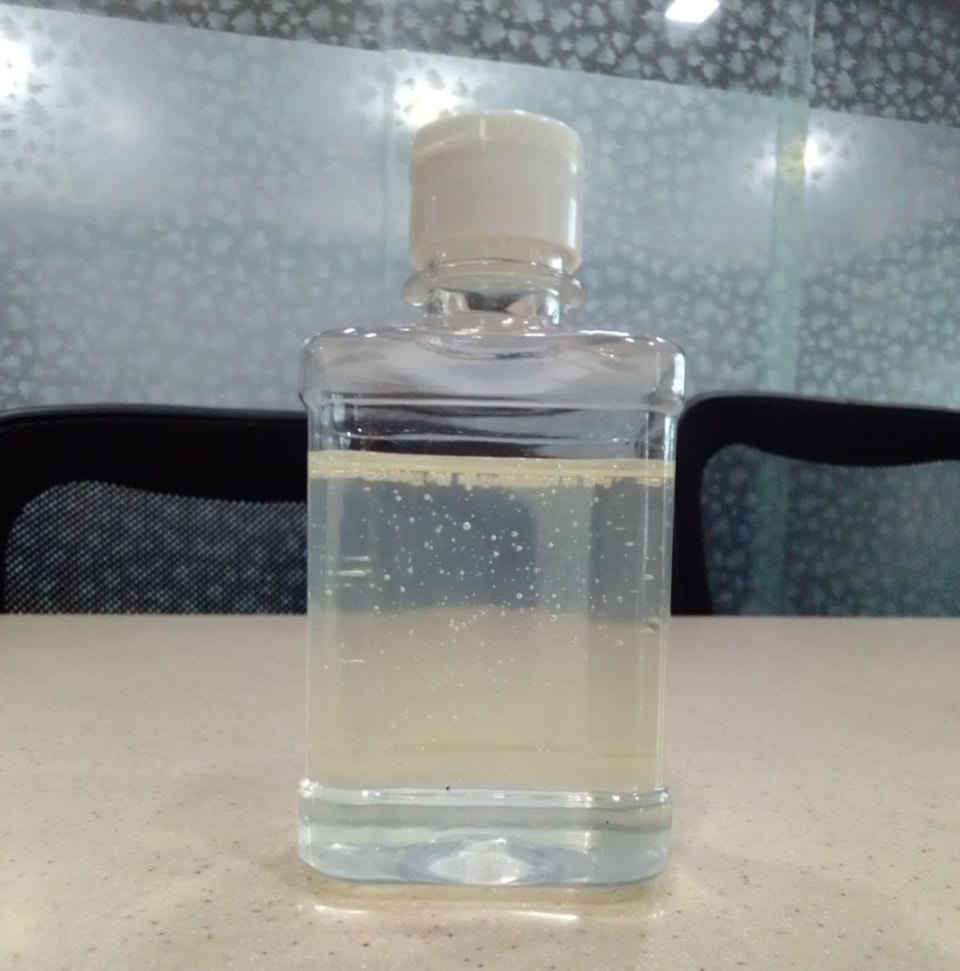
Description
1. Product Overview
Base Oil GP 150 (Group I) is a high-viscosity solvent-refined mineral oil, engineered for lubricant blending and industrial formulation where moderate oxidation stability and superior solvency are required. Its primary industrial use lies in producing heavy-duty industrial lubricants, greases, and metalworking fluids that operate under moderate to high thermal stress. The key value proposition is its optimal balance between cost efficiency and reliable performance for legacy systems not requiring synthetic or Group II/III bases. Strategically, GP 150 remains vital in global markets where price-sensitive, robust lubricant production drives uptime in construction, marine, and manufacturing sectors.
2. Key Specifications & Technical Characteristics
-
Chemical composition: Solvent-refined (SN 150 grade) naphthenic and paraffinic hydrocarbon blend; Group I designation per API 1509
-
Purity / Grade: Technical grade; free of additives, water, and mechanical impurities
-
Physical characteristics:
-
Form: Clear, bright liquid
-
Color: ≤ 2.5 ASTM
-
Kinematic viscosity @ 40°C: 130–160 cSt
-
Viscosity Index (VI): ≥ 90
-
Flash point (COC): ≥ 215°C
-
Pour point: ≤ -9°C
-
Density @ 15°C: 0.880–0.900 kg/L
-
-
Packaging options:
-
Bulk: ISO tanks, flexitanks (20,000L)
-
Drums: 208L (net 185 kg) new/reconditioned
-
IBC totes: 1000L
-
-
Shelf life: 24 months in original sealed container in dry, ambient conditions (5–40°C)
3. Core Industrial Applications
-
Primary industries: Industrial lubricant blending, steel and cement manufacturing, marine engine oils, grease production, metal forming (drawing/stamping)
-
Specific use cases:
-
Formulating R&O (rust & oxidation) hydraulic oils for stationary equipment
-
Base for open-gear lubricants in mining conveyors
-
Carrier fluid for grease thickeners (lithium, calcium)
-
-
Performance vs. alternatives: GP 150 provides superior additive solubility compared to Group II/III oils, ensuring stable emulsion in metalworking fluids. Its higher aromatic content enhances seal swell in older machinery, reducing leaks where synthetic alternatives often cause seal shrinkage. Cost per liter is typically 15–25% lower than Group II equivalents, delivering demonstrable OPEX savings for high-volume users.
4. Competitive Advantages
-
Quality consistency: Batch-to-batch viscosity control within ±5%; certified ISO 8217 compliance upon request
-
Supply reliability: Triple-sourced refining partnerships (EU, Middle East, Asia) mitigating regional disruption risk
-
Logistics capability: Dedicated temperature-controlled fleet; 48-hour dispatch for bulk orders from Rotterdam, Houston, and Singapore hubs
-
Price competitiveness: Volume-based tiering with long-term hedged contracts – transparent pricing tied to ICIS/Brent benchmarks
-
Sustainability: 98% recyclability in re-refining loops; lower carbon footprint than virgin Group II production (no severe hydrocracking)
-
Technical support: Full Certificates of Analysis (CoA), MSDS, and blending optimization recommendations provided within 24 hours of request
5. Commercial & Supply Information
-
Minimum Order Quantity (MOQ): BULK 20 metric tons (MT) – equivalent to one flexitank or ISO tank
-
Loading capacity per 20FT container: 20 MT net (tote/drum configuration: 20 MT exactly using 80 drums of 250kg net each, or 20 IBC totes of 1000kg net)




Reviews
There are no reviews yet.