

Description
1. Product Overview
Organometallic Cobalt Carbonyl (primarily Dicobalt Octacarbonyl, Co₂(CO)₈) is a high-purity homogeneous catalyst essential for carbonylation and hydroformylation reactions in specialty chemical synthesis. Its primary industrial use is enabling the production of aldehydes, alcohols, and high-value intermediates from olefins, syngas, and carbon monoxide. The key value proposition lies in its exceptional catalytic activity and selectivity under moderate pressure conditions, reducing energy input and byproduct formation. Strategically, this product is critical for manufacturers seeking to scale low-carbon, atom-efficient chemical processes in a volatile cobalt market.
2. Key Specifications & Technical Characteristics
-
Chemical composition: Dicobalt Octacarbonyl (Co₂(CO)₈), typically ≥98% active cobalt carbonyl complex
-
Purity level: Technical grade (98–99%) / High-purity grade (99.5%+) available upon request
-
Physical characteristics:
-
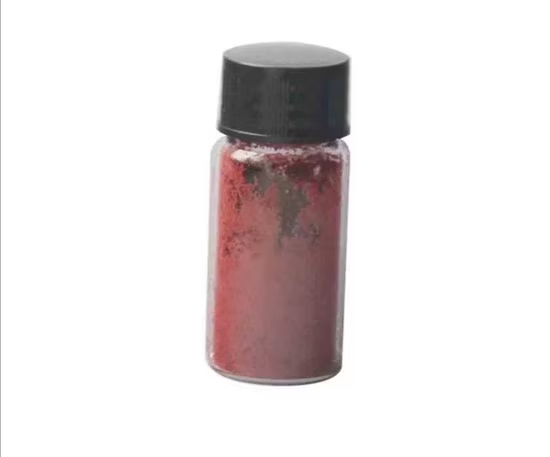
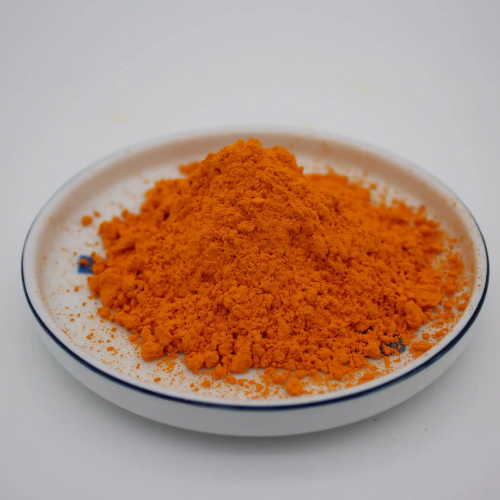
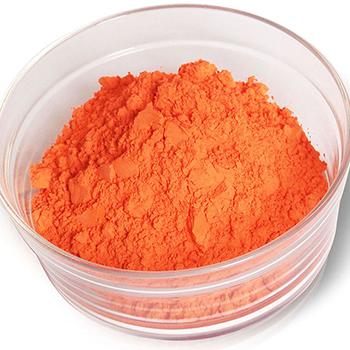
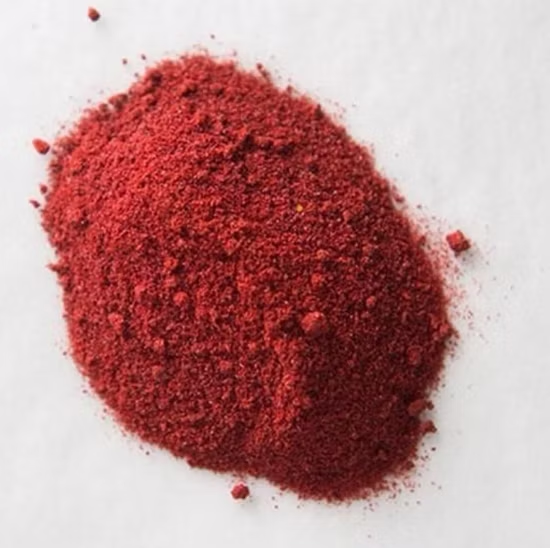
Orange-red to dark brown crystalline solid or molten liquid (temperature dependent)
-
Melting point: 51–52 °C (decomposes above 55 °C)
-
Density: ~1.87 g/cm³ (solid)
-
Particle size: Powder (100–400 µm) or custom-shaped prills
-
-
Packaging options:
-
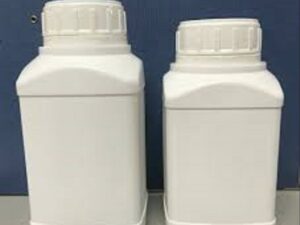
1 kg, 5 kg, 20 kg fluorinated HDPE drums under inert gas blanket
-
50 kg steel cylinders with CO headspace
-
Custom IBCs for bulk liquid delivery (temperature-controlled)
-
-
Shelf life: 12 months when stored below 0 °C in sealed, inert atmosphere; 6 months at 4–8 °C
3. Core Industrial Applications
-
Primary industries: Specialty chemicals, agrochemical intermediates, pharmaceutical precursors, polymer additives, and syngas conversion
-
Operational use cases:
-
Hydroformylation (oxo synthesis): Converts alkenes to aldehydes with high regioselectivity (n:iso ratio up to 10:1)
-
Carbonylation of alkyl halides: Produces carboxylic acids and esters
-
Synthesis of cobalt carbonyl-based catalysts for Pauson–Khand reactions in fine chemistry
-
-
Why better than alternatives:
-
Outperforms heterogeneous cobalt catalysts in homogeneous systems → faster reaction kinetics, lower temperature (60–100 °C vs. >150 °C)
-
More stable than cobalt salts under CO pressure → less cobalt waste and easier catalyst recovery
-
-
Commercial advantage: Enables 15–25% higher yield in aldehyde production vs. conventional rhodium systems at one-third the metal cost
4. Competitive Advantages
-
Quality consistency: Batch-to-batch purity variation <0.3%; ICP-OES and FTIR traceability per ISO 9001:2024
-
Supply reliability: Dedicated synthesis facility with 3 independent production lines; 99.2% on-time delivery rate over 24 months
-
Logistics capability: Temperature-controlled global shipping with real-time IoT monitoring; EXW, FOB, CIF available from EU and Asia hubs
-
Price competitiveness: Direct-from-manufacturer pricing with volume discounts; cobalt metal price index-linked contracts available
-
Sustainability: Recoverable catalyst systems with take-back program for cobalt reclamation; reduces raw material demand by up to 40%
-
Technical support: Full SDS, reaction optimization guide, and on-call process chemist support included with commercial orders
5. Commercial & Supply Information
-
Minimum order quantity (MOQ): 20 kg (HDPE drums)
-
Bulk capacity: 20 MT (metric tons) per bulk order
-
Loading capacity:
-
8 MT per 20-ft standard container (drummed, palletized)
-
16 MT per 40-ft high-cube container (temperature-controlled)
-
Reviews
There are no reviews yet.