
Description
1. Product Overview
Tungsten hexacarbonyl (W(CO)₆) is a high-purity organometallic compound essential for chemical vapor deposition (CVD) and atomic layer deposition (ALD) of tungsten thin films. Its primary industrial use lies in semiconductor manufacturing, specifically for barrier and seed layer formation in advanced logic and memory chips. The key value proposition is exceptional thermal stability and consistent tungsten precursor performance, enabling sub-5nm feature filling with minimal impurities. Strategically, as global demand for miniaturized electronics rises, reliable access to ultra-high-purity W(CO)₆ is a critical supply chain differentiator for fabs and coating specialists.
2. Key Specifications & Technical Characteristics
-
Chemical composition: Tungsten hexacarbonyl, W(CO)₆ (CAS 14040-11-0)
-
Purity level: 99.99% (4N) minimum; 99.999% (5N) available upon request
-
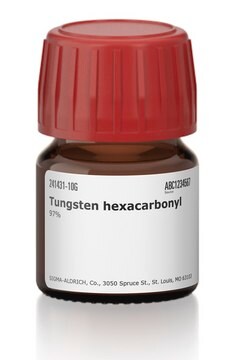
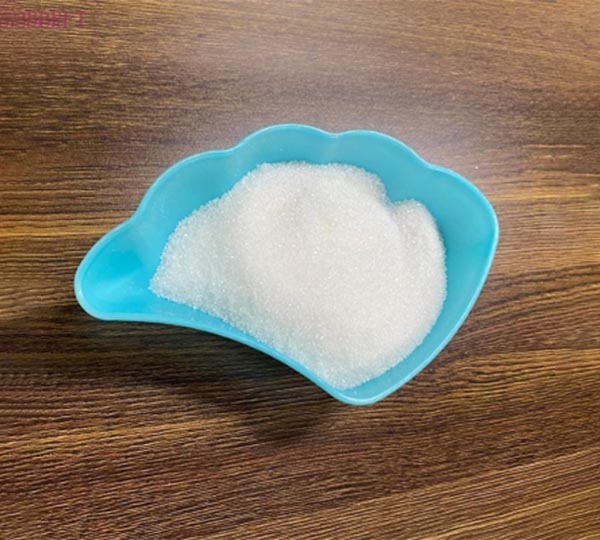
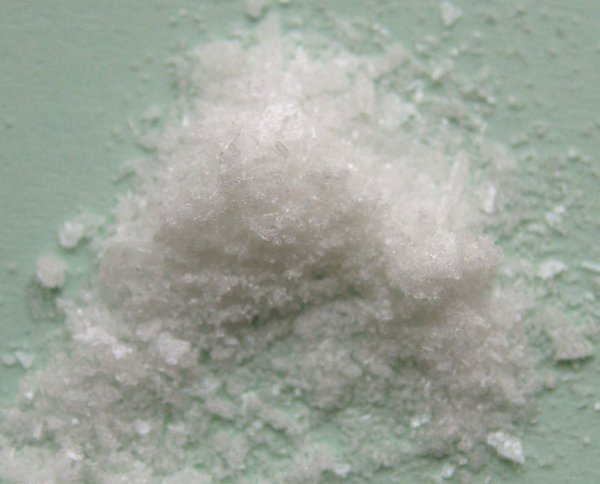
Physical characteristics: Colorless to pale yellow crystalline solid; sublimes at 50–60 °C (1 atm); particle size: 1–5 mm granules or custom-milled powder; density: 2.65 g/cm³
-
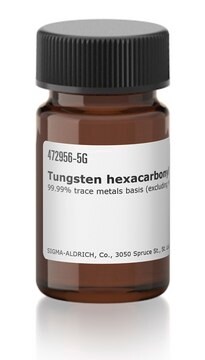
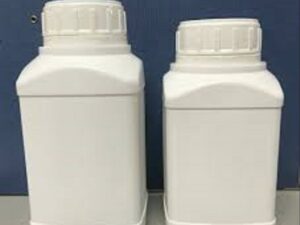
Packaging options: Hermetically sealed, inert-gas-purged glass ampoules (100 g, 500 g), stainless steel bubblers (1 kg, 5 kg), and drum-in-drum containment for bulk
-
Shelf life: 24 months from date of analysis when stored below 25 °C in original unopened packaging
3. Core Industrial Applications
-
Primary industries: Semiconductor fabrication, advanced coatings, metallization for aerospace electronics, and photovoltaic cell manufacturing
-
Specific operational use cases: CVD of tungsten nitride (WNₓ) diffusion barriers; ALD for conformal tungsten seed layers in DRAM and 3D NAND; thermal decomposition for high-purity tungsten metal films on silicon and glass substrates
-
Performance advantage over alternatives: Superior volatility compared to tungsten chlorides or fluorides – enables lower deposition temperatures (150–300 °C) with reduced particle formation. Results in smoother, lower-resistivity films and higher wafer yield.
-
Efficiency & cost advantage: Higher tungsten atom efficiency per cycle than organo-tungsten precursors, reducing precursor consumption by 15–20% in volume production.
4. Competitive Advantages
-
Quality consistency: ISO 9001:2025 certified; each batch analyzed via ICP-MS (metal impurities <10 ppm total) and FTIR (carbonyl integrity >99.5%)
-
Supply reliability: Dual-sourced synthesis (Europe & Asia) with safety stock held in three regional hubs; typical lead time 2 weeks for standard grades
-
Logistics capability: UN-approved dangerous goods packaging (Class 6.1, PG II) with real-time temperature tracking
-
Price competitiveness: Tiered pricing for contract volumes (1 MT+/year) – direct-from-manufacturer eliminates distributor markup
-
Sustainability & safety: Closed-loop solvent recovery in synthesis; full Safety Data Sheet (SDS) and REACH/UKCA/TSCA compliance documentation included
-
Technical support: Dedicated process engineers for deposition recipe optimization; certificate of analysis (CoA) with every shipment
5. Commercial & Supply Information
-
Minimum order quantity (MOQ): 500 g for 99.99% grade; 100 g for 99.999% grade
-
BULK 20MT loading capacity: 20 MT per 20-ft container (UN-certified fiber drums overpacked on pallets) – requires hazardous cargo stowage
-
MT per container (bulk): 20 metric tons net weight (approx. 7.55 m³ volume) per standard 20-ft refrigerated container maintained at ≤20 °C
Reviews
There are no reviews yet.