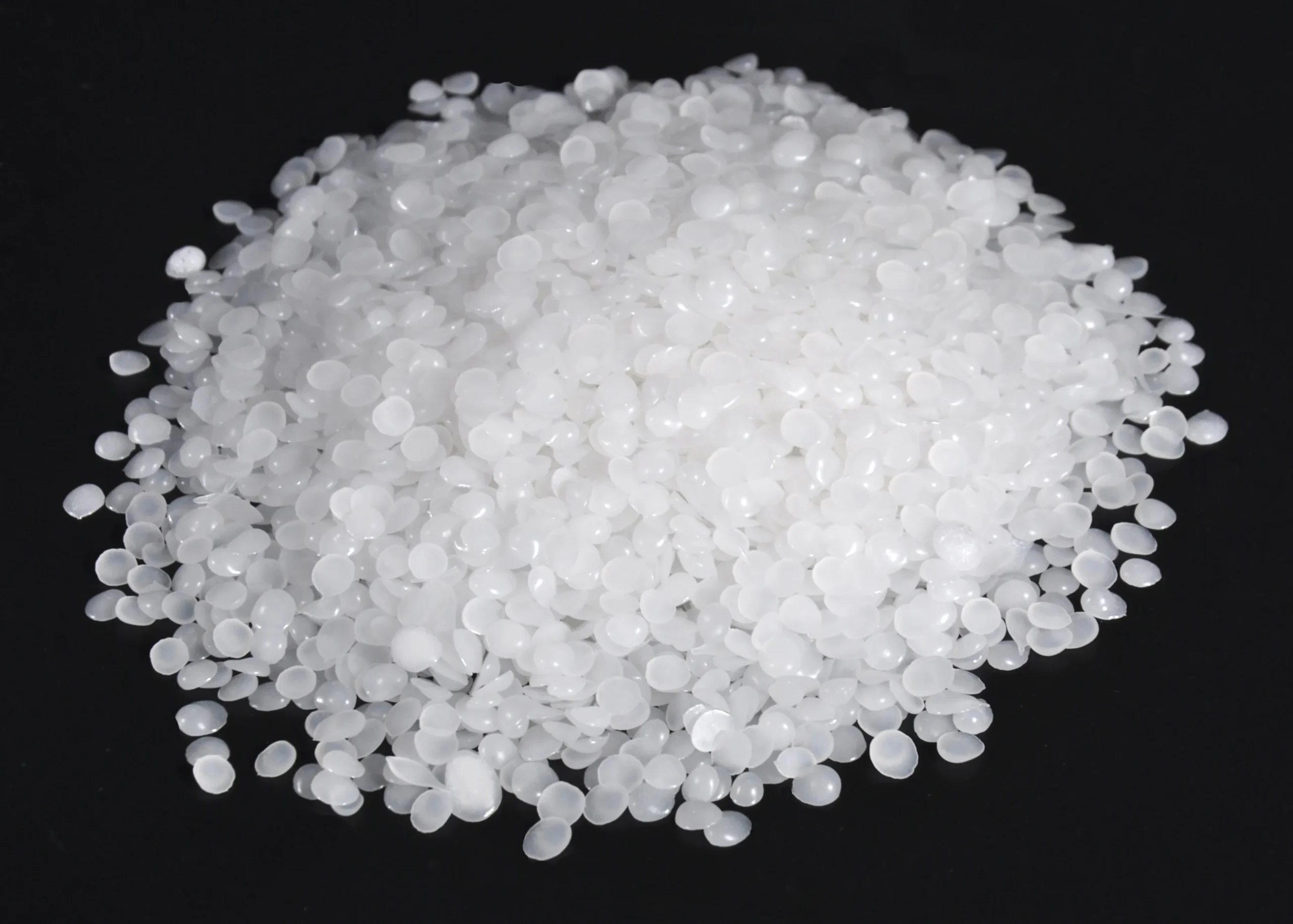
Polyethylene wax

£1.50

Overview of Polyethylene Wax

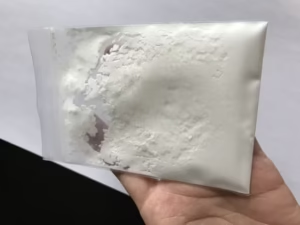
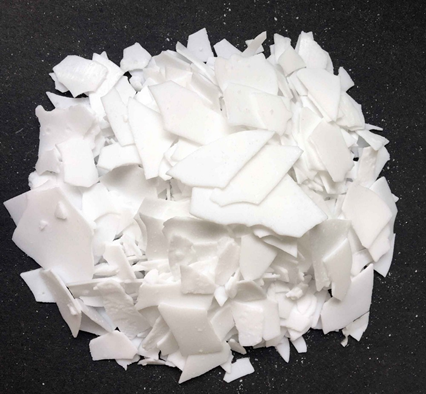
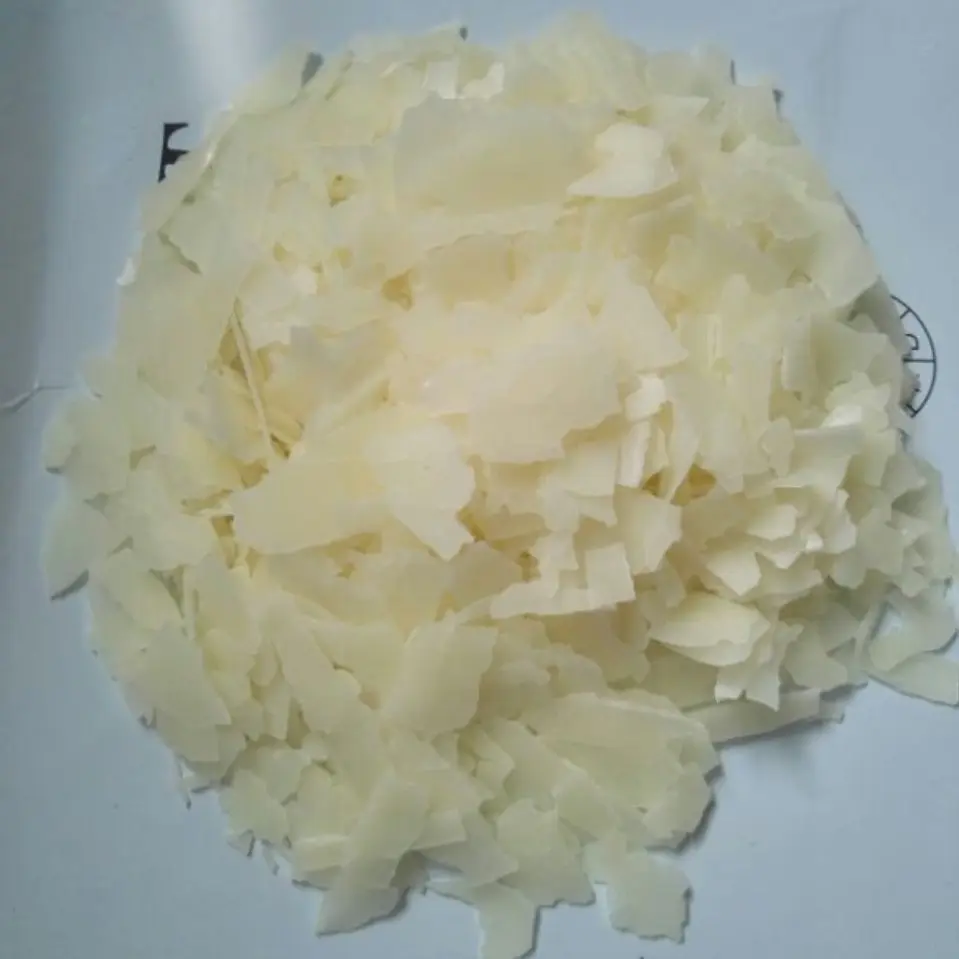
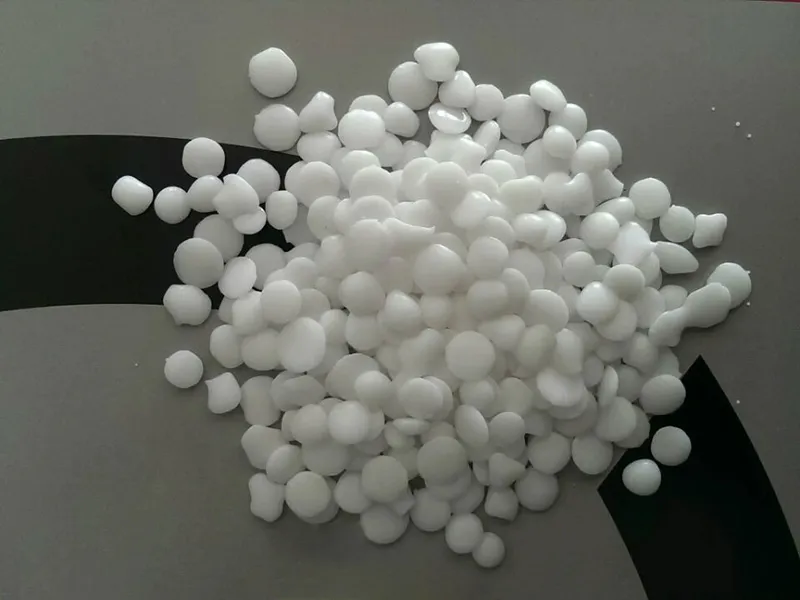
Polyethylene wax (PE wax) is a low molecular weight polyethylene that behaves like a wax. It is produced by polymerizing ethylene under controlled conditions to obtain a waxy, solid material that has a wax-like feel and a relatively high softening point. PE wax is typically supplied as white beads or flakes and is widely used as a lubricant, slip agent, and processing aid in plastics, coatings, inks, cosmetics, and hot melt systems.

Key characteristics

  • Composition: Low molecular weight polyethylene
  • Form: Beads or flakes (easy to dose and mix)
  • Appearance: White to light color
  • Melting range: Generally around 100–125°C, depending on grade
  • Density: Roughly in the 0.93–0.97 g/cm³ range
  • Compatibility: Excellent with polyolefins (PE, PP, sometimes EVA blends); good compatibility with many wax formulations
  • Stability: Good heat stability for many processing applications
  • Safety: Typically non-toxic and widely considered safe when used as directed

How it is produced

  • Primary method: Controlled polymerization of ethylene using specialized catalysts to obtain a low molecular weight polyethylene with wax-like properties
  • Alternative method: Fractionation or hydrocracking of high-density PE (HDPE) into low molecular weight waxy fractions
  • Grades: Various grades exist, differing in molecular weight, melt point, hardness, and color (natural to color-stable grades)

Types and typical grades

  • Raw PE wax beads/flakes: General-purpose wax for formulation work
  • White/bright PE wax: Lower color impurities for cosmetics and coatings
  • Oxidized PE wax: Contains functional groups to improve adhesion or compatibility in certain formulations
  • Low, medium, high molecular weight grades: Trade off between hardness, melt point, and melt viscosity

Common applications

  • In plastics and coatings
    • Acting as a slip/anti-block additive to improve surface gloss and processing
    • Reducing friction in extrusion and molding
    • Improving mold release and preventing sticking
  • In hot melt adhesives and coatings
    • Adjusting melt viscosity and open time
    • Enhancing gloss and mechanical properties
  • In cosmetics and personal care
    • Used in lip balms, creams, and other formulations as a waxy thickener or emollient (in approved, cosmetic-grade grades)
  • In inks, paper, and textiles
    • Additive to improve slip, reduce blocking, and improve processing

How to choose and use PE wax

  1. Define the target application
    • For plastics processing and slip: look for low to medium molecular weight PE waxes with appropriate melt point
    • For cosmetics or coatings: select cosmetic-grade or food-contact approved grades with suitable purity
  2. Consider the key properties
    • Melt point and softening point must align with your processing temperatures
    • hardness and viscosity to achieve desired rheology
    • color and oxidative stability for your formulation
  3. Check compatibility
    • Ensure the grade is compatible with your main resin or wax system (for example, polyolefin-rich systems)
  4. Evaluate processing impact
    • Assess effects on extrusion, molding, or coating equipment
    • Consider dosage levels typical for your formulation (often a few percent by weight, but this depends on grade and application)
  5. Safety and compliance
    • Use cosmetic-grade or food-safe grades if required
    • Follow all handling guidelines for dust, inhalation, and skin contact

Quick comparison: PE wax vs paraffin wax

  • Source: PE wax comes from polyethylene; paraffin wax comes from petroleum distillates
  • Melt point: PE wax typically ~100–125°C; paraffin wax ~46–70°C (varies by grade)
  • Structure: PE wax is polymeric; paraffin is hydrocarbon-based
  • Processing role: PE wax is a modern processing aid and slip additive for plastics; paraffin is common in candles, coatings, and some cosmetics
  • Compatibility: PE wax blends well with polyolefins; paraffin blends broadly with many wax systems
  • Recycling/biodegradability: PE wax is a plastic material; not biodegradable; manage waste accordingly

Practical tips

  • If you are formulating a plastic additive system, start with a low loading of PE wax (for example, 1–5%) and adjust based on slip, gloss, and processing behavior.
  • For cosmetic-grade uses, specify and source a PE wax grade that is explicitly labeled as suitable for cosmetics to ensure safety and regulatory compliance.
  • When requesting samples or quotes, specify your resin system, target melt temperature, desired hardness, and color requirements to get the most suitable grade.

Summary

Polyethylene wax is a versatile, low molecular weight polyethylene used as a wax-like processing aid and additive in a variety of materials. It offers good compatibility with polyolefins, higher melt points than many hydrocarbon waxes, and benefits such as improved slip, gloss, and processing stability. Always select grades based on the specific application, processing conditions, and regulatory needs.

If you share your exact application (e.g., plastics processing, cosmetics, inks), I can help you narrow down suitable PE wax grades and typical dosage ranges.

Description

1. What Exactly Is Polyethylene Wax?

At its core, polyethylene wax is a low‑molecular‑weight version of the ubiquitous polymer polyethylene (PE). While “regular” PE chains can stretch to millions of carbon atoms, PE wax typically contains 10 – 1000 repeat units, giving it a molecular weight (Mᵥ) in the range of 200 – 10 000 g·mol⁻¹.

Because the chains are short, the material is solid at room temperature but melts at relatively low temperatures (≈ 80 – 150 °C). The result is a soft, tacky, semi‑crystalline wax that combines the chemical resistance of polyethylene with the flexibility and lubricity of a conventional wax.

Quick‑look definition
Polyethylene wax = low‑molecular‑weight polyethylene, semi‑crystalline, low‑melting, highly versatile polymeric wax.


2. How Is PE Wax Produced?

There are three main industrial routes, each delivering a slightly different wax profile:

Method Typical Feedstock Reaction Conditions Key Features of the Wax
Low‑Pressure (LDPE) Cracking Ethylene (often from steam cracking) 60‑80 °C, 1–5 MPa, Ziegler‑Natta or metallocene catalyst Narrow molecular‑weight distribution, high density (0.92‑0.94 g·cm⁻³), excellent oxidative stability
High‑Pressure (HDPE) Cracking Ethylene or natural‑gas liquids 200‑300 °C, 30‑70 MPa, free‑radical mechanism Broader distribution, lower density (0.90‑0.92 g·cm⁻³), higher melt flow index
Polymer‑Derived (PE‑Based) Wax Post‑consumer or virgin LD/HDPE waste (recycling) Controlled pyrolysis or melt‑blending, often followed by fractionation Sustainable, customizable melt point, can embed additives directly during extrusion

Metallocene catalysts have become especially popular because they allow precise tuning of chain length and branching, giving manufacturers the ability to “design‑by‑property” a wax for a specific end‑use.


3. Signature Properties That Make PE Wax Special

Property Typical Value Why It Matters
Melt Flow Index (MFI) 5‑500 g/10 min (210 °C, 2 kg) Indicates processability – high MFI waxes flow easily into inks, coatings, or extrusion streams
Density 0.90‑0.94 g·cm⁻³ Determines the wax’s buoyancy and compatibility with other polymers
Hardness (Shore D) 30‑70 Balances tackiness and wear resistance in applications like polishes
Water/Oil Repellency Contact angle > 90° Critical for packaging films and surface‑treating agents
Chemical Resistance Stable to acids, bases, solvents Guarantees long‑term performance in harsh environments (e.g., lubricants, coatings)
Low Odor & Non‑Toxic Meets REACH & FDA requirements Enables use in food, cosmetics, and medical devices

Because PE wax is entirely hydrocarbon‑based, it is inert, non‑reactive, and compatible with most other polymers (polyethylene, polypropylene, PVC, PET, etc.). This miscibility is a key driver for its role as a compatibilizer or processing aid in polymer blends.


4. Where Is Polyethylene Wax Used?

4.1. Plastics & Polymer Processing

Application How PE Wax Helps
Extrusion aids (e.g., in PE/PP films) Reduces melt viscosity → lower screw torque, better heat transfer, smoother surfaces
Impact modifiers Improves toughness of rigid plastics by creating a micro‑cavitation network
Anti‑block agents Prevents film layers from sticking together in packaging
Slip agents Lowers coefficient of friction on molded parts, facilitating ejection from molds

4.2. Coatings, Inks & Paints

  • Industrial coatings – Provides gloss, flexibility, and weather resistance.
  • Printing inks – Improves flow on high‑speed presses and enhances rub resistance.
  • Wood finishes & furniture polishes – Gives a silky feel and water‑repellent surface.

4.3. Lubricants & Release Agents

  • Metalworking fluids – Acts as a thickening and anti‑wear component.
  • Mold release agents – Prevents adhesion of rubber, silicone, and thermoplastic composites to tooling.

4.4. Personal Care & Cosmetics

  • Lipsticks, balms, and creams – Supplies a smooth, non‑sticky base and helps lock in fragrance.
  • Hair care products – Offers slip and conditioning without greasiness.

4.5. Food & Pharmaceutical Packaging

Because PE wax meets stringent food‑contact regulations, it is frequently blended into PE films, pouches, and blister packs to enhance sealability and moisture barrier performance.


5. Sustainability Angle – Why PE Wax Is “Green” (When It’s Green)

Sustainable Feature Impact
Recycled‑Feedstock Wax Using post‑consumer PE as a raw material cuts virgin fossil feedstock demand.
Low Energy Processing Lower melt temperatures (≤ 150 °C) mean less electricity in extrusion or coating operations.
Long Service Life The chemical inertness of PE wax extends product lifetimes, reducing waste.
Biodegradability? Pure PE wax is not biodegradable, but it can be combined with biodegradable polymers to create compostable blends.

The key takeaway: the environmental profile of PE wax hinges on its source and end‑use. Companies that source from recycled streams and design for recyclability can claim a notably lower carbon footprint.


6. Market Snapshot – Where Are We Headed?

  • Global demand: Estimated at ≈ 2.5 Mt in 2023, with a projected CAGR of 4–5 % through 2030.
  • Regional drivers:
    • Asia‑Pacific – Fast‑growing packaging and automotive sectors.
    • Europe – Stricter REACH regulations boosting demand for low‑odor, non‑toxic waxes.
  • Emerging niches: 3‑D printing (as a rheology modifier), renewable‑energy equipment (wind‑turbine gearboxes), and electric‑vehicle battery manufacturing (where PE wax is used as a binder in electrode slurry formulations).

7. Choosing the Right PE Wax for Your Application

  1. Define the target melt temperature – Low‑melting wax (≈ 80 °C) for cosmetics; high‑melting (≈ 150 °C) for polymer processing.
  2. Check the molecular‑weight distribution – Narrow distribution → uniform performance; broader distribution → cost‑effective bulk use.
  3. Match the density – Higher density improves compatibility with HDPE blends; lower density works better with PP.
  4. Consider additive compatibility – If you need color, UV‑stabilizers, or anti‑oxidants, select a wax that can be pre‑masterbatted or that already contains these additives.

Pro tip: Run a small‑scale melt‑flow test (e.g., ASTM D1238) before committing to a full‑scale production run. It’s the fastest way to verify that the chosen wax will deliver the expected processing torque and surface finish.


8. Bottom Line

Polyethylene wax may sound like a niche polymer, but its versatility, chemical robustness, and tunable properties make it a cornerstone material across a spectrum of industries—from everyday cosmetics to high‑performance automotive components.

Whether you’re a formulation chemist looking for a low‑odor slip agent, a packaging engineer seeking a sustainable anti‑block additive, or a product manager scouting for a recyclable, cost‑effective processing aid, PE wax offers a “one‑size‑fits‑many” solution—provided you pick the right grade and source.

Reviews

There are no reviews yet.

Be the first to review “Polyethylene wax”

Your email address will not be published. Required fields are marked *

Add to cart