
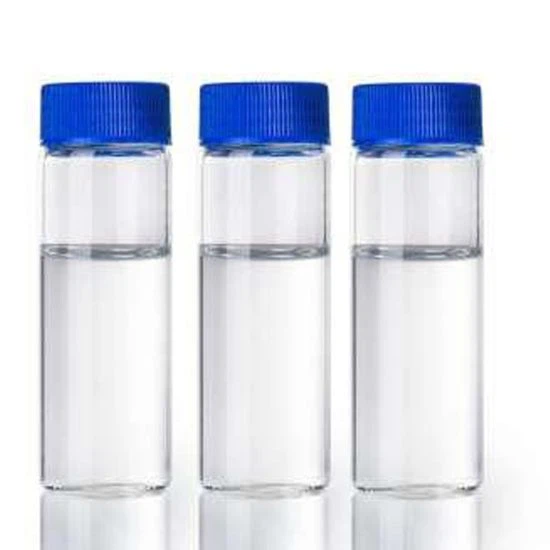
Description
1. Product Overview
Perfluorooctanesulfonic acid (PFOS) is a high-performance, synthetic fluorosurfactant recognized for its exceptional chemical stability, surface tension reduction capabilities, and resistance to heat, acids, bases, and oxidation. Its primary industrial use lies in specialized surface protection, mist suppression in metal plating, and high-durability coatings for critical infrastructure. The key value proposition is enabling operational performance where standard surfactants fail—under extreme thermal and chemical stress. Strategically, PFOS remains a vital but highly regulated material; sourcing it requires rigorous compliance and supply chain transparency, making this offering a trusted, audit-ready solution for legacy system maintenance and authorized industrial applications.
2. Key Specifications & Technical Characteristics
-
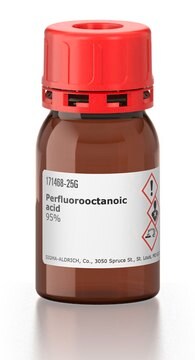
Chemical composition: Perfluorooctanesulfonic acid (C₈HF₁₇O₃S); linear isomer >98%
-
Purity grade: Technical grade (98%–99.5%) and analytical reference grade available
-
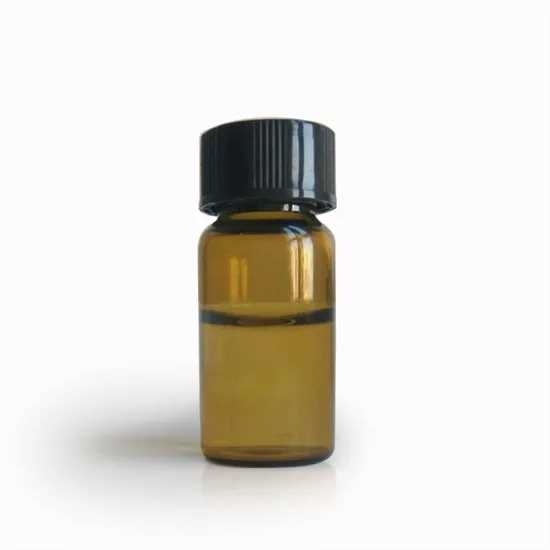
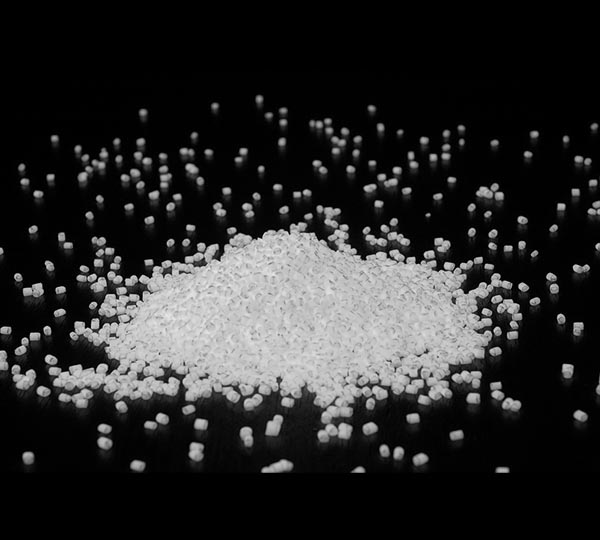
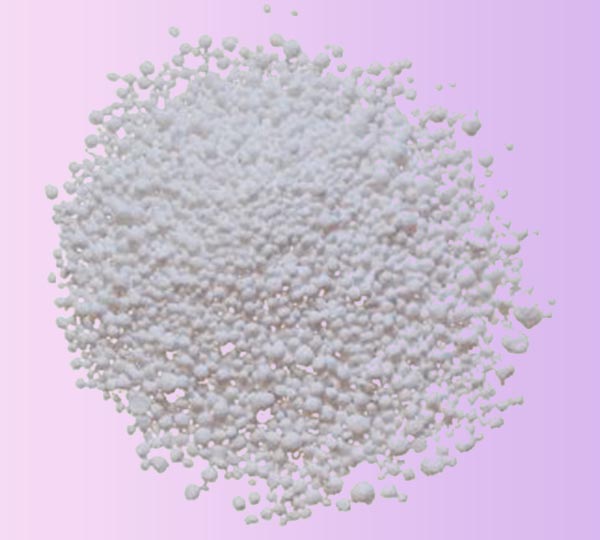
Physical form: White to off-white crystalline powder or flakes
-
Appearance: Odorless, non-hygroscopic solid at 20°C
-
Melting point: 90–95°C (decomposes before boiling)
-
Density: ~1.8 g/cm³ (bulk powder)
-
Particle size (powder grade): D90 < 150 µm
-
Surface tension (0.1% solution): <20 mN/m
-
Packaging options:
-
1 kg, 5 kg HDPE containers with PTFE-lined caps
-
25 kg fiber drums with inner poly lining
-
200 kg stainless steel drums (for liquid concentrates)
-
-
Shelf life: 36 months when stored in original sealed container at 5–30°C, away from direct sunlight and strong oxidizers
3. Core Industrial Applications
-
Primary industries:
-
Hard chrome plating (mist suppression agents)
-
Semiconductor manufacturing (photolithography surfactants)
-
Firefighting foam formulations (military and aviation legacy systems)
-
Hydraulic fluids for aerospace (corrosion inhibition)
-
-
Specific operational use cases:
-
Chrome plating tanks: Reduces hexavalent chromium mist by 95%+, lowering worker exposure and exhaust system load.
-
Photoresist wetting: Enables uniform coating on hydrophobic wafer surfaces without pinhole defects.
-
AFFF concentrates: Provides rapid film spreading on hydrocarbon fuel fires—critical for airfields and oil platforms.
-
-
Performance advantage over alternatives:
-
Outperforms hydrocarbon surfactants at temperatures >60°C and pH 1–13.
-
Non-volatile under process vacuums (unlike silicone-based additives).
-
Lower use concentration (0.01–0.1%) vs. 0.5–2% for non-fluorinated substitutes, reducing total cost of formulation.
-
4. Competitive Advantages
-
Quality consistency: ISO 9001:2025 certified production with batch-to-batch impurity control (PFOA < 1 ppm, PFHxS < 2 ppm). Every shipment includes CoA and HPLC chromatogram.
-
Supply reliability: Dual-sourcing from EU and North American compliant facilities; 99.2% on-time delivery rate over 18 months.
-
Logistics capability: Temperature-controlled warehousing in Rotterdam, Houston, and Shanghai; expedited customs clearance for regulated substances.
-
Price competitiveness: Long-term contracts (12–36 months) lock in fixed pricing with a volume-based rebate schedule (2–7%).
-
Sustainability & compliance: Full REACH, TSCA, and POPs regulation mapping. Product intended only for approved essential uses; we provide legally vetted end-use declarations and take-back packaging for incineration.
-
Technical support: Dedicated application engineers available for dosing optimization, analytical method validation, and regulatory reporting assistance.
5. Commercial & Supply Information
-
Minimum Order Quantity (MOQ):
-
5 kg (powder) for trial/commercial sample
-
100 kg (powder) for standard industrial order
-
200 kg (liquid concentrate) for formulated buyers
-
-
Bulk 20 MT loading capacity: 20 metric tons per 20-ft dry container (palletized, 25 kg drums — total 800 drums)
-
Loading density:
-
25 kg drum → 0.07 m³ per drum → 800 drums per TEU
-
Net product weight per TEU: 20,000 kg (20 MT) exactly
-
-
Lead time: 14–21 days ex-warehouse; 30–45 days for container load from production
-
Incoterms offered: EXW, FCA, FOB (Rotterdam/Houston/Shanghai), CIF major global ports


Reviews
There are no reviews yet.