
Description
1. Product Overview
Polyvinylpyrrolidone iodide (PVP-Iodine) is a high-performance, sustained-release complex of iodine complexed with PVP K30, designed for advanced disinfection, antisepsis, and surface protection. Its primary industrial use spans pharmaceutical manufacturing, animal health, water treatment, and industrial surface sanitation, where controlled iodine release is critical. The key value proposition is superior microbiocidal efficacy combined with reduced toxicity and staining compared to free iodine solutions. Strategically, this product is essential for global supply chains requiring regulatory-compliant, stable, and scalable biocidal actives.
2. Key Specifications & Technical Characteristics
-
Chemical composition: Polyvinylpyrrolidone (PVP K30) – iodine complex; available iodine content 9.0%–12.0% (typically 10% w/w)
-
Purity / Grade: Pharmaceutical grade (EP/USP/BP compliant), also available in technical/industrial grade
-
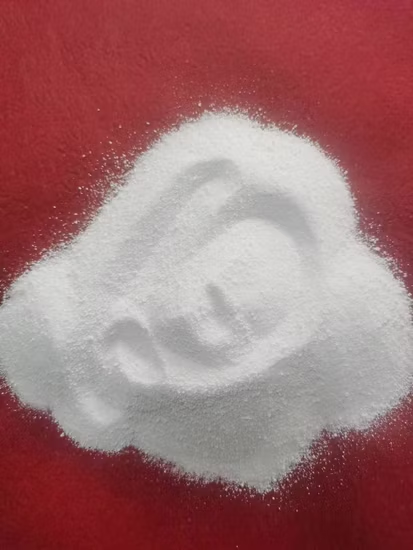
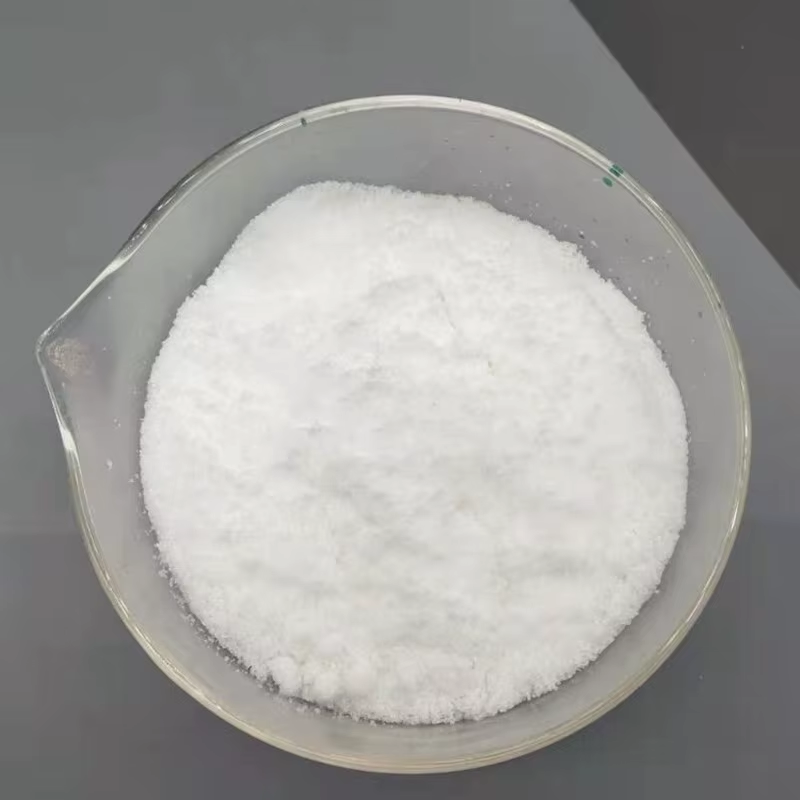
Physical characteristics: Amorphous, hygroscopic powder; yellowish-brown to orange-brown color; particle size 100% through 40 mesh; bulk density 0.45–0.65 g/cm³
-
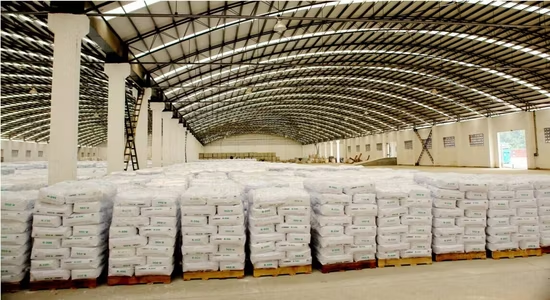
Packaging options: 25 kg fiber drums with PE liner; 50 kg HDPE pails; 500 kg bulk FIBC bags; custom moisture-barrier packaging upon request
-
Shelf life: 36 months from manufacture when stored in original sealed packaging at 15–25°C, away from light and moisture
3. Core Industrial Applications
-
Primary industries: Pharmaceuticals, animal health, water treatment, industrial hygiene, food processing equipment sanitation
-
Operational use cases:
-
Pharmaceutical: Active ingredient in topical antiseptics, surgical scrubs, and wound care formulations (solution, ointment, spray)
-
Animal health: Udder washes, hoof disinfectants, and veterinary surgical prep
-
Water treatment: Cooling towers, process water, and aquaculture disinfection (biofilm control)
-
Industrial surface: CIP (clean-in-place) sanitation for food & beverage lines
-
-
Why it performs better than alternatives: Unlike chlorine or peracetic acid, PVP-iodine maintains residual antimicrobial activity for hours; non-corrosive to stainless steel and plastics; lower skin irritation than tincture iodine.
-
Efficiency / cost advantage: One complex can serve multiple formulations (liquid, powder, gel), reducing inventory complexity. Sustained release means lower dosing frequency in continuous water treatment systems.
4. Competitive Advantages
-
Quality consistency: ISO 9001:2015 and GMP-certified production; each batch tested for available iodine, free iodine, loss on drying, and heavy metals (NMT 20 ppm)
-
Supply reliability: Dual-sourced raw materials with 24/7 temperature-controlled warehousing; 98% on-time-in-full (OTIF) track record
-
Logistics capability: Global distribution hubs (Asia, Europe, North America); dangerous goods shipping classification (UN 3082, Class 9) handled in-house
-
Price competitiveness: Direct from manufacturer with no minimum annual commitment; pricing tied to iodine market index with transparent quarterly adjustments
-
Sustainability: Reduced iodine waste versus liquid formulations; packaging recyclable; manufacturing process achieves >92% iodine utilization efficiency
-
Technical support: Full regulatory dossier access (DMF, COA, MSDS, stability study reports); dedicated formulation chemist for custom solubility or blending requirements
5. Commercial & Supply Information
-
Minimum order quantity (MOQ): BULK 20MT (20 metric tons) per product grade and specification
-
Loading capacity (MT per container):
-
20 ft dry container: 16–18 MT (dependent on drum/pail stacking configuration)
-
40 ft dry container: 26–28 MT
-
Bulk FIBC in 20 ft container: 20 MT exactly
-


Reviews
There are no reviews yet.