
Description
1. Product Overview
Polyglycolic acid (PGA) is a high-crystallinity, biodegradable aliphatic polyester engineered for high-performance industrial and medical applications requiring rapid degradation and exceptional mechanical strength. Primarily used in oil & gas hydraulic fracturing as dissolvable frac plugs, downhole tools, and advanced surgical sutures, PGA delivers a strategic advantage where temporary structural integrity followed by complete, predictable resorption is mission-critical. As regulatory and operational pressures accelerate demand for intervention-free well completion and sustainable material solutions, PGA stands as the market’s gold standard for controlled-life engineering polymers.
2. Key Specifications & Technical Characteristics
-
Chemical composition: Homopolymer of glycolic acid (CAS 26009-03-0)
-
Purity level: ≥ 99.5% (industrial grade) / medical grade available upon request
-
Physical form: White to off-white crystalline pellets, granules, or fine powder
-
Particle size: 0.5–3 mm (pellets); 100–500 µm (powder grade)
-
Bulk density: 700–850 kg/m³
-
Melting point: 220–230°C
-
Glass transition temperature (Tg): 35–40°C
-
Tensile strength: > 90 MPa
-
Hydrolysis rate: Complete degradation in 3–6 months (aqueous environment, 80–120°C)
-
Moisture content: < 0.1% (dry packaging required)
-
Packaging options: 25 kg moisture-barrier aluminum-lined bags; 500 kg FIBC super sacks; 20 kg vacuum-sealed medical-grade drums
-
Shelf life: 12 months in sealed, dry, cool (<30°C) storage
3. Core Industrial Applications
-
Oil & Gas (Downhole Completion): Dissolvable frac plugs, ball sealers, and bridge plugs. PGA outperforms magnesium alloys in high-temperature wells (120°C+) by degrading cleanly without insoluble metal residues, eliminating costly milling operations and reducing non-productive time by up to 40%.
-
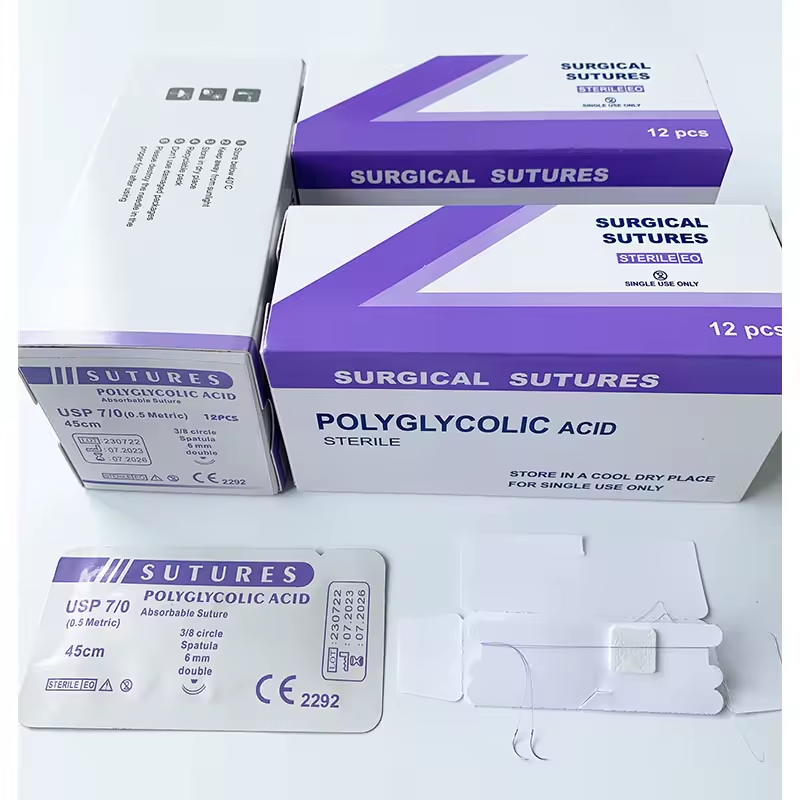
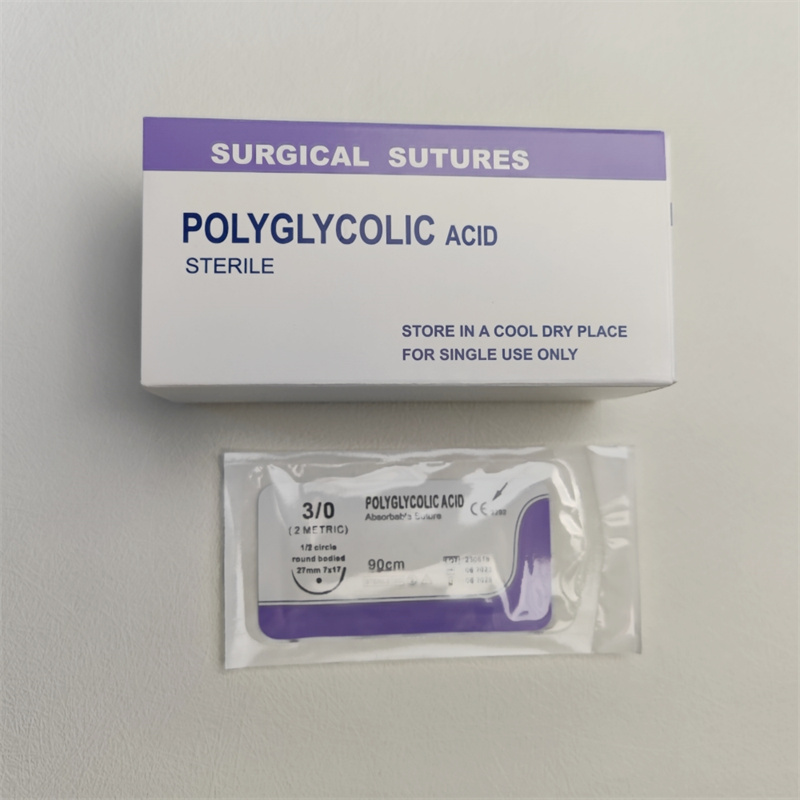
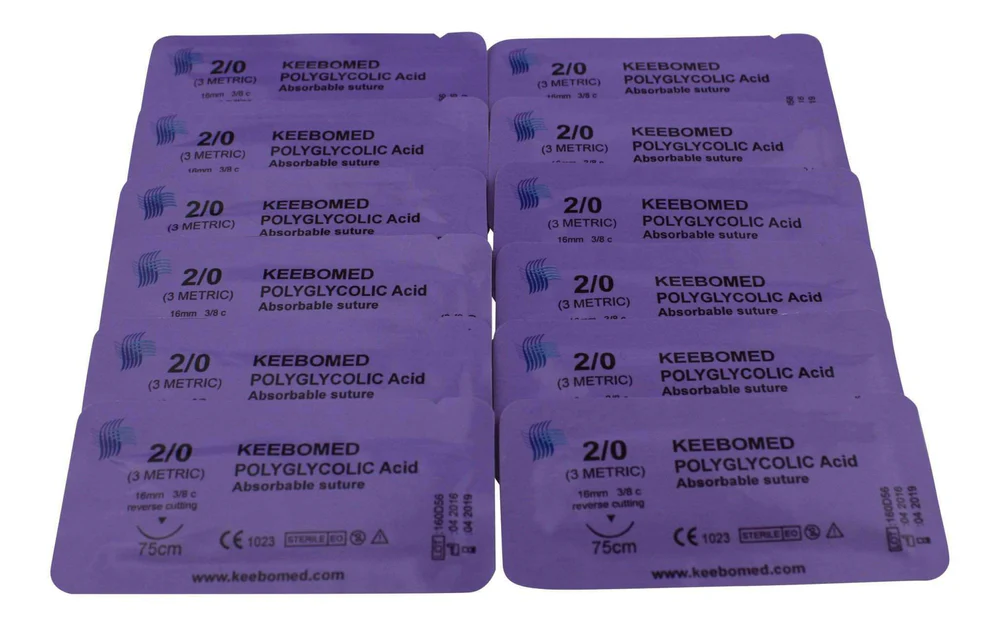
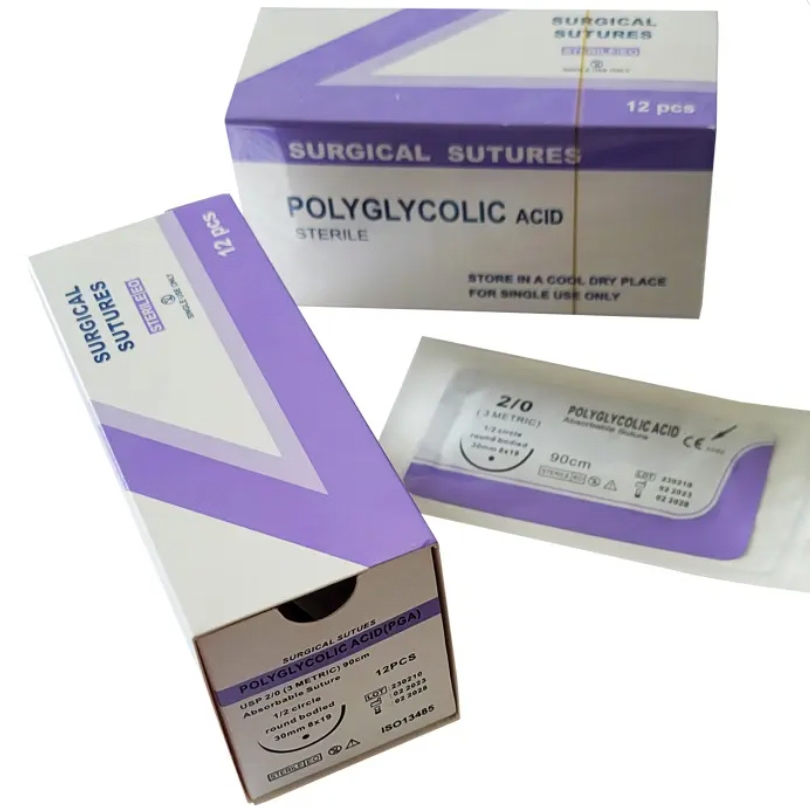
Medical & Surgical: Absorbable sutures, surgical meshes, and drug delivery scaffolds. PGA offers superior initial knot strength and predictable 60–90 day absorption compared to polydioxanone, minimizing tissue reactivity and secondary removal procedures.
-
Packaging (High-Barrier Films): Short-life compostable liners and agricultural mulch films. PGA provides oxygen barrier performance 5× better than EVOH under humid conditions, directly competing with PVDC without chlorinated disposal issues.
-
Industrial Tooling: Temporary fasteners and dissolvable hydraulic fracturing balls. Cost advantage over polylactic acid (PLA) in high-temperature, high-moisture environments where PLA softens prematurely.
4. Competitive Advantages
-
Quality consistency: ISO 13485 (medical) and API Q1 (oil & gas) certified production; each batch validated via GPC for molecular weight distribution and intrinsic viscosity (IV 0.8–1.6 dL/g).
-
Supply reliability: Dual-source manufacturing in Asia and North America; 10,000 MT annual capacity with 24/7 buffer stock at regional hubs.
-
Logistics capability: Temperature-controlled container shipping (15–25°C) with real-time humidity monitoring; expedited door-to-door delivery within 10–14 days globally.
-
Price competitiveness: Volume-driven pricing 15–20% below European specialty polymer producers, with long-term fixed-price contracts available.
-
Environmental benefit: 100% marine-biodegradable (ASTM D6691) and industrial compostable (EN 13432); reduces downhole chemical footprint and surface disposal costs.
-
Technical support: Full material data sheets (TDS, MSDS), hydrolysis modeling for specific downhole conditions, and on-call polymer engineering support.
5. Commercial & Supply Information
-
Minimum order quantity (MOQ): 20 MT (industrial grade) / 1 MT (medical grade, subject to quality agreement)
-
Bulk 20MT loading capacity per 20FT container: 20 MT net (pellets, 25 kg bags palletized)
-
Lead time: 4 weeks from P.O. confirmation (industrial grade); 8 weeks (medical grade with sterilization validation)
-
Incoterms supported: CIF, FOB, EXW
-
Payment terms: Letter of credit (L/C) at sight or 30% advance + 70% against BL copy for qualified buyers


Reviews
There are no reviews yet.