
Description
- Product Overview
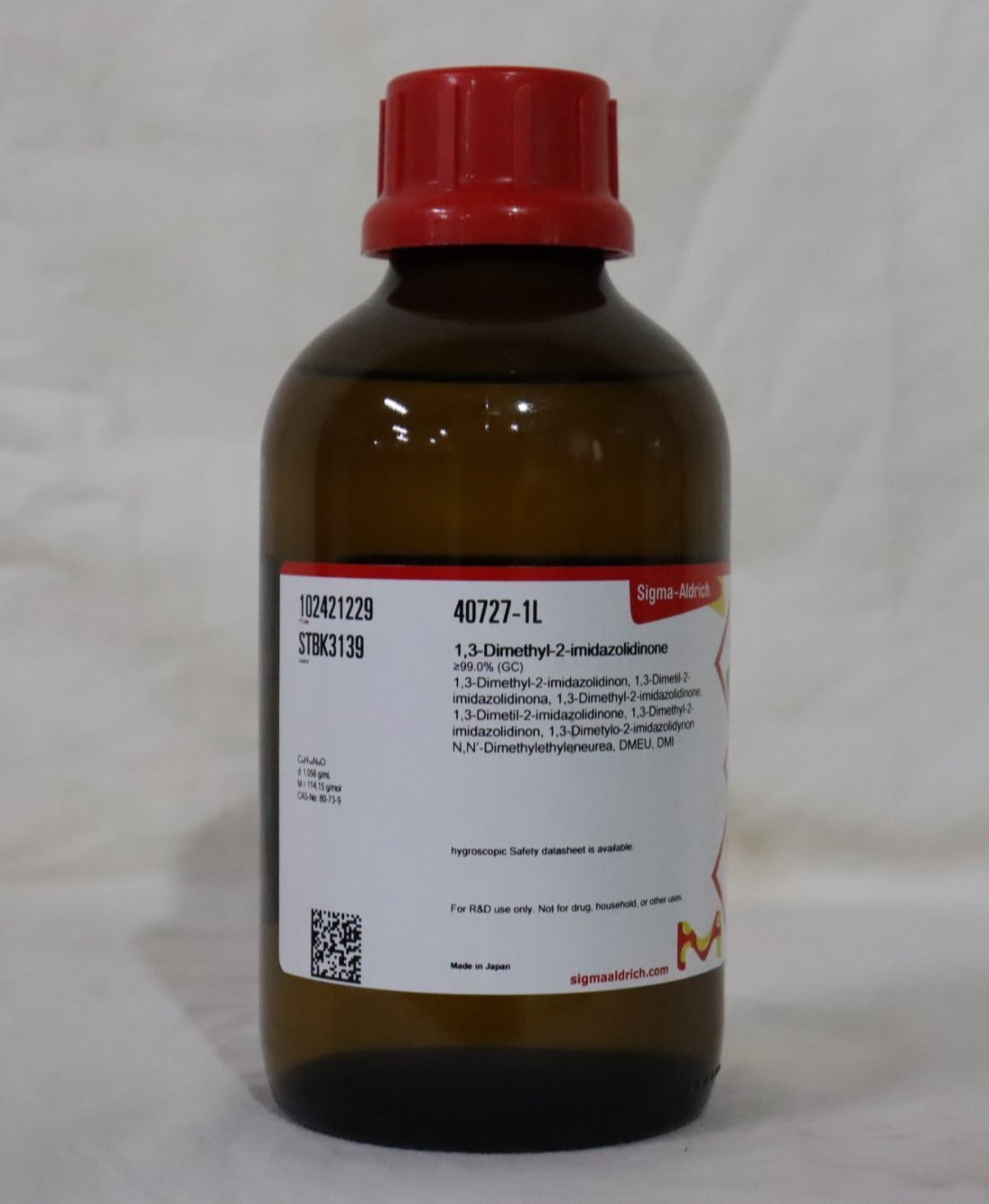
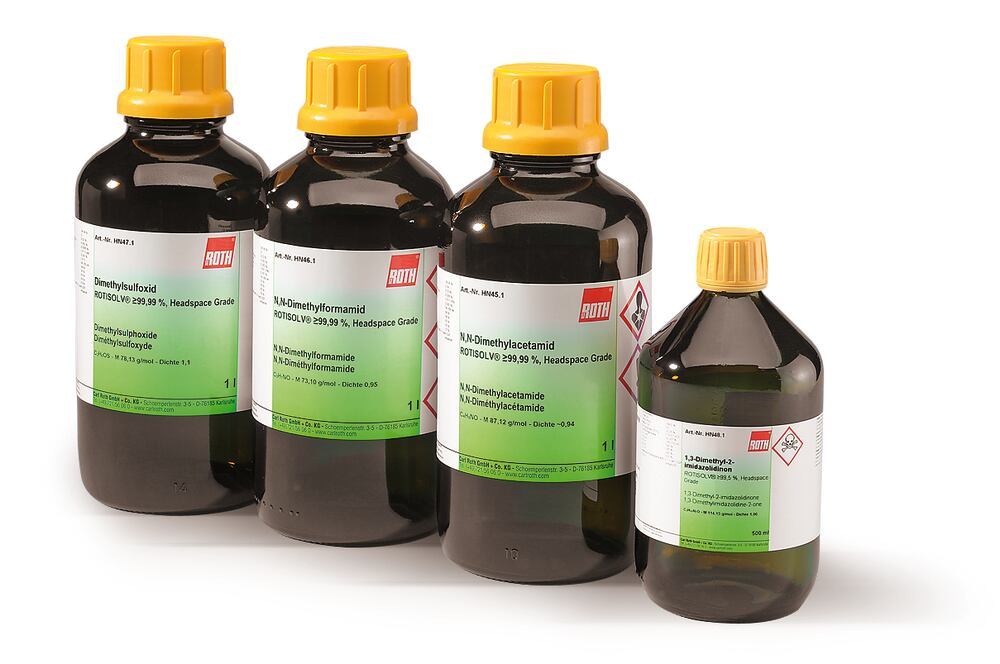
1,3-Dimethyl-2-imidazolidinone (DMI) is a high-performance, polar aprotic organic solvent widely recognized for its exceptional thermal stability and strong solvating capability. It is primarily used in advanced chemical synthesis, polymer processing, and high-end industrial formulations where conventional solvents fail to deliver required performance. The product offers superior solubility for both inorganic salts and organic compounds, making it a critical enabling material in demanding reaction environments. Its strategic importance lies in its ability to enhance reaction efficiency, improve yield, and support next-generation chemical manufacturing processes. - Key Specifications & Technical Characteristics
- Chemical Name: 1,3-Dimethyl-2-imidazolidinone (DMI)
- Molecular Formula: C5H10N2O
- Purity Level: ≥ 99.5% (industrial grade / electronic & pharmaceutical grade available upon request)
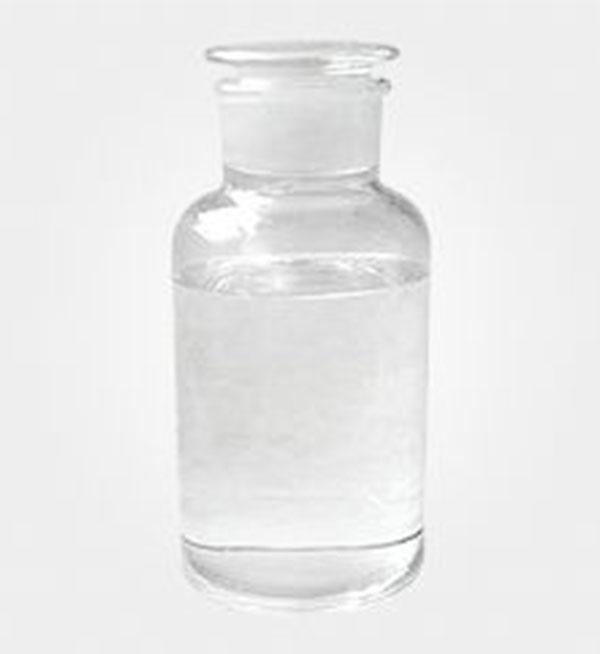
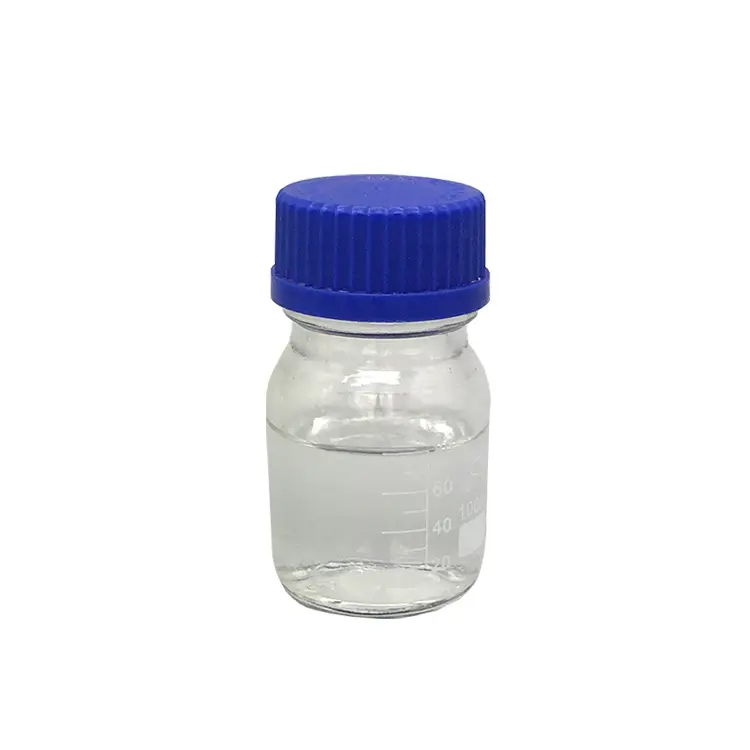
- Physical Form: Clear, colorless to slightly yellow liquid
- Odor: Mild amine-like
- Density: ~1.06 g/cm³ at 25°C
- Boiling Point: ~224–226°C
- Solubility: Fully miscible with water and most organic solvents
- Packaging Options: 200L steel drums, 1000L IBC tanks, ISO tank containers
- Shelf Life: 24 months under recommended storage conditions (cool, dry, sealed container)
- Core Industrial Applications
DMI is extensively utilized across high-value industrial sectors including pharmaceuticals, fine chemicals, agrochemicals, and advanced polymer production. In pharmaceutical synthesis, it serves as a reaction medium for complex organic transformations requiring high polarity and thermal resistance. In polymer chemistry, it functions as a processing solvent for high-performance materials such as polyimides and specialty resins. Its superior solvating power enables faster reaction kinetics, improved product selectivity, and reduced processing inefficiencies compared to conventional solvents such as DMF or NMP. These advantages make it a preferred choice for precision-driven manufacturing environments. - Competitive Advantages
- High purity consistency ensuring reproducible industrial performance
- Reliable bulk supply chain supporting continuous manufacturing operations
- Strong global logistics capability for drums, IBCs, and ISO tank shipments
- Competitive pricing structure for large-volume procurement contracts
- Environmentally favorable profile compared to more toxic amide-based solvents
- Comprehensive technical documentation and quality assurance support (COA, SDS, TDS)
- Proven performance in high-temperature and high-polarity reaction systems
- Commercial & Supply Information
- Minimum Order Quantity (MOQ): BULK 20MT
- Loading Capacity: 20–22 MT per 20ft ISO tank container (or equivalent bulk liquid shipment configuration)



Reviews
There are no reviews yet.