


Description
- Product Overview
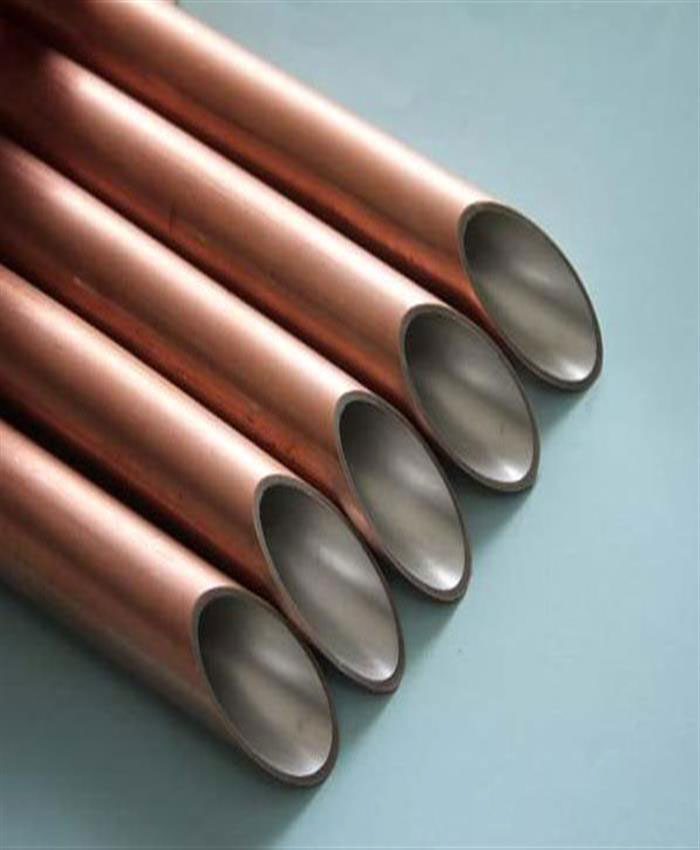
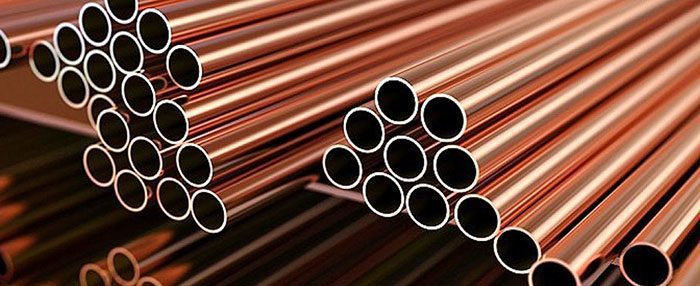
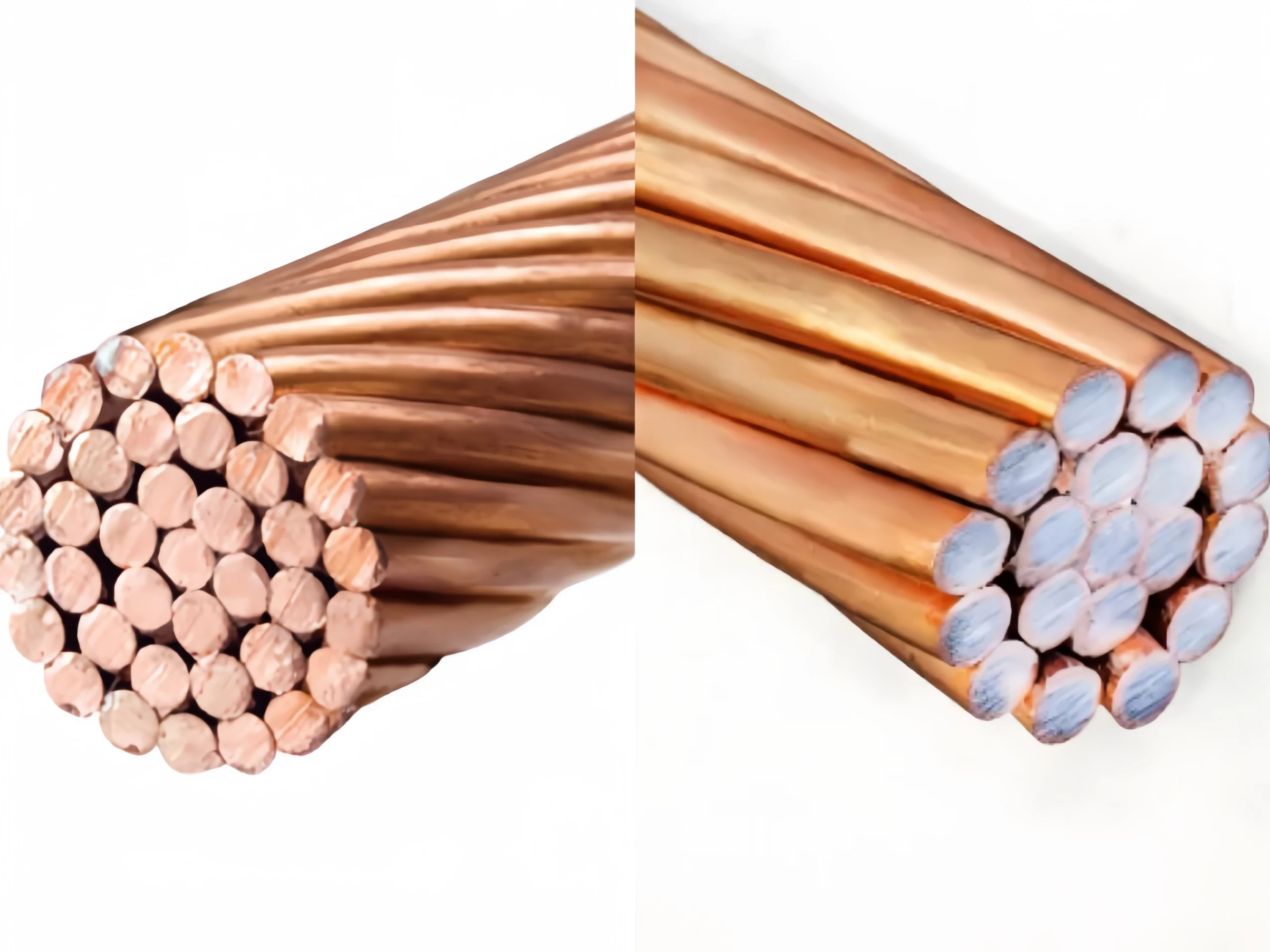
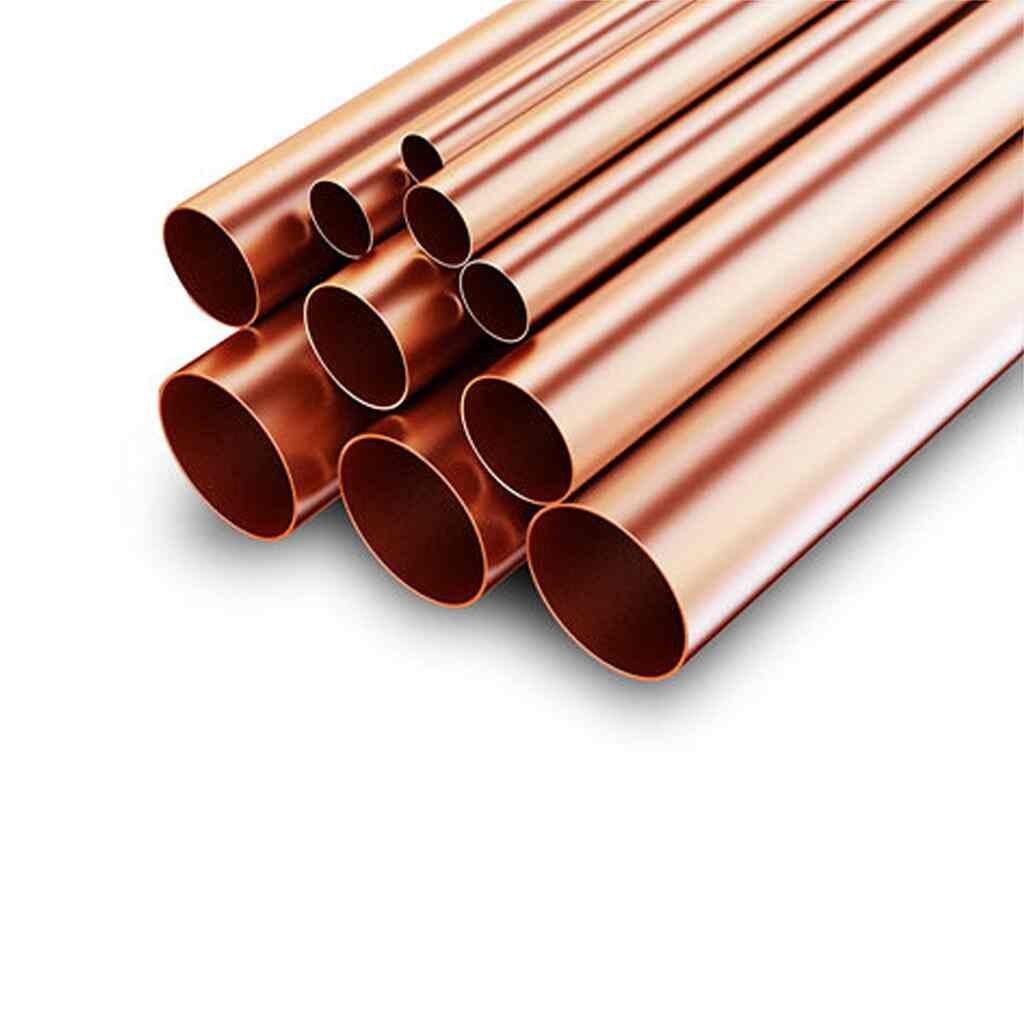
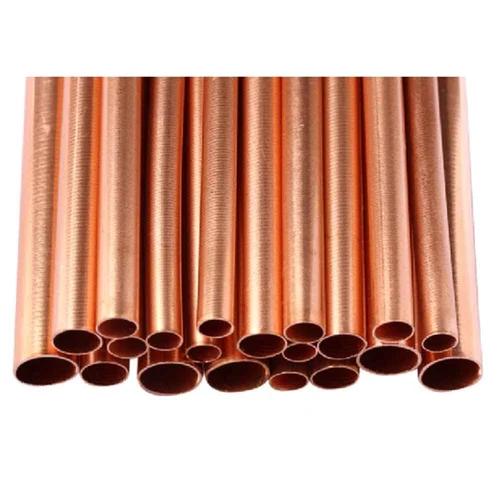
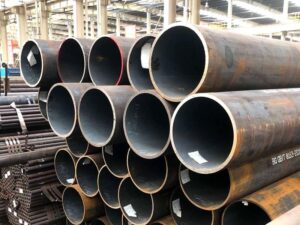
Copper-Coated Steel Pipes are high-performance hybrid pipes engineered with a robust carbon steel core and a precision-applied copper coating for enhanced conductivity and corrosion resistance. They are widely used across industrial fluid transport, HVAC systems, electrical grounding, and heat exchange applications where durability and performance stability are critical. The key value proposition lies in combining the mechanical strength of steel with the anti-corrosive and conductive properties of copper. This makes them strategically important for industries seeking long service life, reduced maintenance costs, and improved system efficiency in demanding environments. - Key Specifications & Technical Characteristics
- Base Material: Carbon Steel (ASTM A106 / API 5L equivalent grades)
- Coating Material: High-purity electrolytic copper layer
- Copper Purity: ≥ 99.9%
- Copper Coating Thickness: 10–50 microns (customizable)
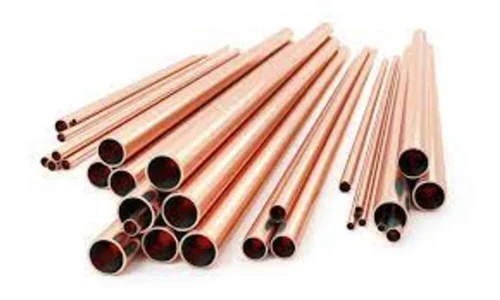
- Outer Diameter: 10 mm – 610 mm (customizable range)
- Wall Thickness: SCH 10 – SCH 80 / custom specs available
- Surface Finish: Smooth copper-coated, anti-oxidation treated
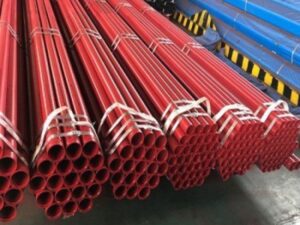
- Packaging: Bundled, steel strapped, seaworthy export packaging
- Shelf Life: Indefinite under dry, corrosion-free storage conditions
- Core Industrial Applications
Copper-Coated Steel Pipes are extensively used in oil & gas transport systems, HVAC and refrigeration networks, electrical grounding and earthing systems, and industrial heat exchangers. They are also deployed in marine, construction, and chemical processing environments where corrosion resistance and mechanical strength are essential. Compared to conventional steel pipes, these pipes offer superior corrosion protection, enhanced electrical conductivity, and longer operational lifespan, reducing downtime and maintenance frequency. Their hybrid structure delivers a cost-efficient alternative to pure copper piping in large-scale industrial installations. - Competitive Advantages
- Consistent high-quality copper coating with uniform adhesion
- Strong supply chain reliability for bulk industrial procurement
- Efficient global logistics and export-ready packaging standards
- Cost advantage over pure copper piping systems
- Extended service life with reduced corrosion-related failures
- Environmentally efficient through reduced material consumption of copper
- Full technical documentation and quality certification support available
- Commercial & Supply Information
- Minimum Order Quantity (MOQ): BULK 20 MT
- Loading Capacity: Approximately 20–27 MT per 20ft container (depending on pipe dimensions and packaging configuration)

Reviews
There are no reviews yet.