Wollastonite

£20.00

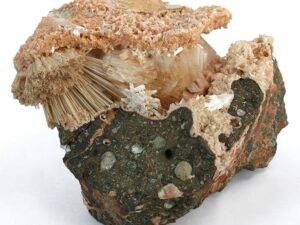
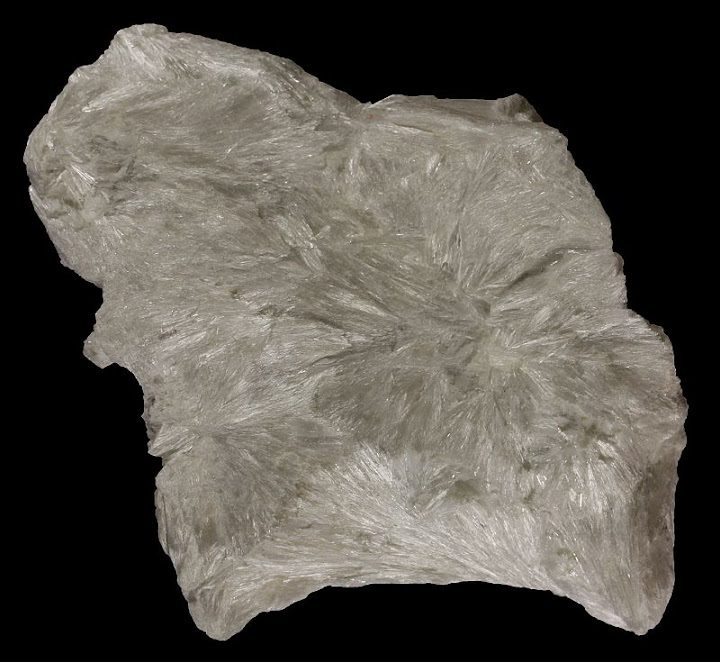
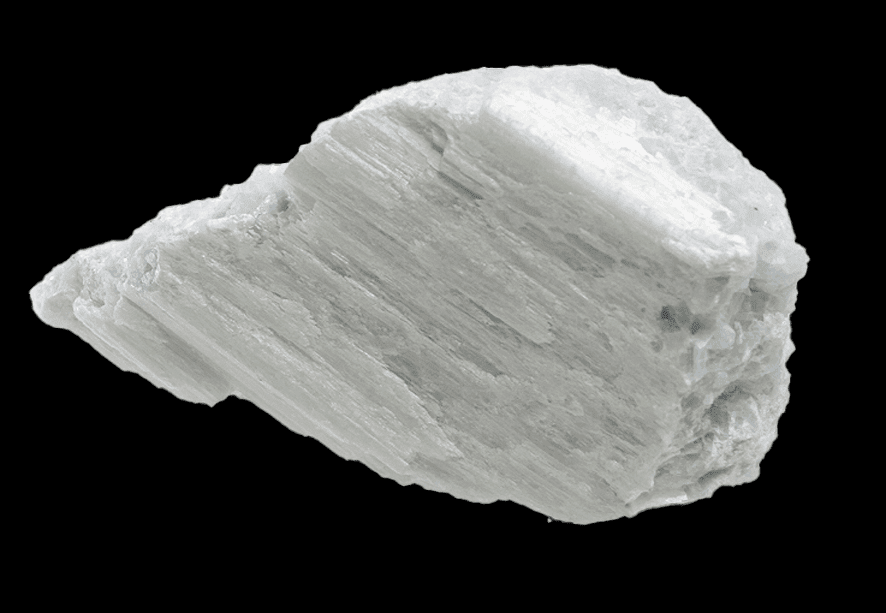
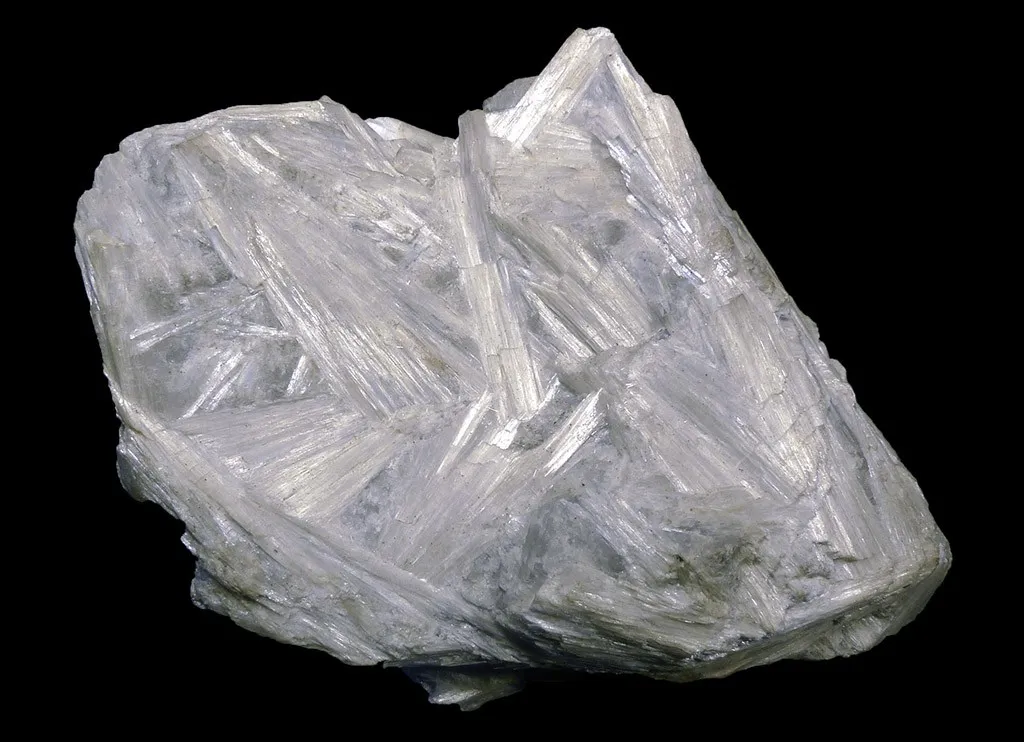
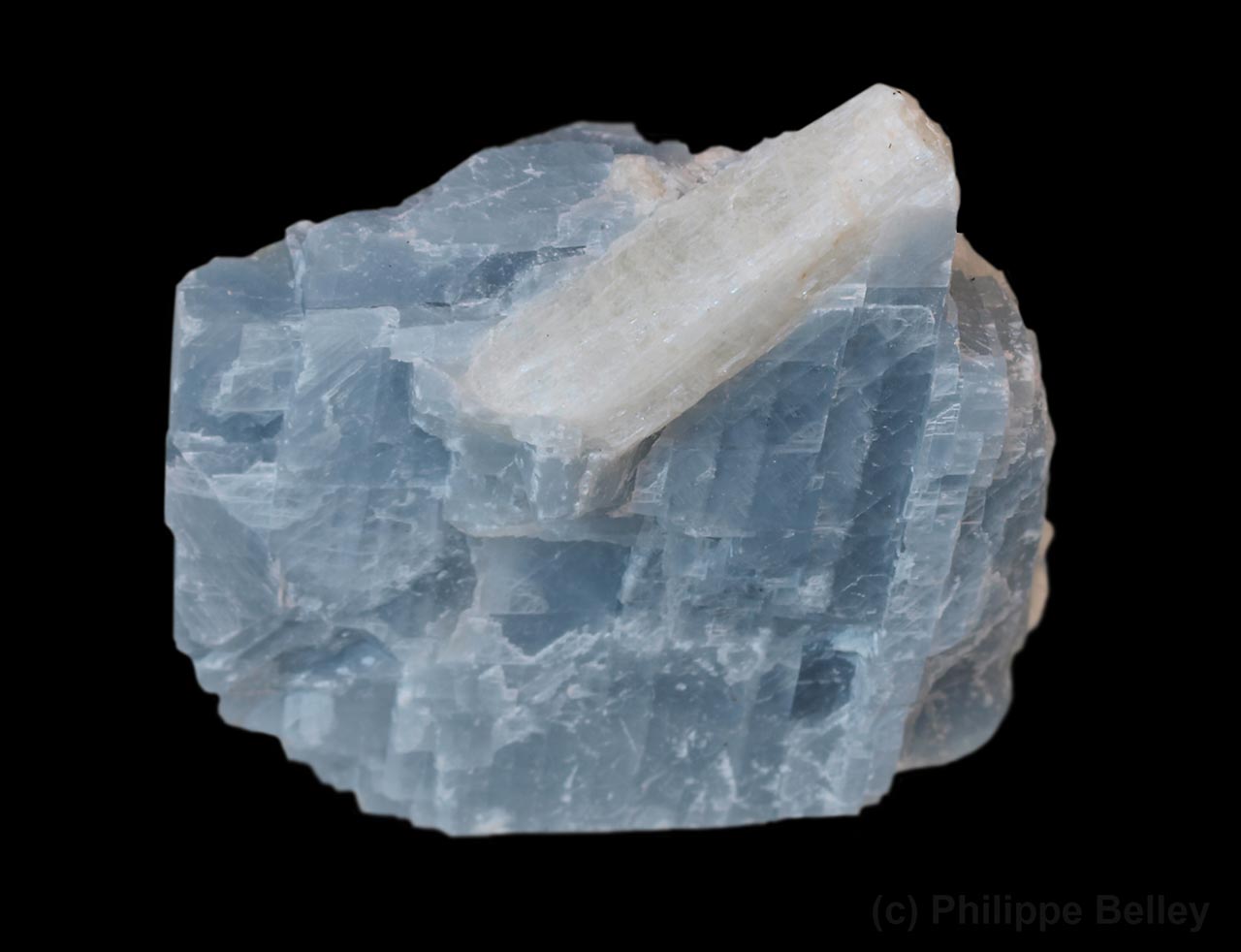
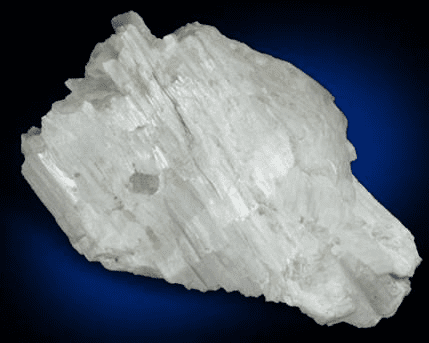
Wollastonite is a calcium silicate mineral, typically white or colorless, with a vitreous luster and a Mohs hardness of 4.5 to 5. It crystallizes in the triclinic system and has a density of approximately 2.9 grams per cubic centimeter. This mineral is named after the English chemist William Hyde Wollaston, who discovered it in 1811. Wollastonite is a relatively rare mineral, often found in metamorphic rocks, such as marble and quartzite, as well as in hydrothermal veins and pegmatites. It is a key indicator mineral for metamorphic petrologists, as its presence indicates high-pressure and high-temperature conditions during the formation of the host rock. One of the most distinctive characteristics of wollastonite is its fibrous or acicular crystal habit, which can result in beautiful, radiating aggregates. When viewed under a microscope, the fibers often display a striking pleochroism, ranging from colorless to pale yellow or blue. Wollastonite has several industrial applications, including the production of ceramics, refractories, and paint. Its high brightness and opacity make it an ideal additive for paints and coatings, while its thermal stability and resistance to chemical corrosion make it suitable for use in high-temperature applications. In recent years, wollastonite has gained attention for its potential use in environmental remediation. Its unique properties allow it to absorb and retain heavy metals and other pollutants, making it a promising material for cleaning up contaminated soil and water. Despite its relative rarity, wollastonite has played a significant role in the development of various industries and continues to be an important mineral for scientists and manufacturers alike. Its unique combination of properties makes it a versatile and valuable resource, with a wide range of applications that continue to expand as research and technology advance.

Description

Wollastonite: The Versatile Mineral Bridging Industries

Wollastonite, a calcium inosilicate mineral with the chemical formula CaSiO3, might not be a household name, but it plays a significant, and often invisible, role in a diverse range of industries. This naturally occurring white or grey mineral boasts a unique combination of properties, making it a valuable and increasingly sought-after material.

What Makes Wollastonite Special?

Wollastonite’s value stems from its distinctive characteristics:

  • High Aspect Ratio: When processed, wollastonite naturally fractures into acicular (needle-like) particles. This high aspect ratio provides excellent reinforcement in various applications.
  • High Brightness and Whiteness: Contributing to improved aesthetics, brightness, and opacity in final products.
  • Low Loss on Ignition (LOI): Meaning it is stable at high temperatures, making it suitable for applications involving heat treatment.
  • Electrical Insulation Properties: Making it useful in electrical and electronic components.
  • Alkalinity: Allows it to act as a sealant in certain applications.
  • Natural Source: Wollastonite is a naturally occurring mineral, making it a potentially more sustainable alternative to some synthetic materials.

A Multitude of Applications:

These properties translate into a wide array of uses across various industries:

  • Ceramics: Wollastonite is a key ingredient in ceramic manufacturing, reducing firing temperatures, improving strength, and decreasing shrinkage. It contributes to faster firing cycles and energy savings in the production of tiles, sanitaryware, and tableware.
  • Plastics: As a reinforcing filler in plastics, wollastonite enhances dimensional stability, improves heat resistance, and reduces warpage. It’s used in automotive parts, appliances, and other plastic products.
  • Construction: In construction materials like cement and concrete, wollastonite improves strength, durability, and resistance to chemical attack. It also helps reduce cracking and improves workability.
  • Paints and Coatings: Wollastonite acts as a pigment extender and reinforcing agent in paints and coatings, improving scrub resistance, opacity, and durability. It also contributes to a smoother finish.
  • Metallurgy: Wollastonite is used as a slag conditioner in the steelmaking process, helping to remove impurities and improve the quality of steel.
  • Friction Products: Used in brake pads and other friction materials, providing wear resistance and contributing to efficient braking performance.
  • Agriculture: In some regions, wollastonite is used as a soil amendment, providing calcium and silicon to plants.

Sustainability and the Future of Wollastonite:

As industries increasingly prioritize sustainability, wollastonite’s natural origin and potential to reduce energy consumption in manufacturing processes make it an attractive option. Research and development are ongoing to explore even more innovative applications for this versatile mineral. For example, studies are investigating its use in CO2 capture and sequestration technologies, offering exciting possibilities for mitigating climate change.

Conclusion:

Wollastonite, despite its relative obscurity, is a vital and increasingly important industrial mineral. Its unique combination of properties allows it to enhance the performance, durability, and sustainability of a wide range of products. As industries continue to seek cost-effective and environmentally friendly solutions, wollastonite is poised to play an even more significant role in the future. Its versatility ensures its continued relevance across numerous sectors, solidifying its position as a key ingredient in the materials science landscape.

Reviews

There are no reviews yet.

Be the first to review “Wollastonite”

Your email address will not be published. Required fields are marked *

Add to cart