
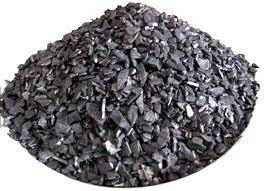
Activated Carbon for Mining and Metallurgy

£45.00

Activated carbon is widely used in mining and metallurgy, particularly in the extraction of gold, silver, and other precious metals. Here’s an overview of its role in these industries:

1. Gold and Silver Extraction (CIL/CIP Process)

In the mining industry, activated carbon is a key component in the Carbon-in-Leach (CIL) and Carbon-in-Pulp (CIP) processes, which are used to extract gold and silver from ore.

  • CIL and CIP: These processes involve dissolving gold or silver in cyanide solution to form a complex. The dissolved metal is then adsorbed onto activated carbon, which helps to concentrate and purify the metal. The activated carbon is later removed, and the metal is extracted from it.
    • CIP Process: The ore is ground and mixed with cyanide solution. Carbon is added directly to the pulp to adsorb the gold.
    • CIL Process: Similar to CIP, but carbon is added during the leaching process, allowing for a more efficient recovery of the precious metals.

2. Tailings Treatment

After the gold or silver is extracted, the tailings (remaining waste material) can still contain trace amounts of precious metals. Activated carbon can be used in tailings treatment to capture these residual metals, thereby improving the overall recovery and reducing environmental impact.

3. Purification of Other Metals

Activated carbon is used in the refining and purification of metals like copper, zinc, and nickel. It can adsorb impurities from metal-rich solutions, helping to improve the purity of the final product.

4. Removal of Impurities in Smelting

Activated carbon plays a role in smelting processes, where it helps to remove impurities such as sulfur and oxygen from metal ores during heating. It enhances the efficiency of the smelting process and helps in producing higher-quality metals.

5. Gold and Silver Recovery in Heap Leaching

In heap leaching, low-grade ores are piled on a leach pad and irrigated with a cyanide solution. The gold or silver dissolves in the solution and is then adsorbed onto activated carbon, which is periodically recovered and processed to extract the metal.

6. Carbon Regeneration

After activated carbon has been used to adsorb the precious metals, it becomes saturated and needs to be regenerated to restore its adsorptive capacity. This is typically done by heating the carbon in a kiln to remove the adsorbed metals, after which it can be reused.

7. Environmental Benefits

  • Toxic Cyanide Removal: Activated carbon can also help to adsorb cyanide, preventing it from contaminating the environment.
  • Reducing Environmental Impact: By using activated carbon in various stages of the mining process, the efficiency of recovery increases, leading to less waste and a reduced environmental footprint.

8. Additional Applications

Activated carbon is used in other applications within the mining and metallurgy sectors, including:

  • Desulfurization of gases (removing sulfur compounds from smelting gases).
  • Gold room applications (separating gold from other materials in refining processes).

In summary, activated carbon is a versatile and essential material in the mining and metallurgy industries, particularly for precious metal recovery, environmental protection, and improving overall process efficiency.

Category:

Description

Activated Carbon: The Unsung Hero of Modern Mining and Metallurgy

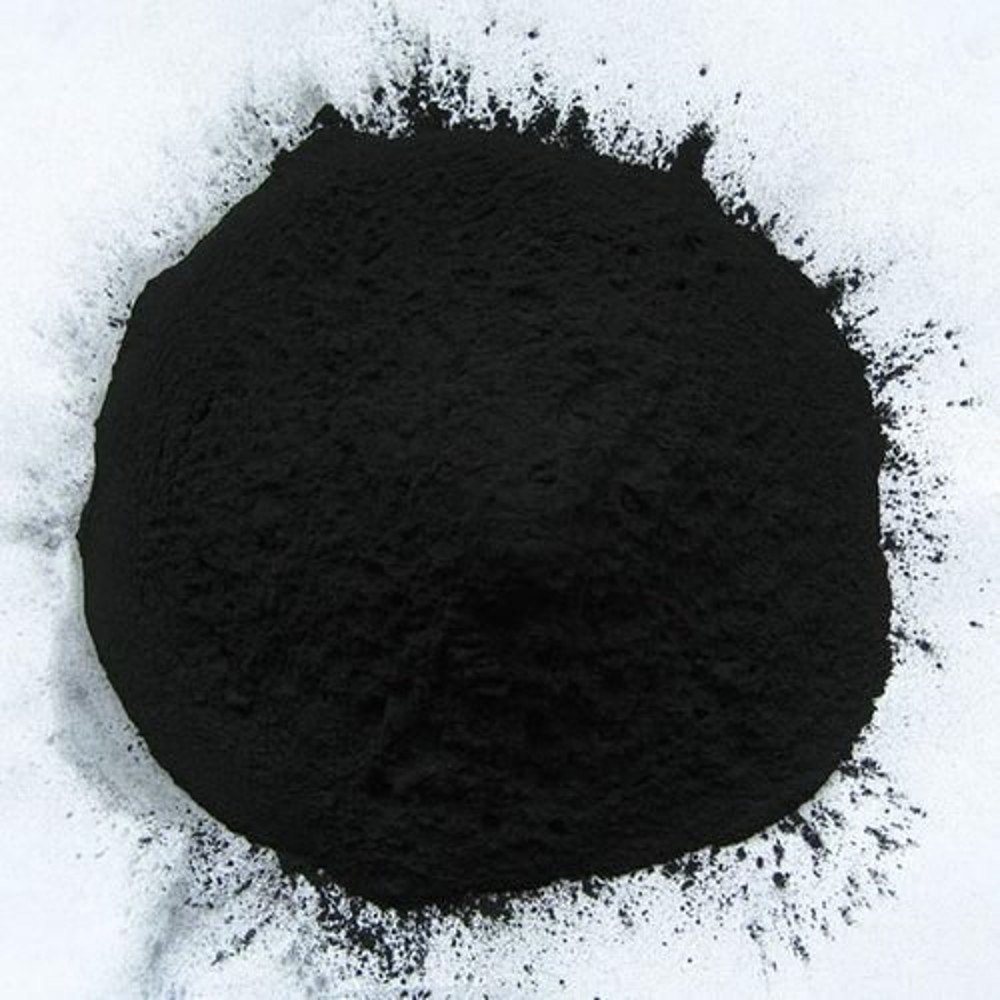
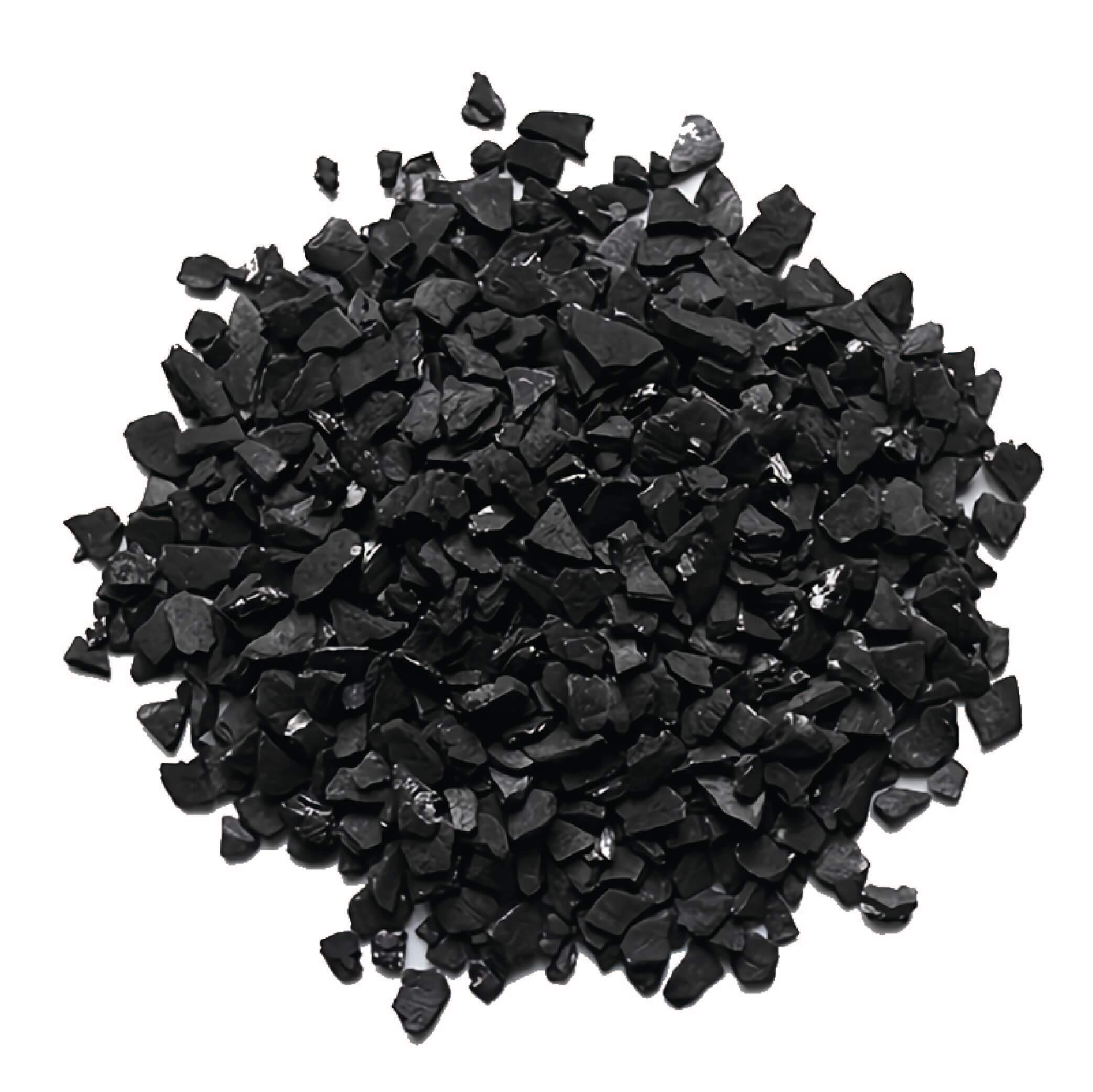
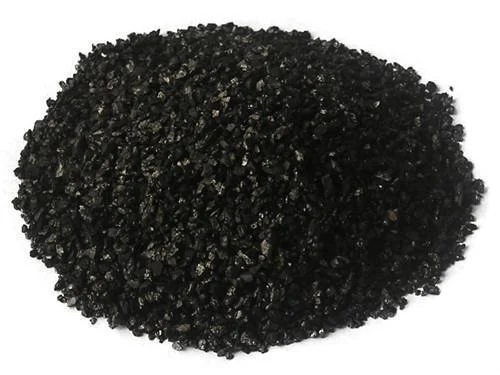
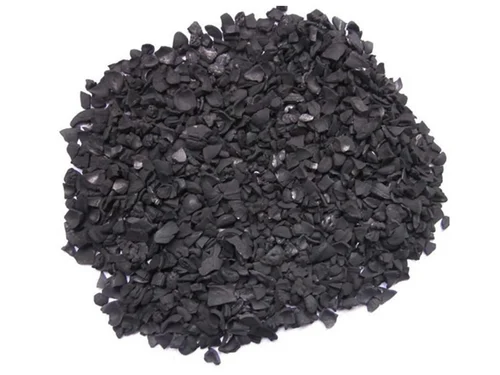
Activated carbon, often overlooked, plays a crucial role in modern mining and metallurgy, particularly in the extraction and purification of precious metals like gold and silver. While it might just look like black powder or granules, its unique properties make it an indispensable tool for efficient and environmentally conscious metal processing.

What is Activated Carbon and Why is it So Effective?

Activated carbon is essentially carbon that has been processed to have an extremely porous structure, resulting in a massive surface area. This vast surface area, ranging from 500 to 2,500 square meters per gram, is the key to its effectiveness. It’s like having a microscopic sponge capable of adsorbing (attracting and holding) significant quantities of other substances.

This adsorption mechanism is crucial in mining because activated carbon exhibits a high affinity for certain metal complexes, particularly those formed with cyanide. Cyanide leaching is a common technique for extracting gold and silver from ore because these metals readily dissolve in cyanide solutions. However, separating the gold and silver from the cyanide solution requires a powerful adsorbent, and that’s where activated carbon shines.

The Gold Standard: Activated Carbon in Gold Recovery (Carbon-in-Pulp/Carbon-in-Leach)

The most prominent application of activated carbon in mining is in the recovery of gold through two primary processes:

  • Carbon-in-Pulp (CIP): In this process, finely ground ore that has already been leached with cyanide is mixed with activated carbon. The gold and silver cyanide complexes are adsorbed onto the carbon. The carbon is then separated from the pulp by screening.
  • Carbon-in-Leach (CIL): CIL combines the leaching and adsorption steps into a single process. Activated carbon is directly added to the ore pulp during cyanide leaching, simultaneously dissolving and adsorbing the gold and silver.

Both CIP and CIL offer significant advantages:

  • High Recovery Rates: They achieve high recovery rates, often exceeding 90%, making them highly efficient.
  • Cost-Effective: The processes are relatively simple and can be scaled easily, making them economically viable.
  • Enhanced Efficiency: The ability to adsorb metals directly from the leach solution improves kinetics and reduces metal losses.

Beyond Gold: Applications in Other Metals

While gold recovery is the dominant application, activated carbon is increasingly being used in the extraction and purification of other metals as well:

  • Silver Recovery: Similar to gold, silver complexes with cyanide are readily adsorbed by activated carbon.
  • Base Metal Removal: Activated carbon can be used to remove impurities and unwanted base metals (like copper, zinc, and iron) from solutions, improving the purity of the target metal.
  • Rare Earth Element Processing: Research is ongoing exploring the use of modified activated carbon for the selective recovery of rare earth elements, which are critical for modern technology.

Regeneration and Recycling: The Path to Sustainability

After the activated carbon has adsorbed the desired metals, it needs to be treated to recover the captured values and regenerate the carbon for further use. Common regeneration methods include:

  • Elution (Stripping): Using a strong chemical solution to desorb the gold and silver from the carbon. The gold and silver are then recovered from the eluate.
  • Thermal Regeneration: Heating the carbon to high temperatures in a controlled atmosphere to burn off adsorbed organic matter and restore its porosity.

Recycling and regenerating activated carbon are crucial for minimizing waste and reducing the environmental impact of mining operations.

Challenges and Future Directions

Despite its widespread use, there are challenges facing the application of activated carbon in mining:

  • Fouling: The adsorption capacity of activated carbon can be reduced by fouling with organic matter and other impurities in the ore.
  • Attrition: Physical abrasion can break down the carbon particles, leading to losses during processing.
  • Selectivity: Improving the selectivity of activated carbon for specific metals is an ongoing area of research.

Future research is focused on:

  • Developing more robust and resistant activated carbon materials.
  • Improving regeneration techniques to reduce energy consumption and chemical usage.
  • Modifying activated carbon with specific functionalities to enhance its selectivity for target metals.
  • Exploring the use of alternative adsorbents for specific applications.

Conclusion:

Activated carbon is a vital, yet often unseen, component of modern mining and metallurgy. Its exceptional adsorption properties make it an indispensable tool for the efficient and economical extraction of precious metals, particularly gold and silver. As the demand for metals continues to grow, the role of activated carbon in sustainable mining practices will only become more critical. Continued innovation and research in this area will be key to maximizing its effectiveness and minimizing its environmental footprint.

Reviews

There are no reviews yet.

Be the first to review “Activated Carbon for Mining and Metallurgy”

Your email address will not be published. Required fields are marked *

Add to cart