

Description
Zinc Oxide Nanoparticles: Properties, Applications, and Safety Considerations
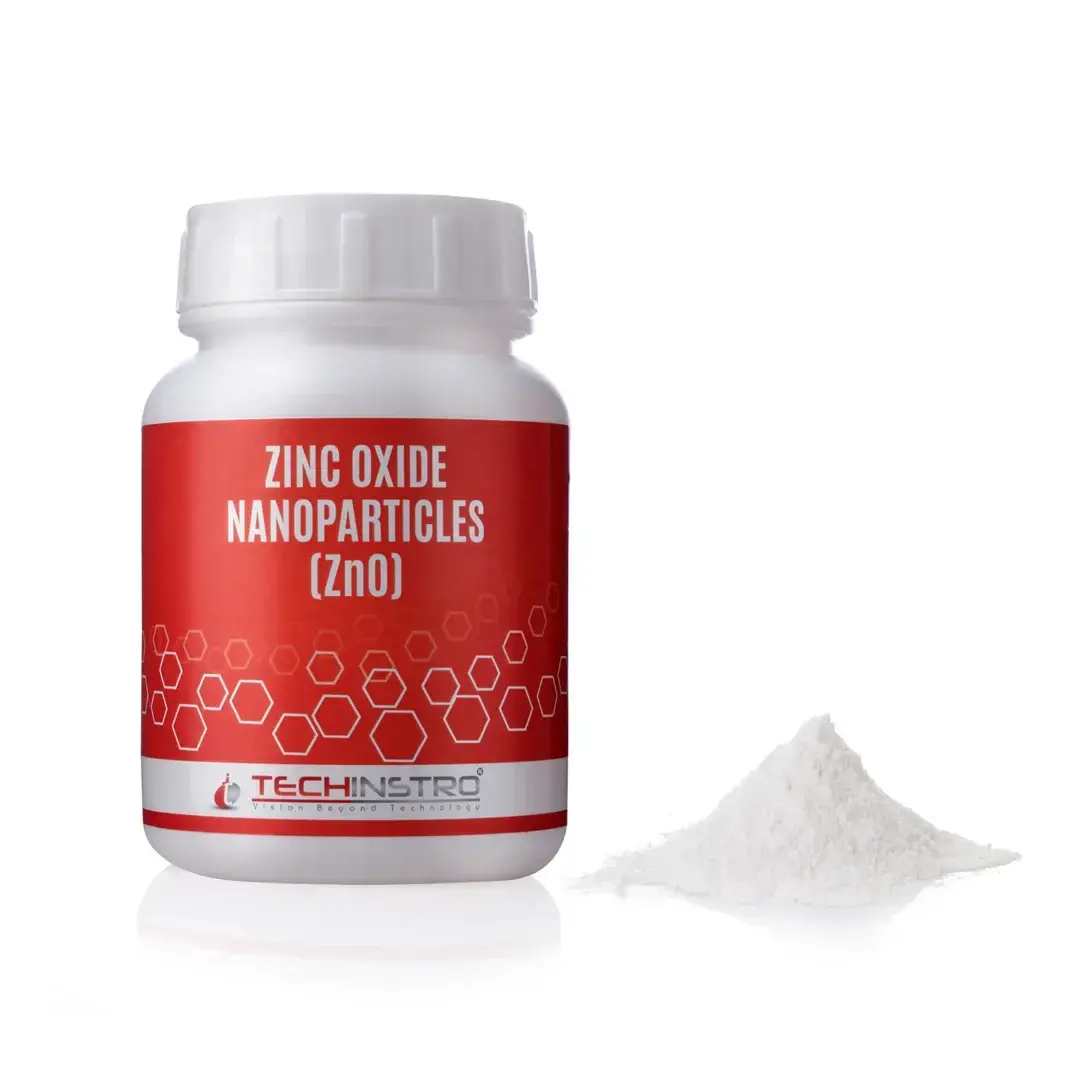
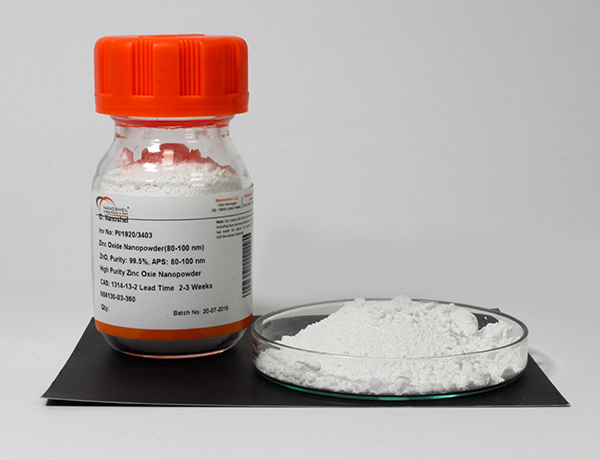
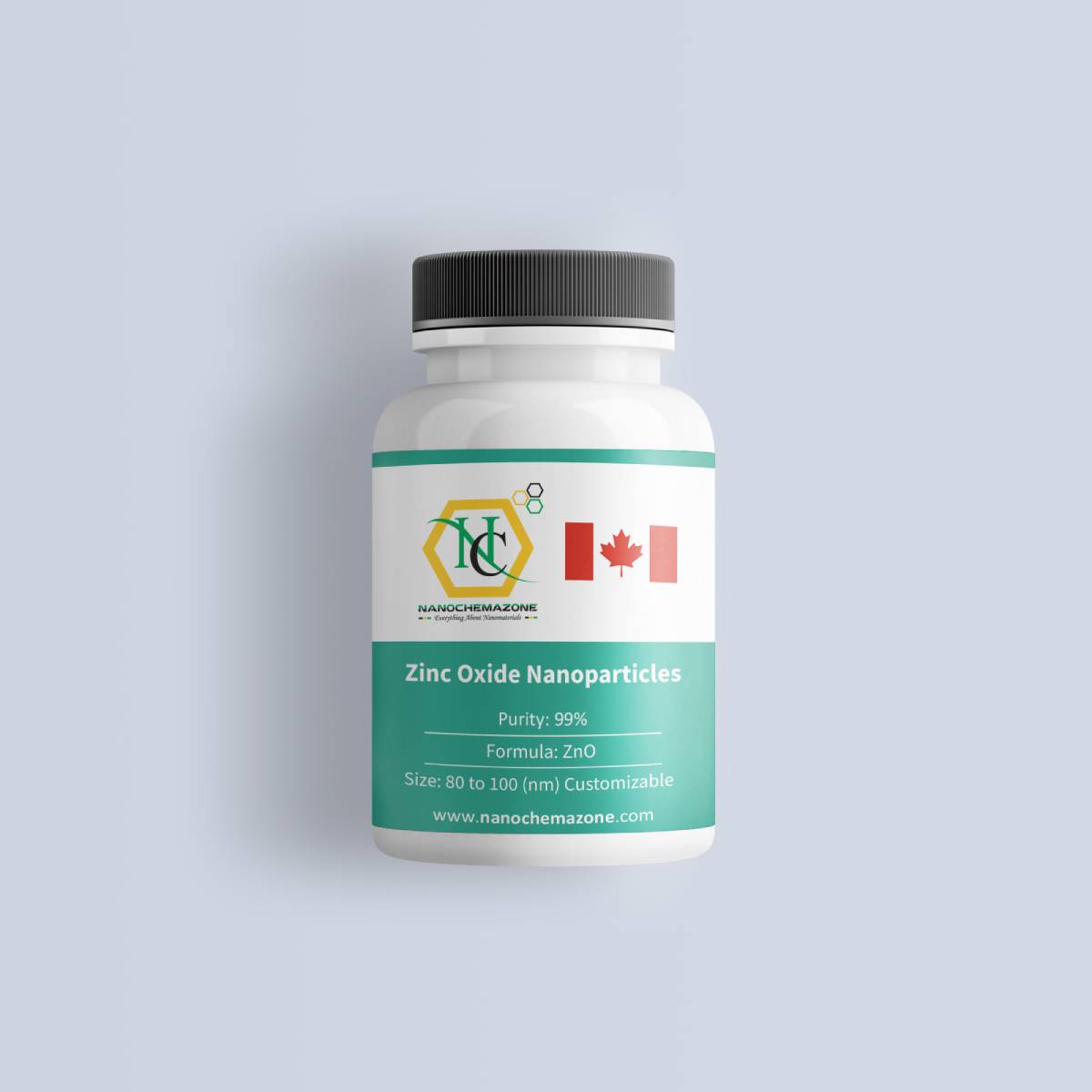
Zinc oxide nanoparticles (ZnO NPs) have garnered significant attention in recent years due to their unique physicochemical properties and versatile applications across various fields, including medicine, electronics, and environmental science. These nanoparticles, typically ranging from 1 to 100 nanometers in size, exhibit distinct characteristics that differ markedly from their bulk counterparts, making them highly valuable in nanotechnology and advanced materials research.
Properties of Zinc Oxide Nanoparticles
ZnO nanoparticles possess several remarkable properties:
- Semiconductor Nature: ZnO is a wide-bandgap semiconductor (~3.37 eV), which imparts it with excellent optical and electronic properties.
- Photocatalytic Activity: Under UV light, ZnO NPs can generate reactive oxygen species (ROS), making them effective photocatalysts.
- Antibacterial Properties: The production of ROS also contributes to their antimicrobial effects against a broad spectrum of bacteria and fungi.
- UV Absorption: ZnO nanoparticles strongly absorb UV radiation, making them useful in sunscreens and UV-blocking coatings.
- High Surface Area: Their nanoscale size provides a large surface-to-volume ratio, enhancing reactivity and interaction with other materials.
Synthesis Methods
Several techniques exist for synthesizing ZnO nanoparticles, including:
- Chemical Vapor Deposition (CVD): Vapor-phase synthesis to produce high-purity ZnO nanostructures.
- Sol-Gel Method: A chemical solution process that offers control over morphology and size.
- Hydrothermal Synthesis: Conducted in aqueous solutions at elevated temperatures and pressures, allowing for crystallinity and shape control.
- Green Synthesis: Utilizing plant extracts or microorganisms as reducing agents to produce ZnO NPs in an environmentally friendly manner.
Applications of Zinc Oxide Nanoparticles
Due to their unique features, ZnO nanoparticles find applications in various sectors:
- Biomedical Applications: Their antimicrobial and anti-inflammatory properties enable use in wound dressings, drug delivery, and biosensors.
- Cosmetics: ZnO NPs are extensively used in sunscreens due to their ability to block UVA and UVB rays without leaving a white residue.
- Electronics: Utilized in the fabrication of optoelectronic devices such as light-emitting diodes (LEDs), photodetectors, and solar cells.
- Environmental Remediation: Employed as photocatalysts to degrade pollutants in water and air treatment.
- Food Industry: Used as additives for packaging materials due to their antimicrobial effects and ability to extend shelf life.
Safety and Environmental Concerns
While ZnO nanoparticles offer numerous benefits, their potential toxicity and environmental impact warrant careful consideration:
- Cytotoxicity: ZnO NPs can induce oxidative stress and inflammation in human cells, particularly at high concentrations.
- Environmental Impact: Their release into water bodies may affect aquatic organisms and disrupt ecosystems.
- Regulation: Ongoing research aims to establish safe exposure limits and guidelines for the production and use of ZnO NPs to mitigate risks.
Conclusion
Zinc oxide nanoparticles represent a promising nanomaterial with multifaceted applications spanning health, industry, and environmental science. Advances in synthesis techniques and a better understanding of their interactions with biological systems continue to drive innovation. However, ensuring safe and sustainable use remains paramount as the integration of ZnO NPs into commercial products and environmental technologies expands.




Reviews
There are no reviews yet.