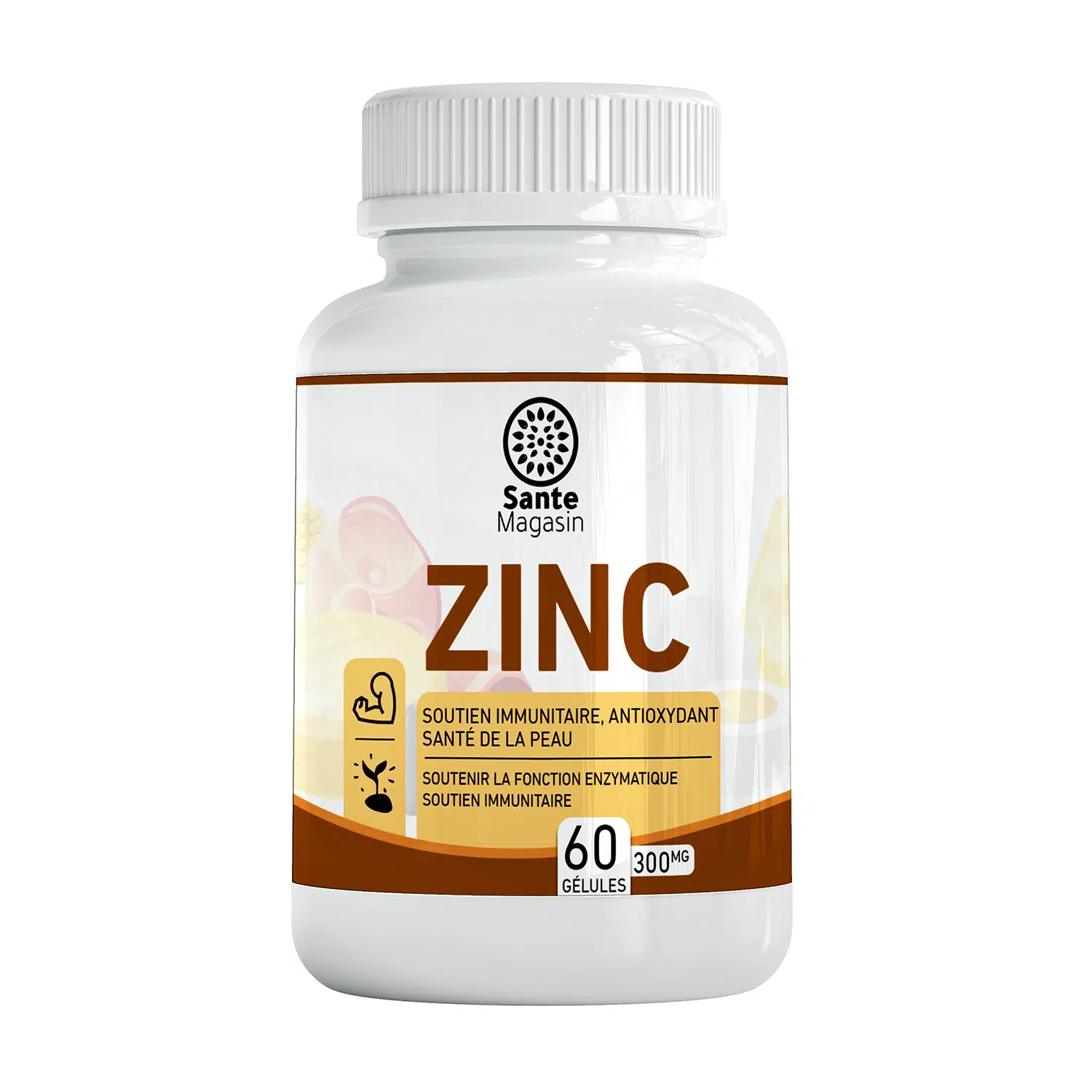
Description
Zinc: The Unsung Hero of Health and Well-being
Zinc, often overshadowed by its more glamorous mineral counterparts, is a vital nutrient that plays a crucial role in countless bodily functions. From bolstering the immune system to supporting healthy growth and development, zinc is an essential component of overall well-being. This article delves into the importance of zinc, exploring its numerous benefits, potential deficiencies, and how to ensure adequate intake.
A Powerhouse Mineral: The Benefits of Zinc
Zinc is a trace mineral, meaning the body only needs it in small amounts. However, those small amounts pack a significant punch. Here are some of the key benefits associated with adequate zinc intake:
- Immune System Support: Zinc is a crucial player in immune function. It helps to activate T-cells, which are responsible for fighting off infections and foreign invaders. Studies have shown that zinc supplementation can reduce the duration and severity of the common cold.
- Wound Healing: Zinc is essential for tissue repair and wound healing. It plays a vital role in collagen formation, which is necessary for rebuilding skin and connective tissues.
- Growth and Development: Zinc is critical for proper growth and development, particularly during childhood and adolescence. It’s involved in cell growth and division, making it essential for reaching physical milestones.
- Cognitive Function: Zinc is vital for healthy brain function and cognitive performance. It supports memory, learning, and concentration. Deficiency has been linked to cognitive impairment and even neurological disorders.
- Sense of Taste and Smell: Zinc is crucial for maintaining a healthy sense of taste and smell. A deficiency can lead to a diminished ability to taste or smell, impacting appetite and overall enjoyment of food.
- Fertility and Reproduction: Zinc plays a role in male reproductive health, including sperm production and testosterone levels. It’s also important for healthy pregnancy outcomes.
- Antioxidant Activity: Zinc acts as an antioxidant, protecting cells from damage caused by free radicals. This helps to reduce the risk of chronic diseases like heart disease and cancer.
Recognizing Zinc Deficiency: Who is at Risk?
While zinc is readily available in many foods, deficiency is surprisingly common, particularly in certain populations:
- Vegetarians and Vegans: Plant-based foods contain phytates, which can inhibit the absorption of zinc.
- Older Adults: Zinc absorption tends to decrease with age, increasing the risk of deficiency.
- People with Digestive Disorders: Conditions like Crohn’s disease and ulcerative colitis can impair zinc absorption.
- Pregnant and Breastfeeding Women: The increased demands of pregnancy and lactation can deplete zinc stores.
- Alcoholics: Excessive alcohol consumption can interfere with zinc absorption and excretion.
Symptoms of zinc deficiency can vary depending on the severity, but may include:
- Impaired immune function: Frequent infections or slow wound healing.
- Loss of appetite: Reduced interest in food.
- Hair loss: Thinning or brittle hair.
- Skin problems: Acne, eczema, or rashes.
- Diarrhea: Frequent or persistent diarrhea.
- Cognitive impairment: Difficulty concentrating or remembering things.
- Growth retardation: Slow growth in children.
Boosting Your Zinc Intake: Dietary Sources and Supplementation
The best way to obtain adequate zinc is through a balanced diet rich in zinc-rich foods. Excellent dietary sources include:
- Oysters: The richest source of zinc.
- Red Meat (Beef, Lamb): A good source of easily absorbed zinc.
- Poultry (Chicken, Turkey): Provides a moderate amount of zinc.
- Beans and Legumes: A decent source of zinc, especially for vegetarians.
- Nuts and Seeds: Pumpkin seeds, cashews, and almonds contain zinc.
- Whole Grains: Quinoa, brown rice, and oats.
- Dairy Products: Milk, yogurt, and cheese contain zinc.
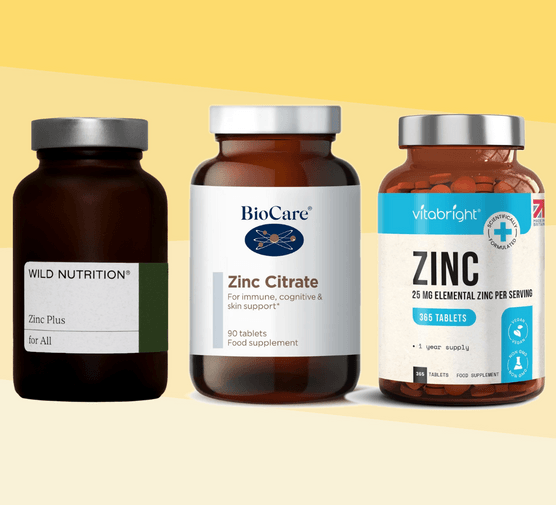
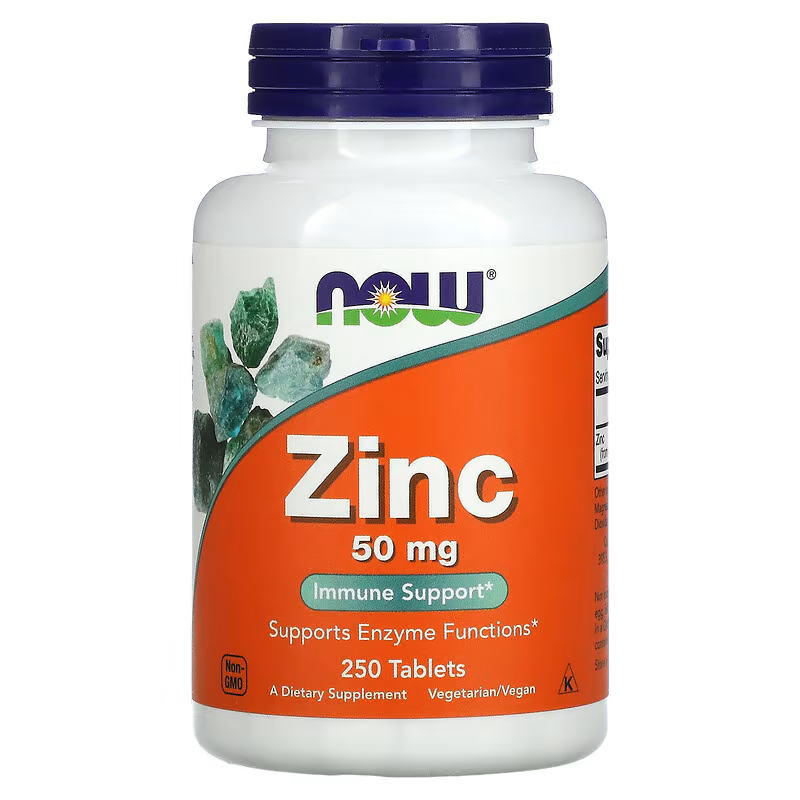
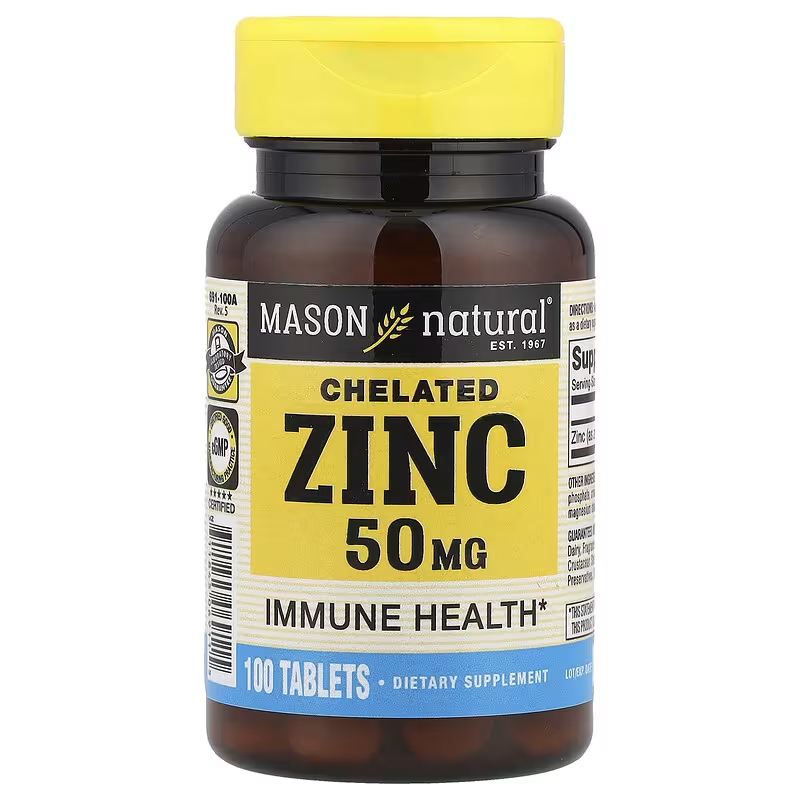
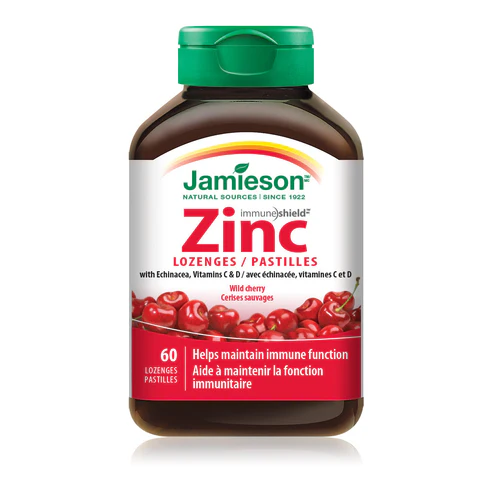
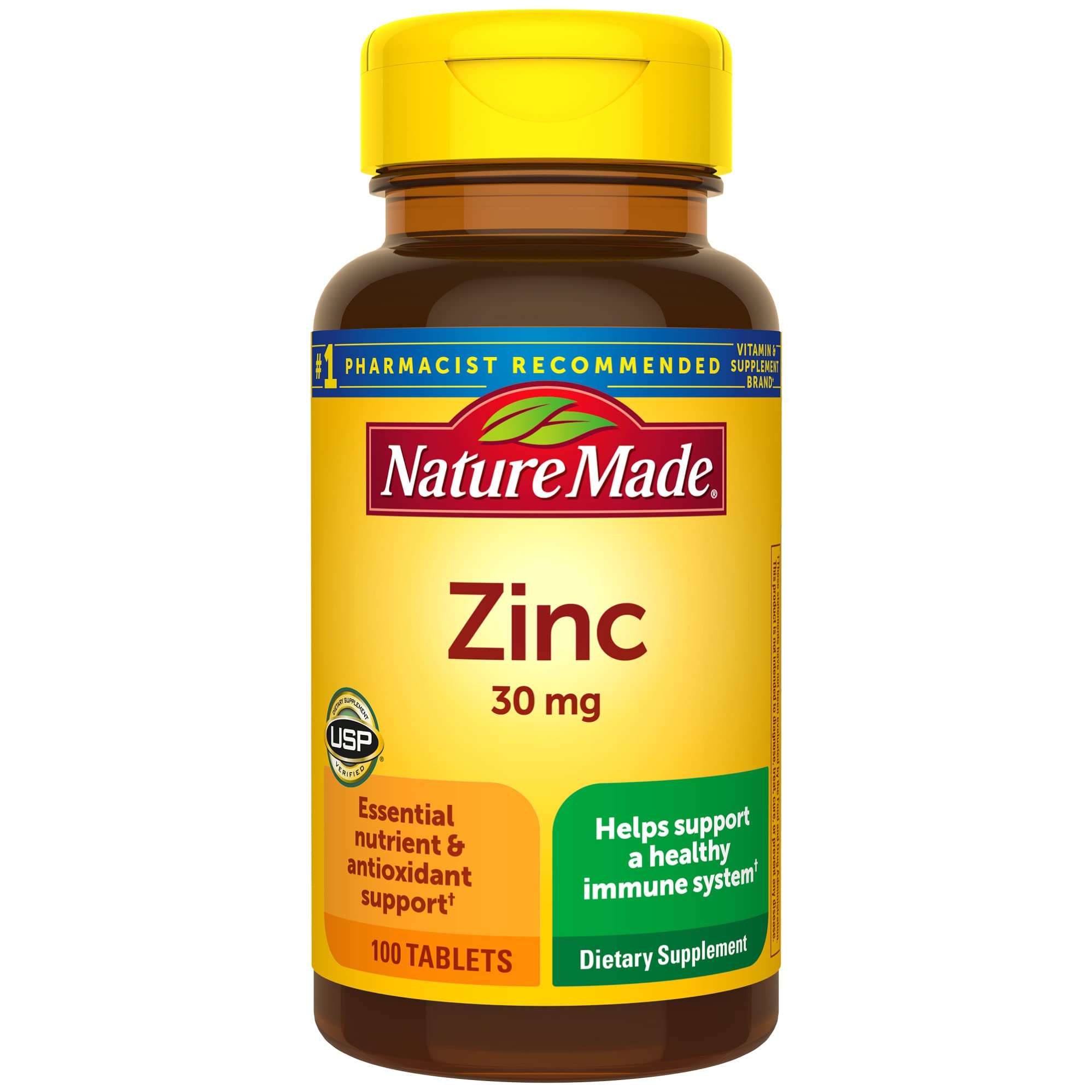
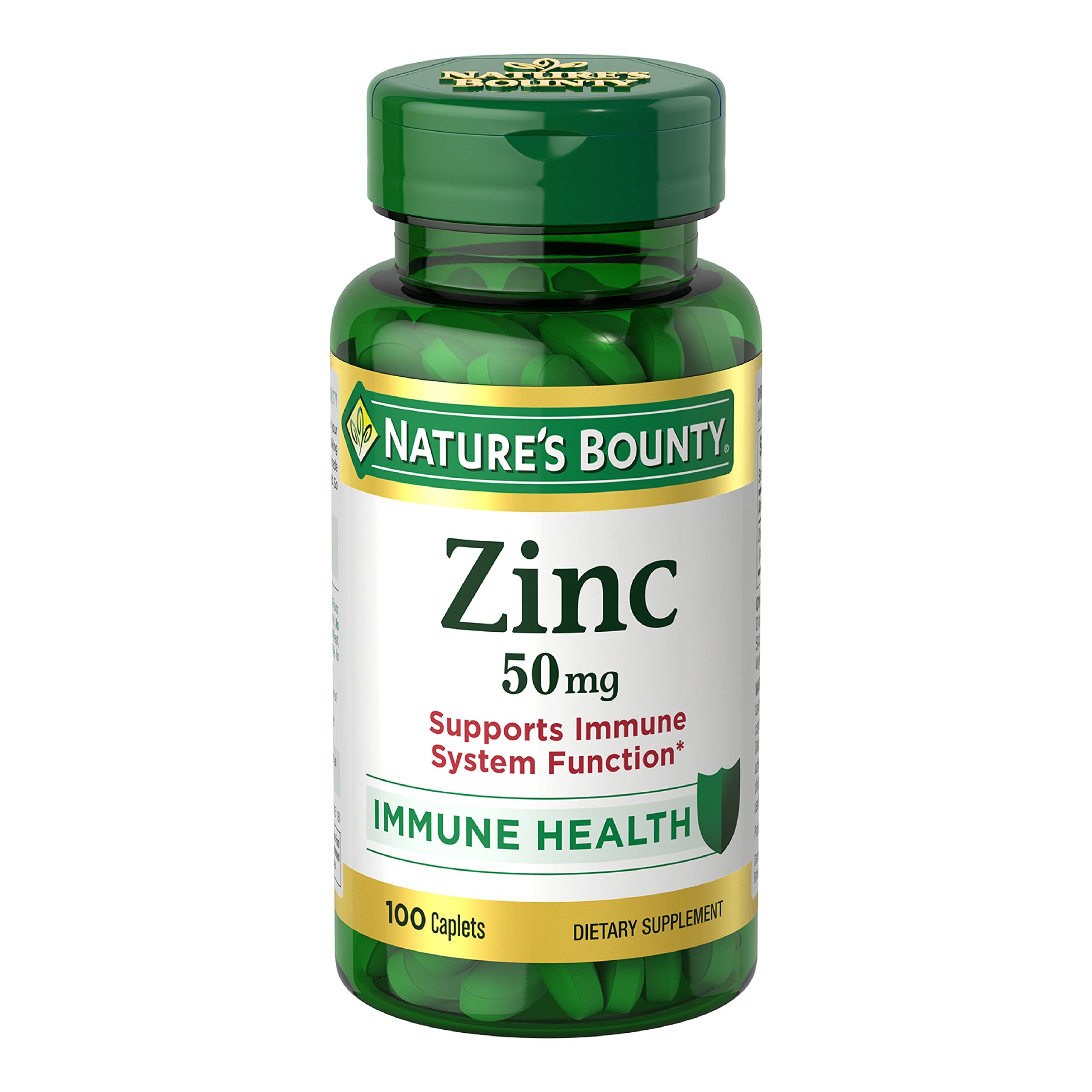
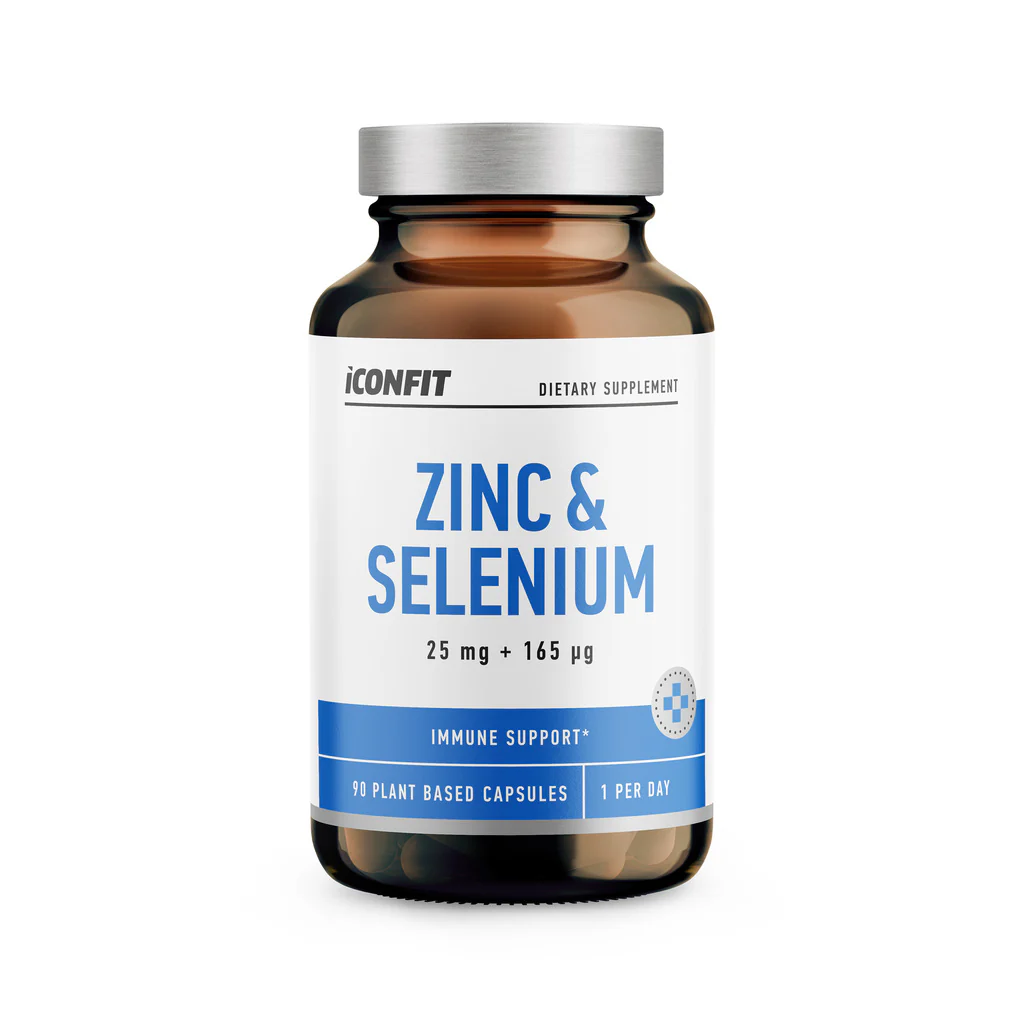
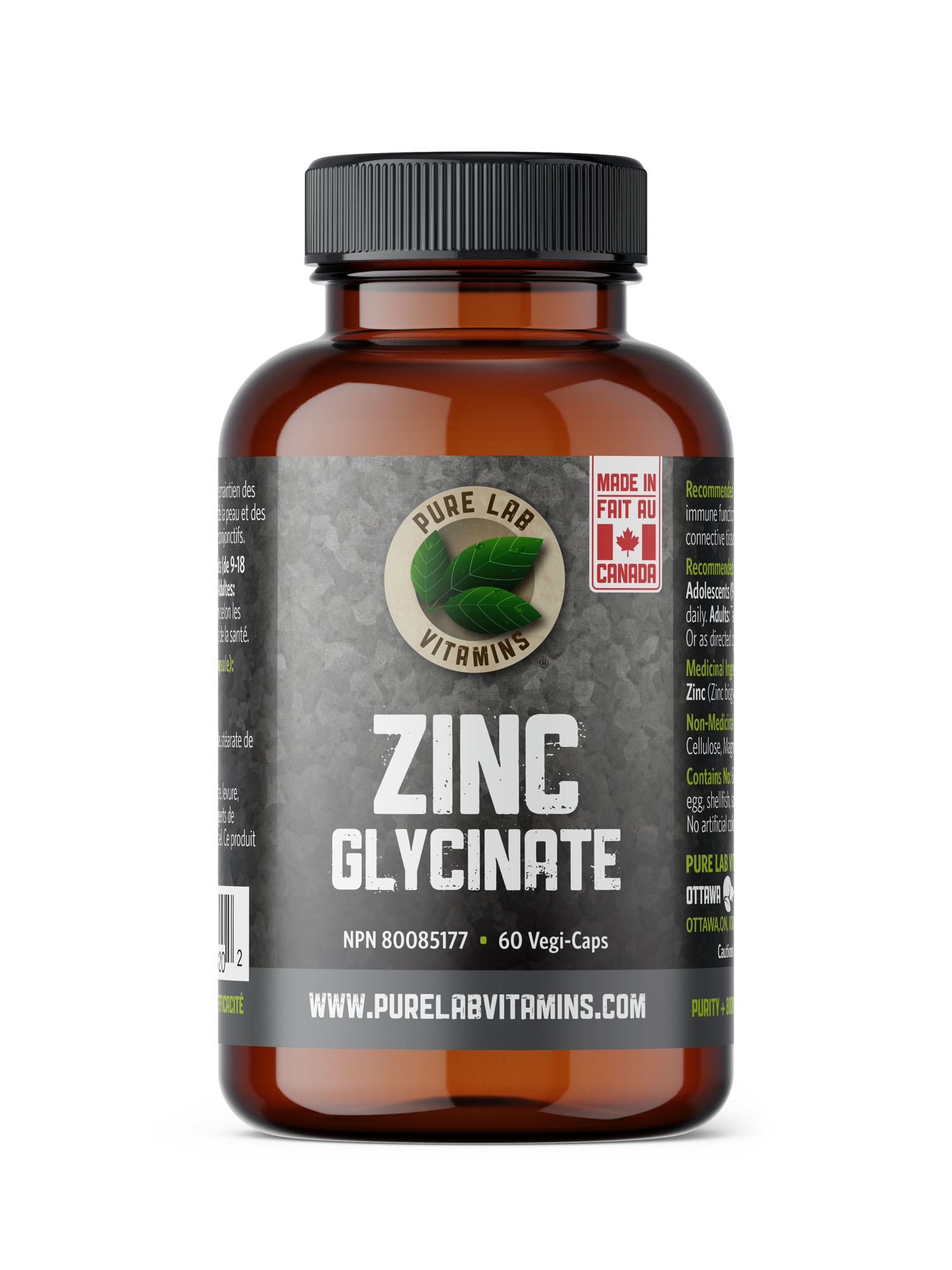
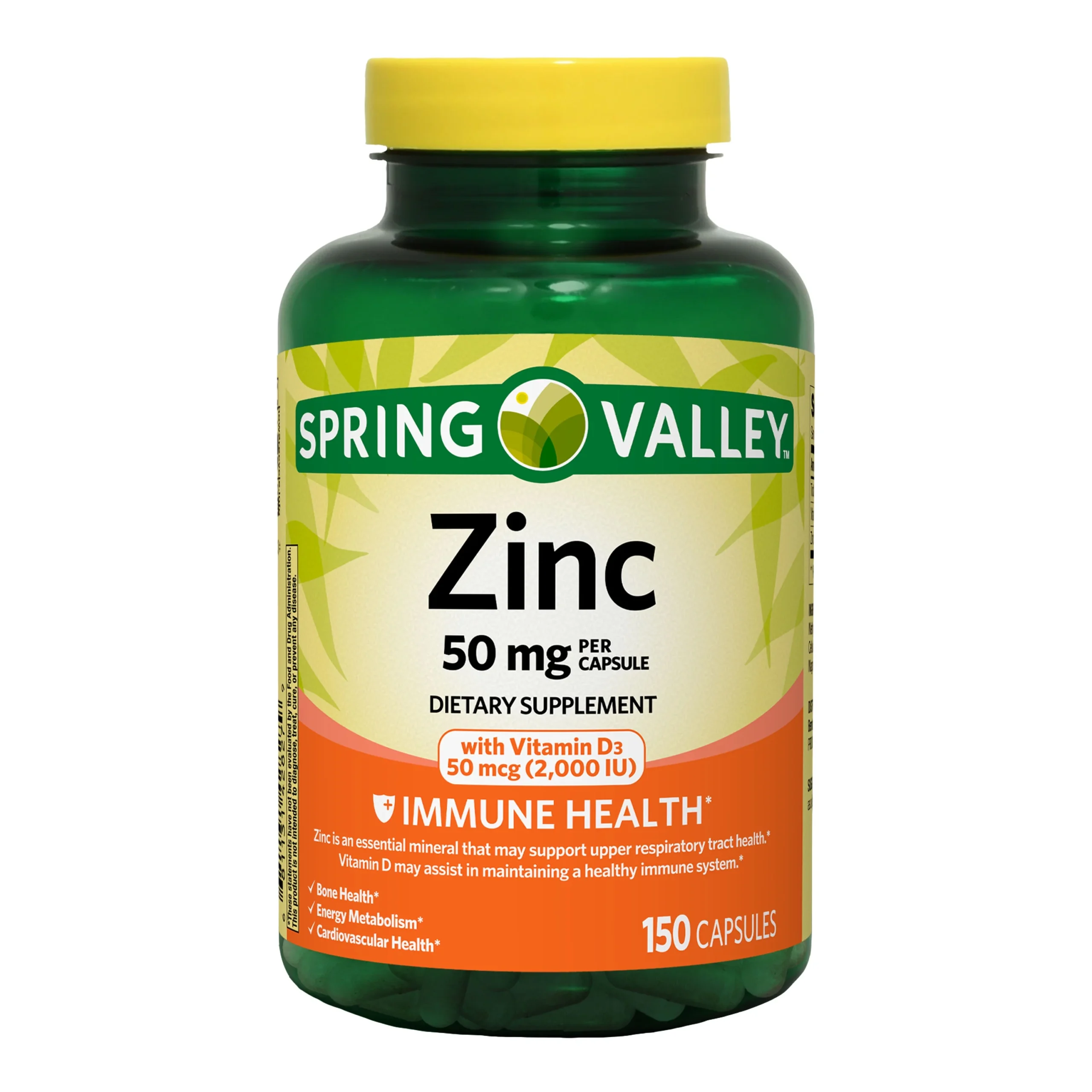
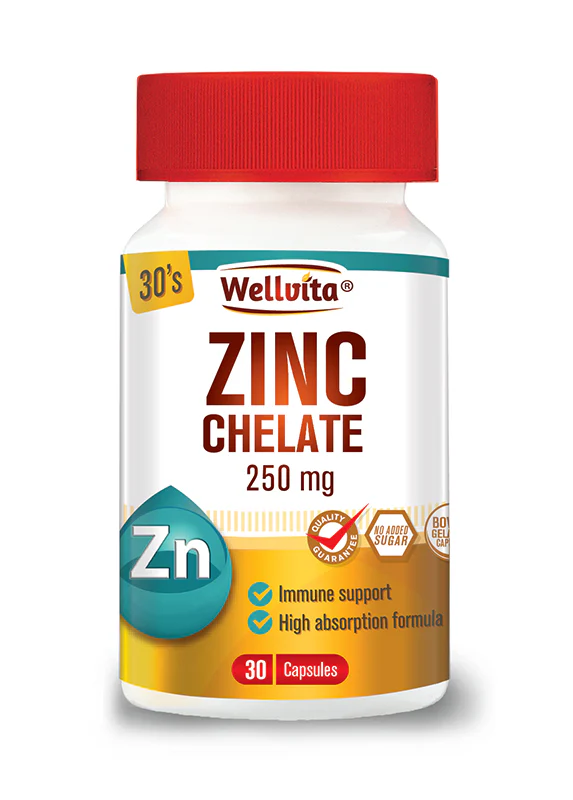
For those who struggle to obtain enough zinc through diet alone, supplementation may be necessary. Zinc supplements are available in various forms, including zinc gluconate, zinc sulfate, and zinc picolinate. Consult with a healthcare professional to determine the appropriate dosage for your individual needs and to avoid potential side effects from excessive zinc intake.
Important Considerations:
- Interactions: Zinc can interact with certain medications, including some antibiotics and diuretics.
- Copper Balance: High doses of zinc can interfere with copper absorption, so it’s important to ensure adequate copper intake as well.
- Upper Limit: The tolerable upper intake level for zinc is 40 mg per day for adults. Exceeding this limit can lead to adverse effects like nausea, vomiting, and abdominal cramps.
Conclusion:
Zinc is an essential mineral that plays a vital role in maintaining optimal health. From supporting a robust immune system to promoting healthy growth and development, the benefits of zinc are numerous. By incorporating zinc-rich foods into your diet and addressing potential deficiencies, you can ensure that you’re getting enough of this unsung hero of health. Remember to consult with a healthcare professional to determine the best course of action for your individual needs and to avoid potential complications from excessive zinc intake.


Reviews
There are no reviews yet.