
Description
1. Product Overview
Wood Chip Residue is a processed lignocellulosic by-product derived from timber processing, sawmilling, and biomass operations. It is primarily utilized as a renewable fuel source, raw material for panel board manufacturing, pulp production, and biomass energy generation. Offering a cost-effective and sustainable alternative to fossil fuels and virgin wood inputs, Wood Chip Residue supports circular resource utilization and carbon footprint reduction. In energy-intensive and wood-based manufacturing industries, it represents a strategically important feedstock that enhances operational efficiency while aligning with global sustainability objectives.
2. Key Specifications & Technical Characteristics
- Chemical Composition (Typical Range):
- Cellulose: 40% – 50%
- Hemicellulose: 20% – 30%
- Lignin: 20% – 30%
- Ash Content: <2% (clean wood grade)
- Moisture Content: 10% – 30% (as supplied; customizable drying available)
- Purity Level / Grade:
- Industrial biomass grade
- Clean wood classification (free from treated or painted wood, unless specified)
- Low-contaminant, metal-free specification available
- Physical Characteristics:
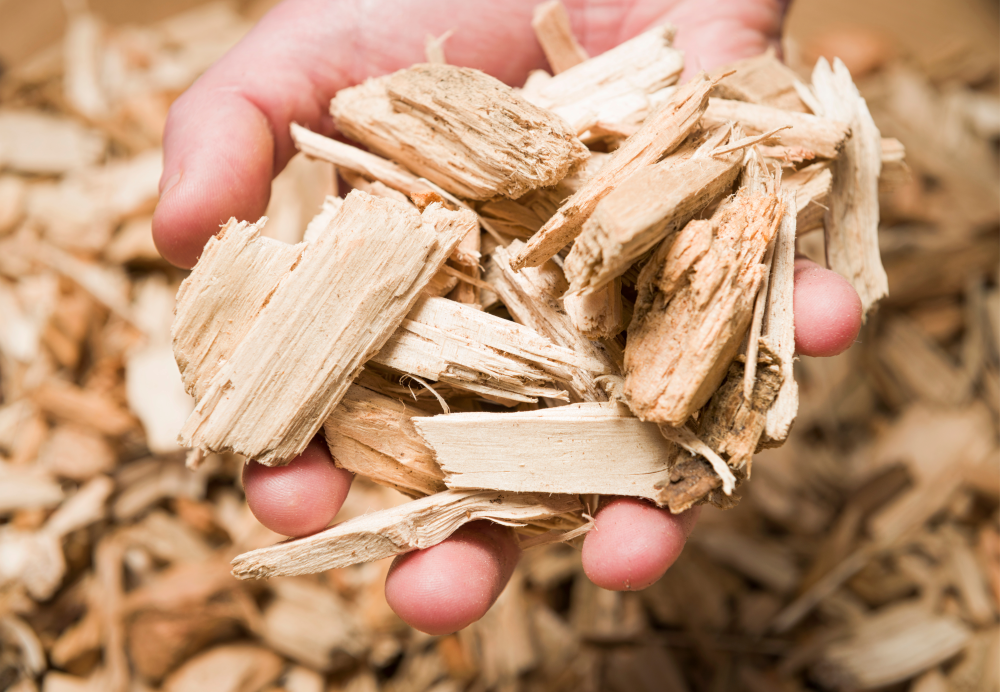
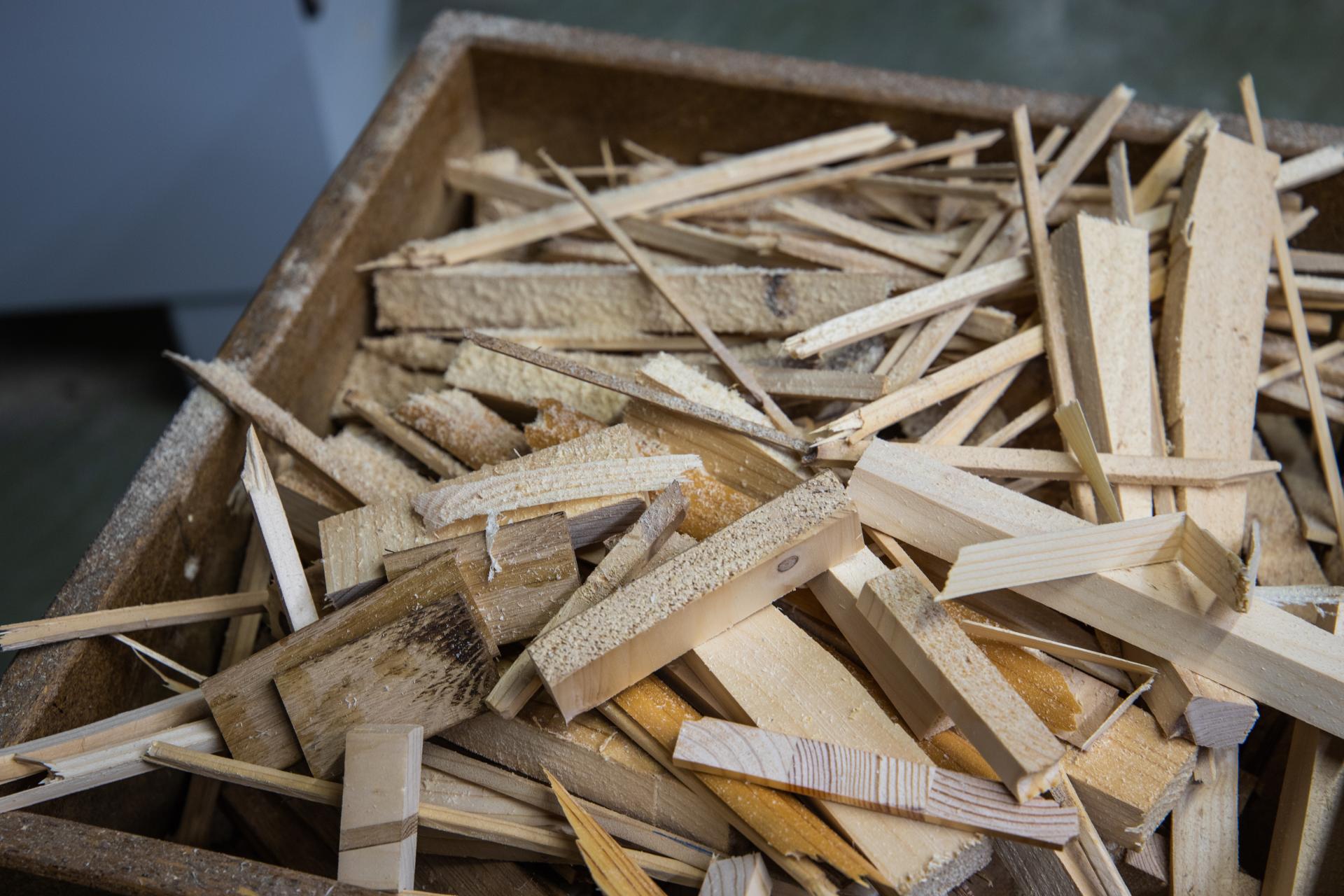
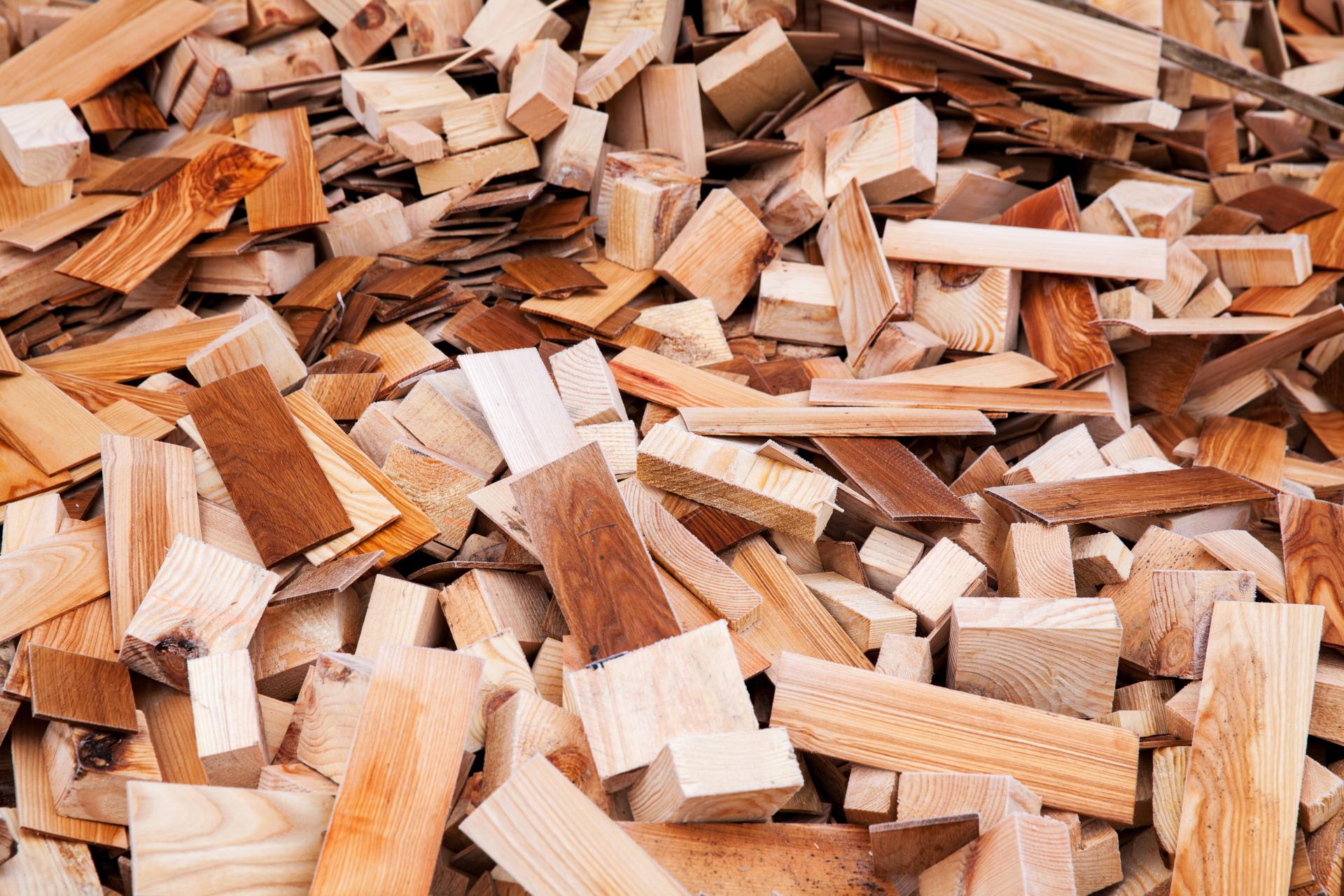
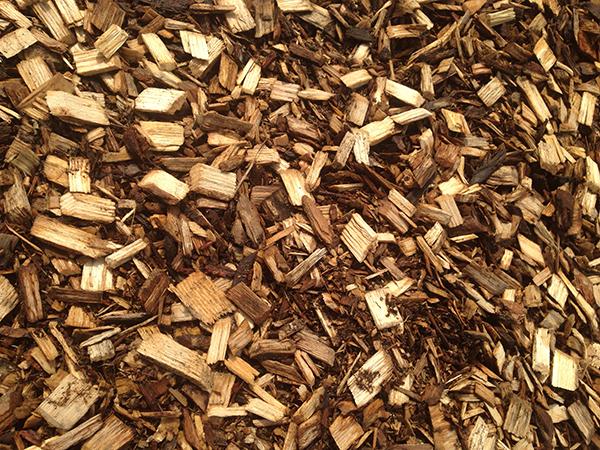
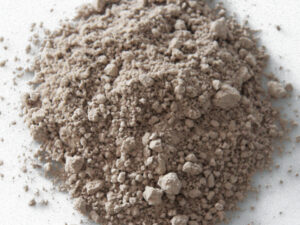
- Form: Irregular wood chips or coarse fibrous particles
- Color: Light brown to natural wood tone
- Particle Size: Typically 10–50 mm (custom screening available)
- Bulk Density: 0.20 – 0.35 MT/m³ (depending on moisture and chip size)
- Calorific Value: 3,000 – 4,500 kcal/kg (moisture dependent)
- Packaging Options:
- Bulk loose loading (walking floor or tipper trucks)
- Compressed bulk shipment in containers
- Jumbo bags (upon request)
- Shelf Life:
- 6–12 months when stored in dry, ventilated conditions to prevent biodegradation
3. Core Industrial Applications
Primary Industries:
- Biomass power generation
- Pulp and paper manufacturing
- MDF and particleboard production
- Biofuel and pellet manufacturing
- Agricultural and landscaping sectors
Operational Use Cases:
- Feedstock for biomass boilers and cogeneration plants
- Raw material for pulp fiber production
- Core material in engineered wood panels
- Input for wood pellet and briquette manufacturing
- Mulch or soil conditioning applications
Performance & Commercial Advantages:
- Renewable energy source with favorable carbon accounting
- Lower fuel cost compared to conventional fossil fuels
- Stable combustion performance when properly dried
- Reduces waste disposal costs for wood processors
- Consistent chip sizing improves processing efficiency in industrial systems
4. Competitive Advantages
- Quality Consistency: Screened and processed to ensure uniform chip size and controlled moisture levels.
- Supply Reliability: Continuous availability from established wood processing operations.
- Logistics Capability: High-volume bulk handling, containerized export, and efficient transport solutions.
- Price Competitiveness: Economical biomass alternative with predictable long-term pricing structures.
- Sustainability Benefits: Renewable, carbon-conscious feedstock supporting ESG and decarbonization targets.
- Technical Support: Moisture analysis reports, calorific value certification, and supply traceability documentation available.
Wood Chip Residue is positioned as a strategic biomass solution for industrial buyers focused on renewable energy integration, cost optimization, and sustainable material sourcing.
5. Commercial & Supply Information
- Minimum Order Quantity (MOQ): BULK 20 MT
- Loading Capacity:
- 20–25 MT per 20’ container (compressed bulk configuration)
- Larger bulk volumes available under long-term supply agreements

Reviews
There are no reviews yet.