

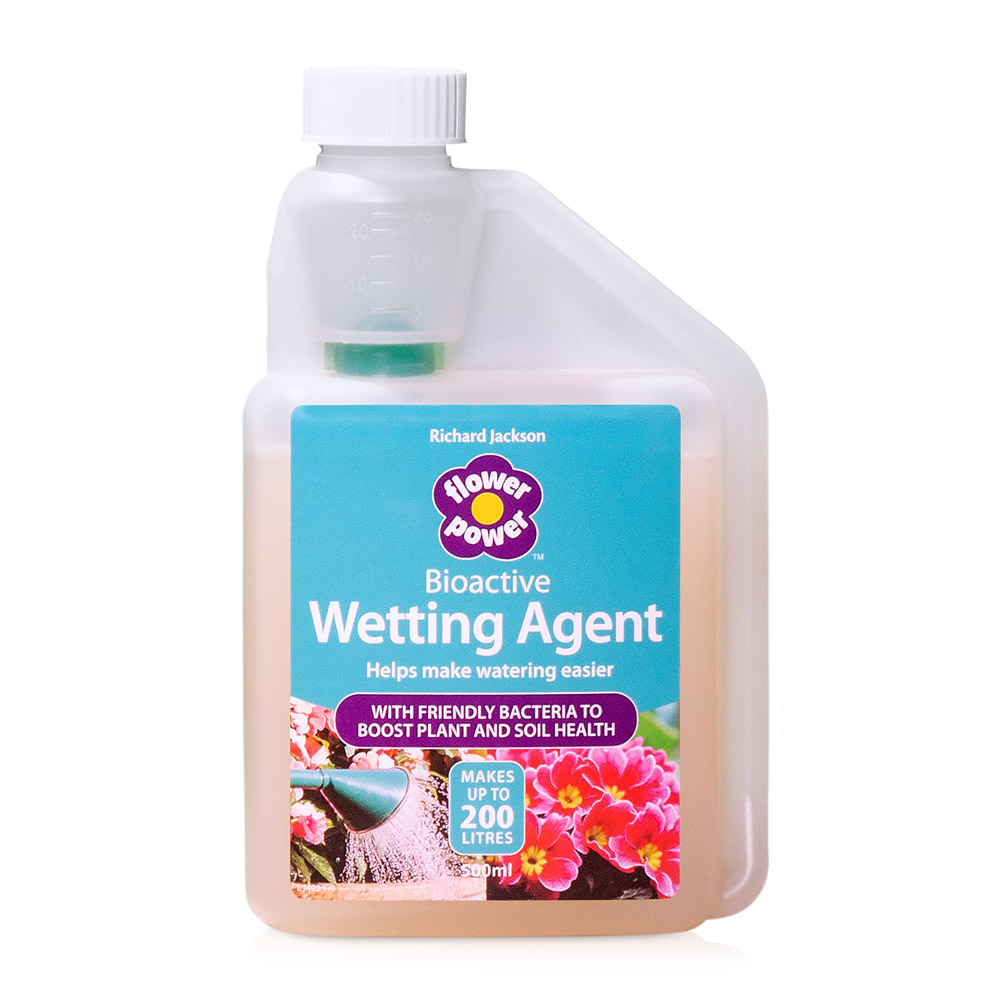
Description
1. Product Overview
Wetting Agents are specialized chemical additives designed to reduce surface tension in liquids, ensuring enhanced spread, penetration, and uniform coverage in industrial processes. Primarily used in coatings, detergents, agrochemicals, and textile treatment, they optimize efficiency and improve product performance across diverse applications. Strategically, wetting agents are critical for maximizing chemical efficacy, minimizing resource consumption, and ensuring consistent results in high-demand industrial operations. Their role in enhancing operational reliability makes them an indispensable component in global B2B supply chains.
2. Key Specifications & Technical Characteristics
- Chemical Composition: Nonionic, anionic, or cationic surfactant blends
- Purity/Grade: Industrial-grade, ≥95% active content
- Physical Form: Liquid or powder
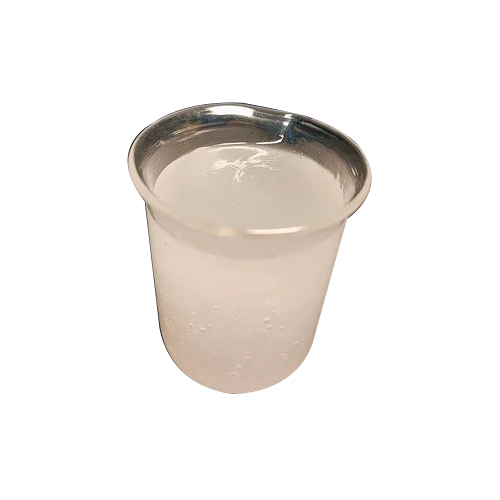
- Color: Clear to pale yellow (liquid); off-white (powder)
- Density: 1.0–1.2 g/cm³ (liquid)
- Particle Size: Fine powder <100 µm (if powdered form)
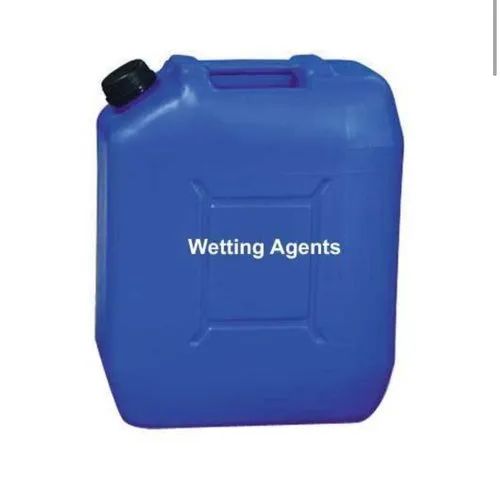
- Packaging Options: 200 kg drums, 1,000 kg IBCs, or bulk tanker delivery
- Shelf Life: 12–24 months under recommended storage conditions
3. Core Industrial Applications
- Textile Industry: Enhances fabric wetting, dye penetration, and uniform finishing
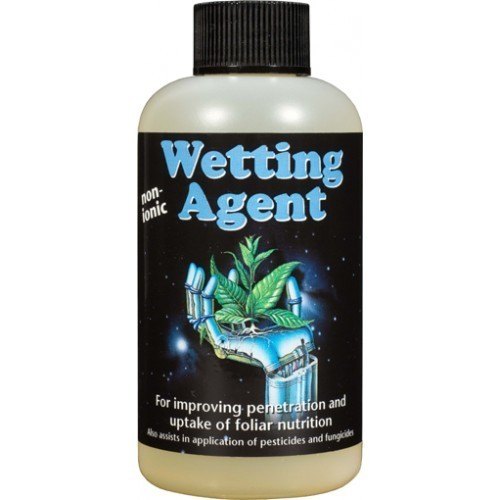
- Agrochemicals: Improves pesticide and herbicide dispersion for consistent crop coverage
- Coatings & Paints: Ensures smooth application and adhesion of paints, varnishes, and inks
- Detergents & Cleaning Agents: Maximizes cleaning efficiency and surface interaction
- Performance Advantage: Superior spreading, reduced chemical wastage, and enhanced process consistency compared to generic surfactants
4. Competitive Advantages
- Quality Consistency: Strict industrial-grade standards ensure reliable batch-to-batch performance
- Supply Reliability: Global logistics network enables timely delivery for continuous operations
- Price Competitiveness: Optimized production reduces procurement cost without compromising quality
- Sustainability: Low environmental impact formulations available for green industrial initiatives
- Technical Support: Comprehensive documentation, safety datasheets, and application guidance
5. Commercial & Supply Information
- Minimum Order Quantity (MOQ): BULK 20 MT
- Loading Capacity: 20–22 MT per 20-ft container, depending on packaging and form


Reviews
There are no reviews yet.