
Description
The Unsung Hero of Clean Water: Understanding Well Casing Pipes
When we turn on the tap and expect clean, fresh water, we rarely think about the complex infrastructure that makes it possible. One crucial component, often hidden from view, is the well casing pipe. Serving as the backbone of a well system, these pipes play a vital role in bringing groundwater to the surface while protecting it from contamination.
What is a Well Casing Pipe?
A well casing pipe is a large-diameter tube inserted into a drilled well to prevent the borehole from collapsing, seal off undesirable water-bearing zones, and protect the well water from contamination. Think of it as a structural lining for your well. It extends from the surface of the ground down into the aquifer, the underground layer of water-bearing rock or sediment.
Why are Well Casing Pipes So Important?
The importance of well casing pipes can’t be overstated. They provide several critical functions:
- Structural Integrity: The primary function is to maintain the structural integrity of the well borehole. Without a casing, the sides of the well could collapse, potentially damaging the well and making it unusable.
- Preventing Groundwater Contamination: This is perhaps the most important role. The casing seals off shallow, potentially contaminated groundwater layers from the deeper, cleaner aquifer. Runoff containing fertilizers, pesticides, or sewage can easily infiltrate shallow groundwater. The casing acts as a barrier, preventing these pollutants from reaching the drinking water source.
- Sealing Off Undesirable Water: Some geological formations contain water with high mineral content, salinity, or other undesirable characteristics. The casing allows drillers to isolate these zones, ensuring that only the desired water source is tapped.
- Facilitating Pump Installation and Maintenance: The casing provides a stable and consistent diameter for installing and maintaining the submersible pump that brings water to the surface.
Types of Well Casing Materials:
Over the years, different materials have been used for well casing pipes, each with its own advantages and disadvantages. Common materials include:
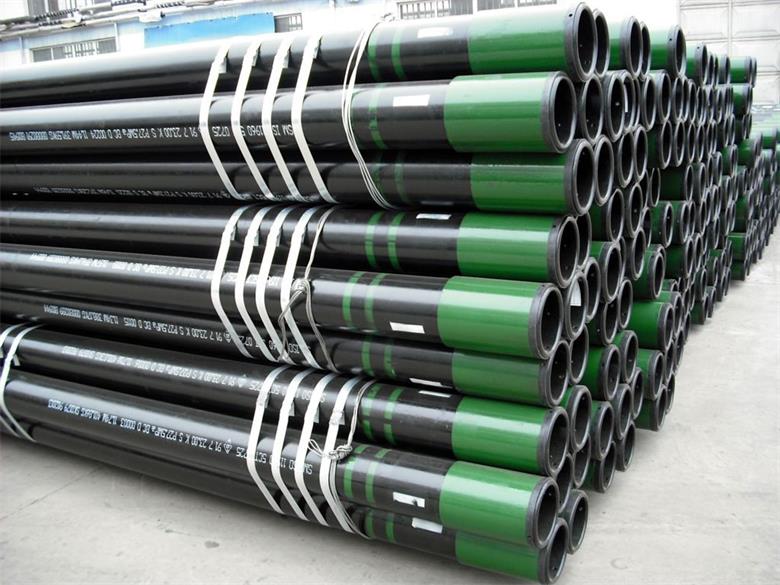
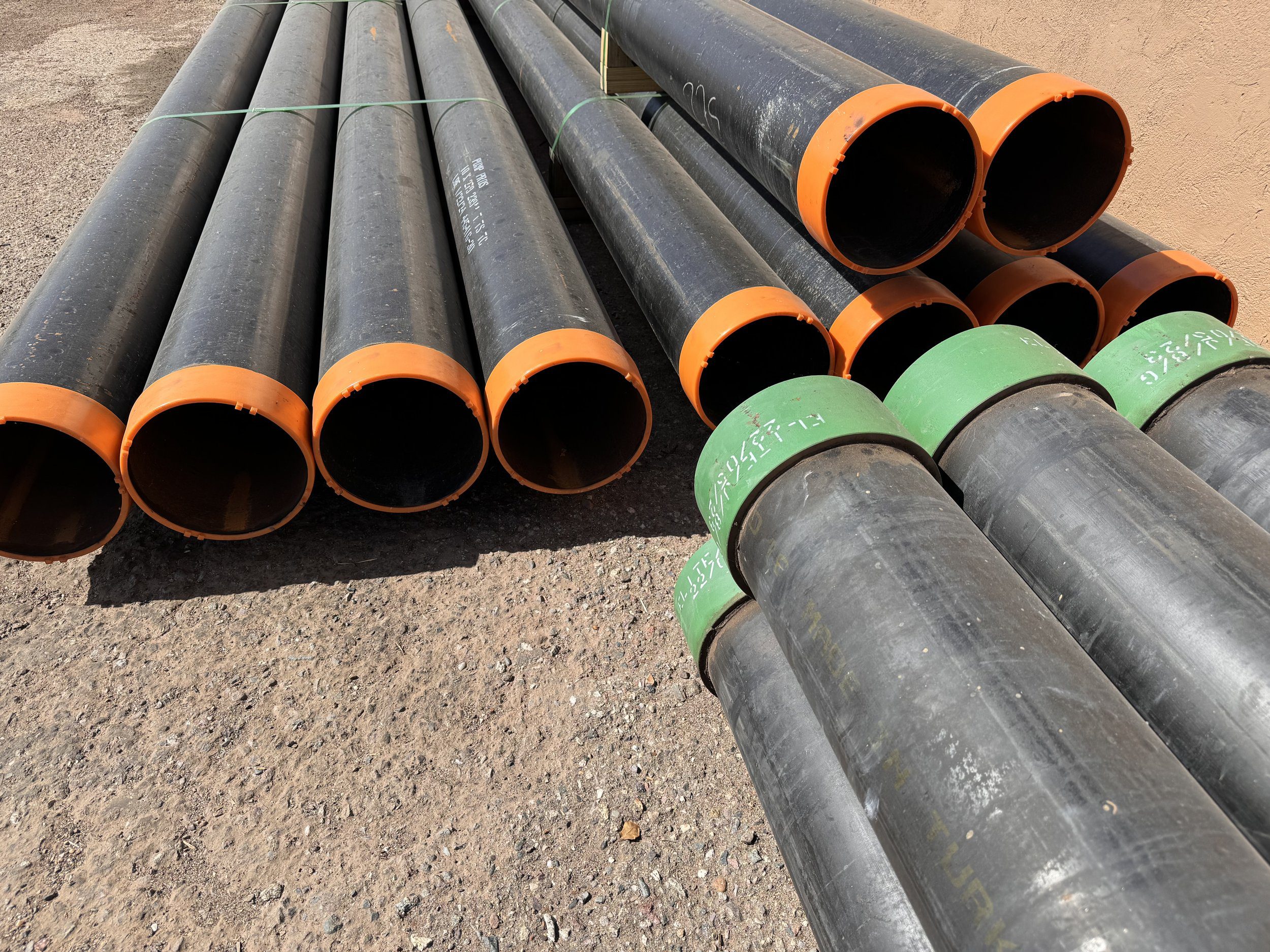
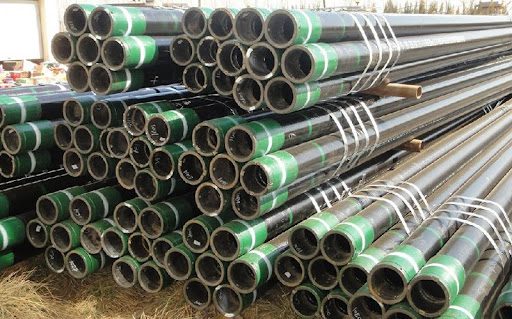
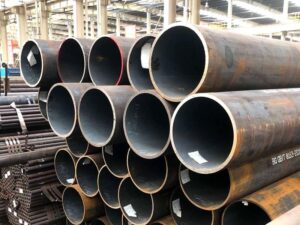
- Steel: Steel casing is strong and durable, making it a reliable choice for deep wells. However, steel is susceptible to corrosion, especially in acidic or saline groundwater.
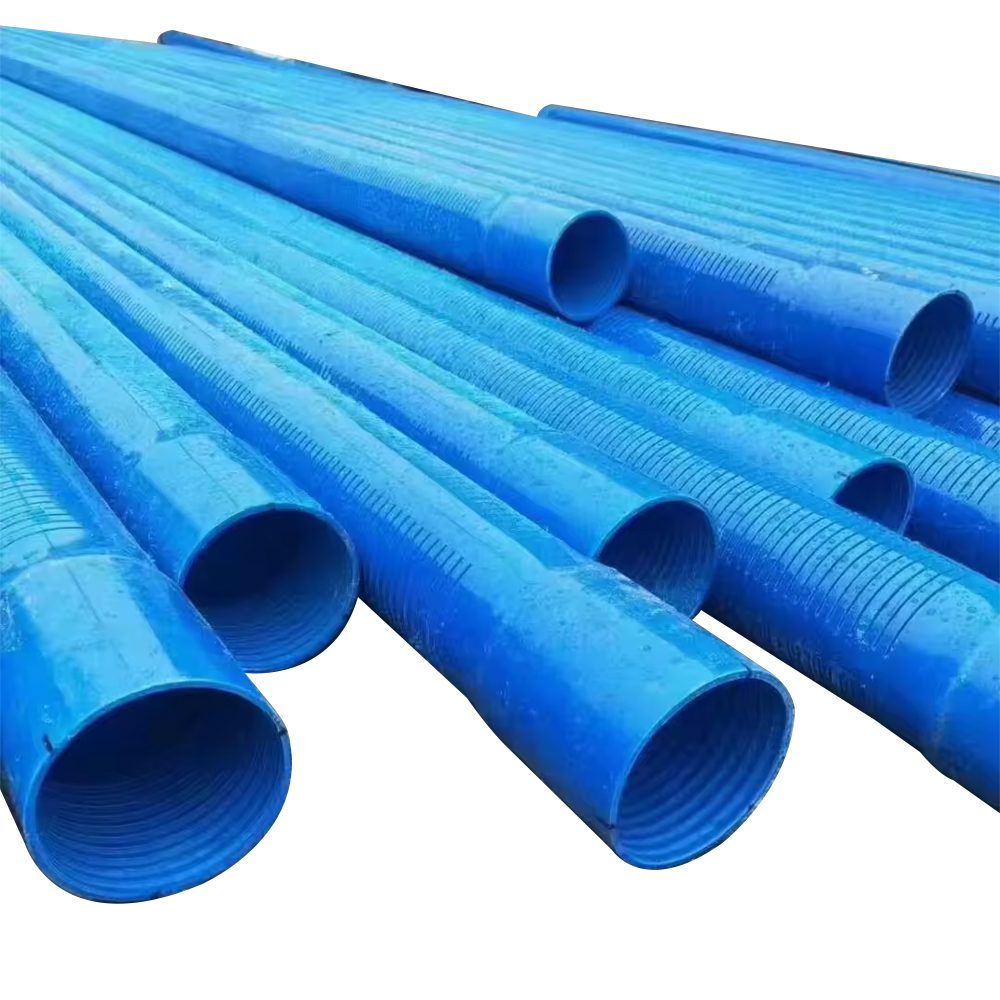
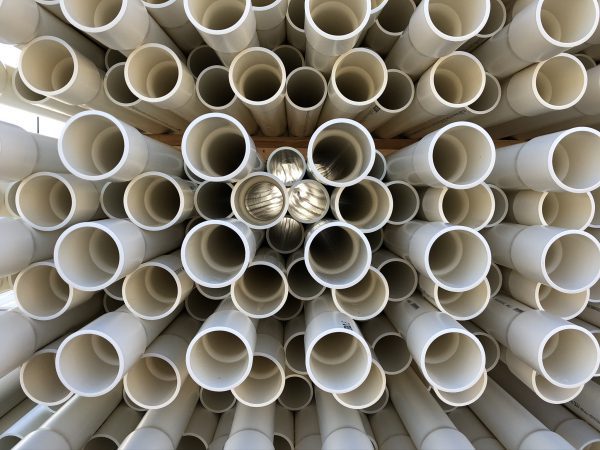
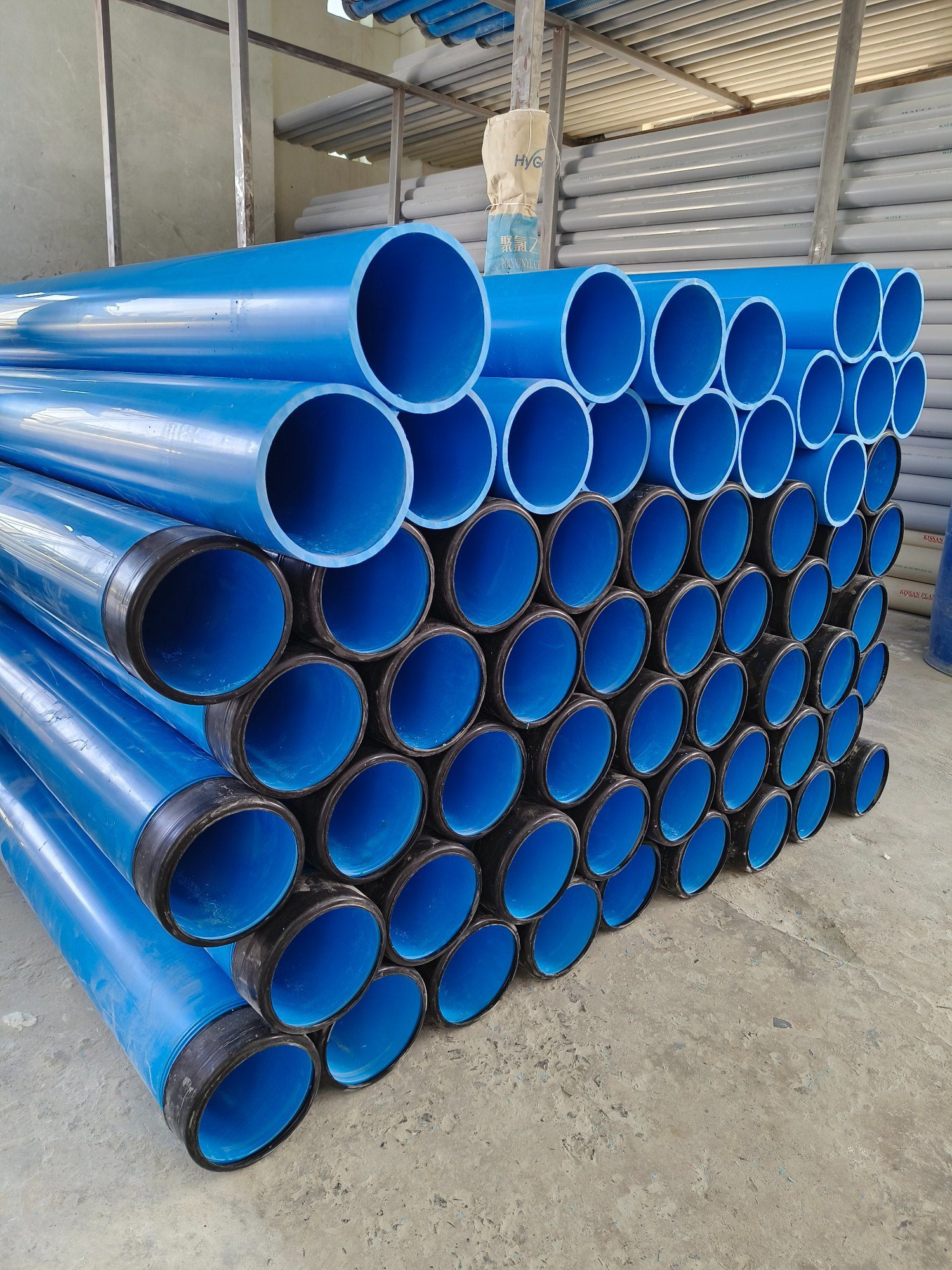
- PVC (Polyvinyl Chloride): PVC casing is lightweight, relatively inexpensive, and resistant to corrosion. It’s a popular choice for shallower wells. Modern PVC formulations are also highly durable.
- HDPE (High-Density Polyethylene): HDPE casing is flexible, corrosion-resistant, and easier to install than steel. Its flexibility allows it to withstand ground movement and seismic activity.
- Concrete: Concrete casing is mainly used for larger diameter wells and provides excellent structural support.
The choice of material depends on factors like well depth, water chemistry, soil conditions, and budget considerations.
Installation and Maintenance:
Proper installation is crucial for the effective performance of a well casing pipe. The casing must be properly sealed to prevent surface water from entering the well. Regular inspection and maintenance are also essential. Over time, corrosion, damage from ground movement, or other factors can compromise the integrity of the casing. A well inspection by a qualified professional can identify potential problems and ensure the continued safety of the water supply.
Conclusion:
While often overlooked, well casing pipes are an essential component of a safe and reliable water well system. They provide vital protection against contamination, ensure the structural integrity of the well, and facilitate the efficient delivery of groundwater. Understanding the function and importance of well casing pipes is crucial for anyone who relies on well water for their drinking water supply. By investing in quality materials, proper installation, and regular maintenance, we can ensure that these unsung heroes continue to protect our precious groundwater resources for generations to come.

Reviews
There are no reviews yet.