


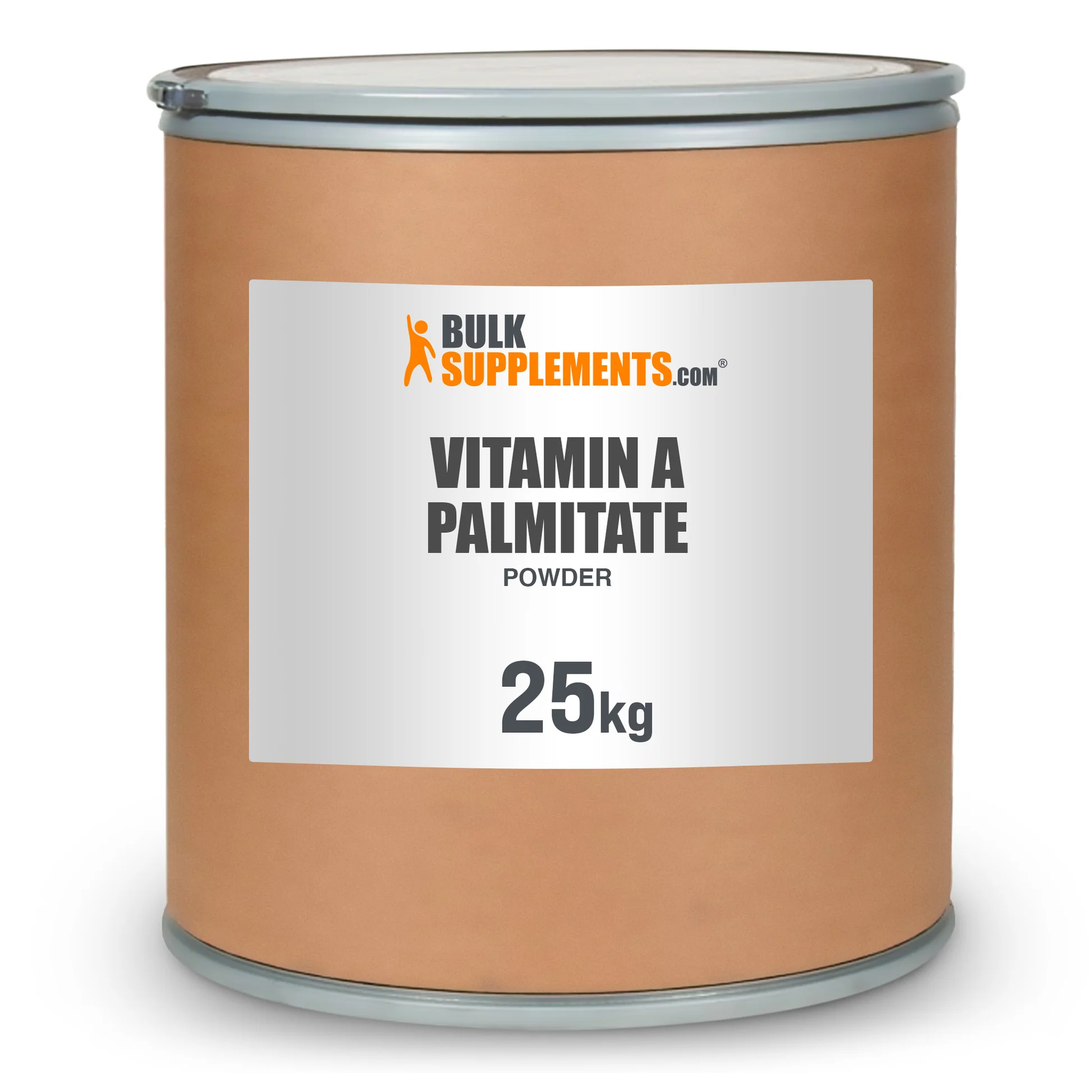
Description
1. Product Overview
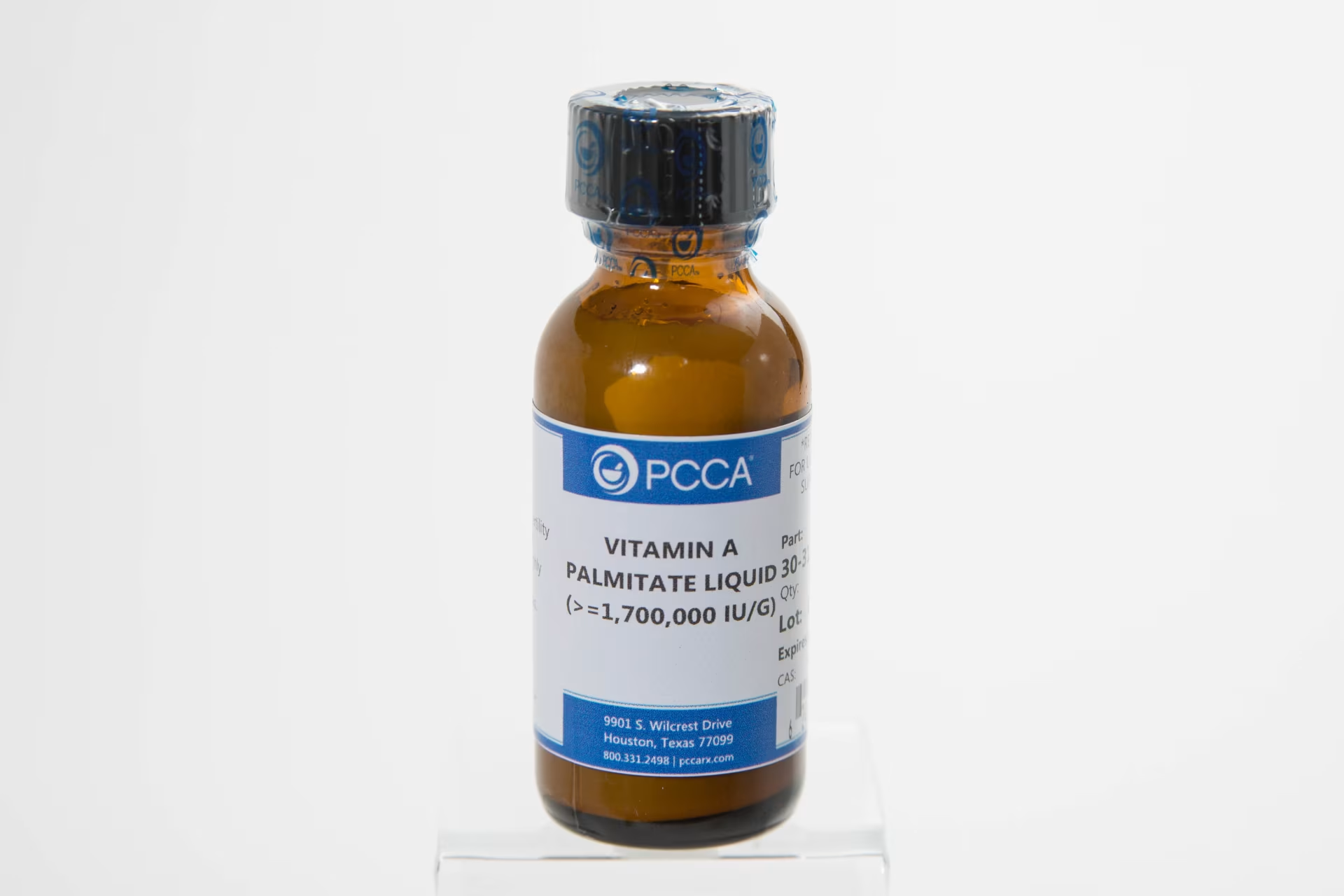
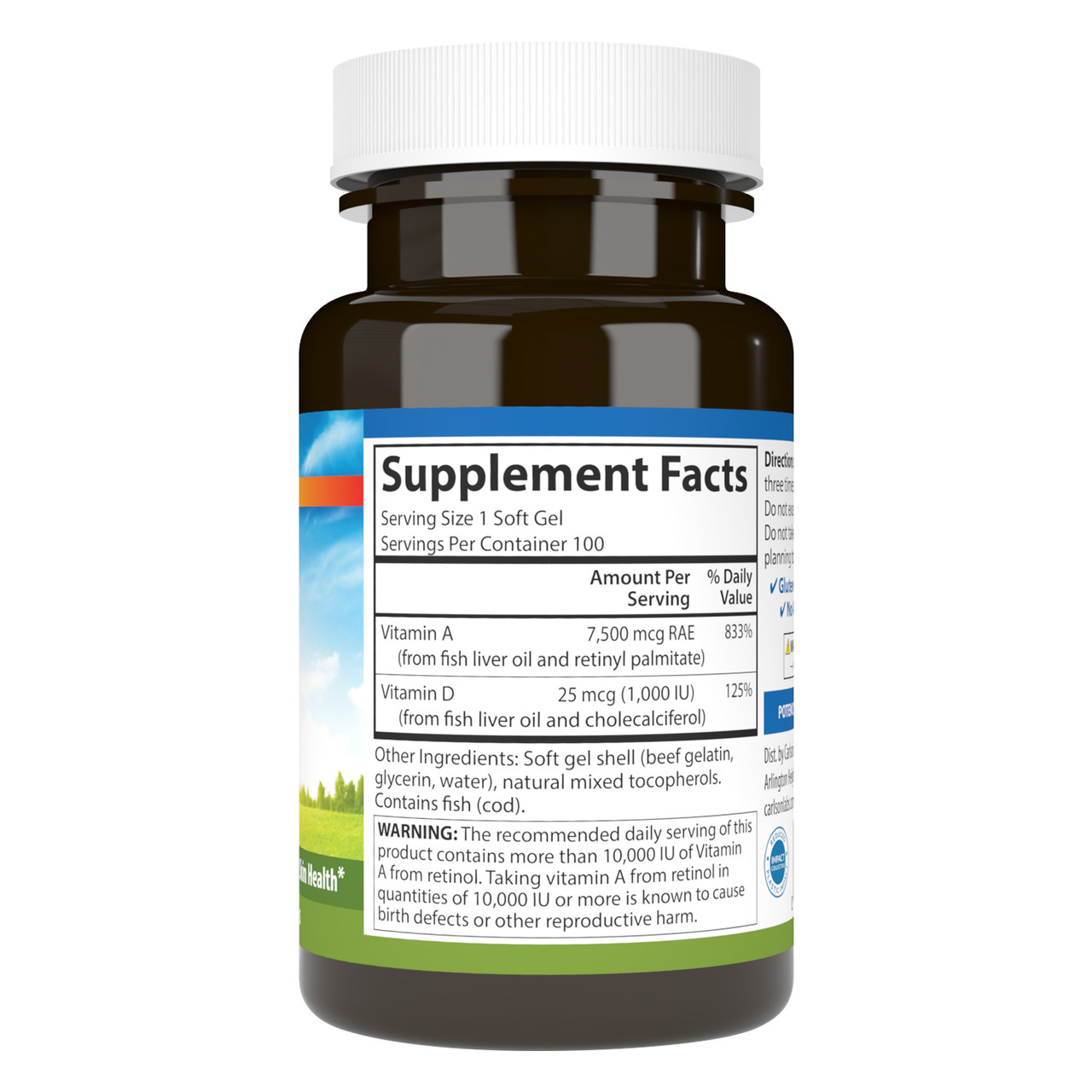
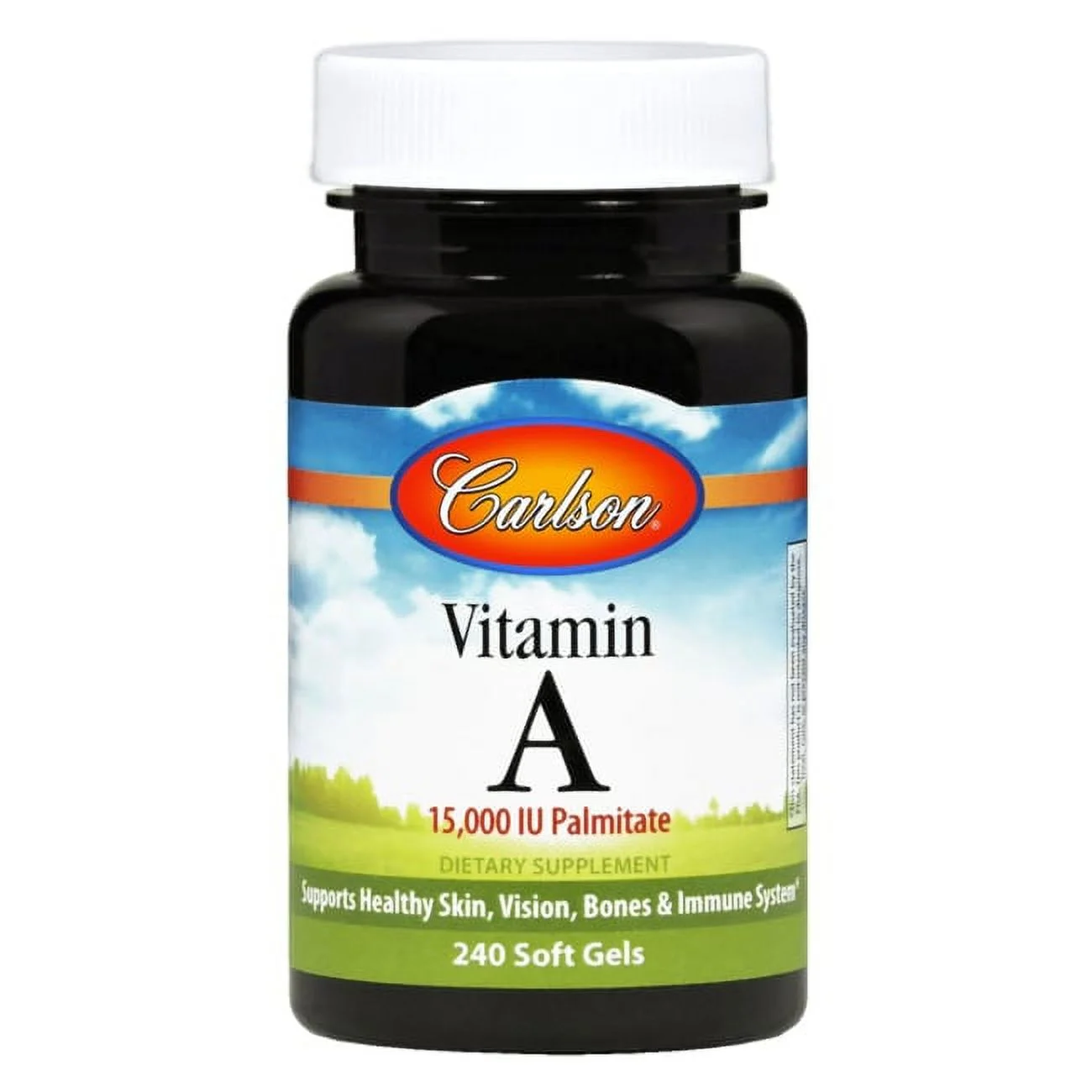
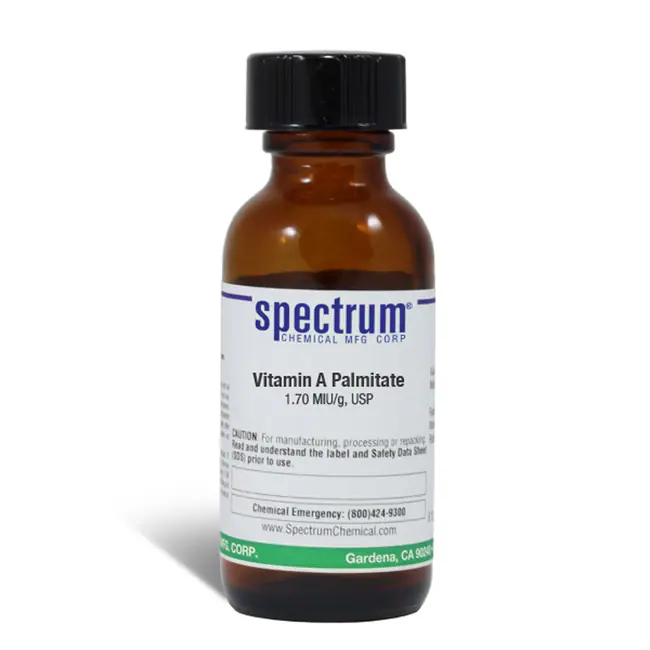
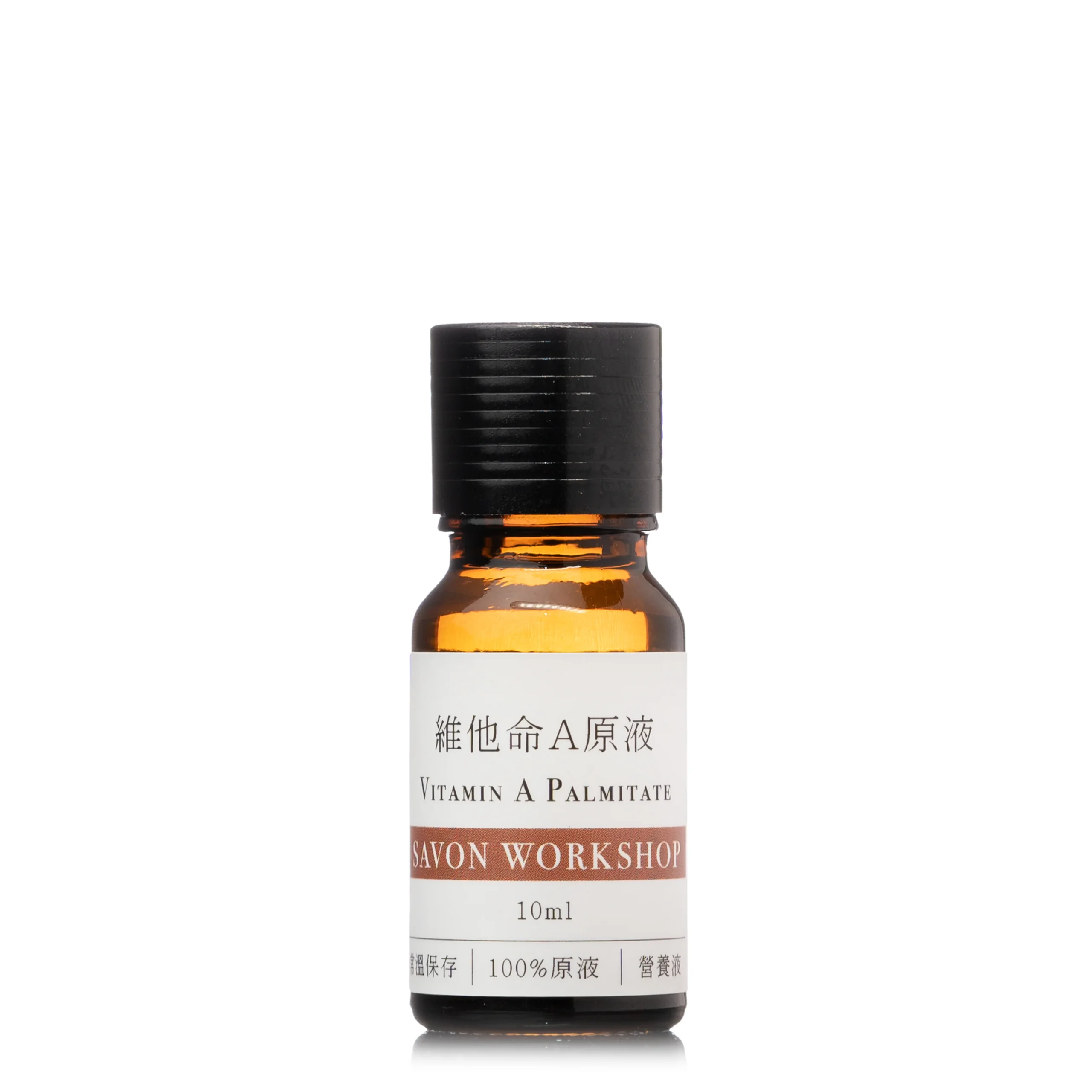
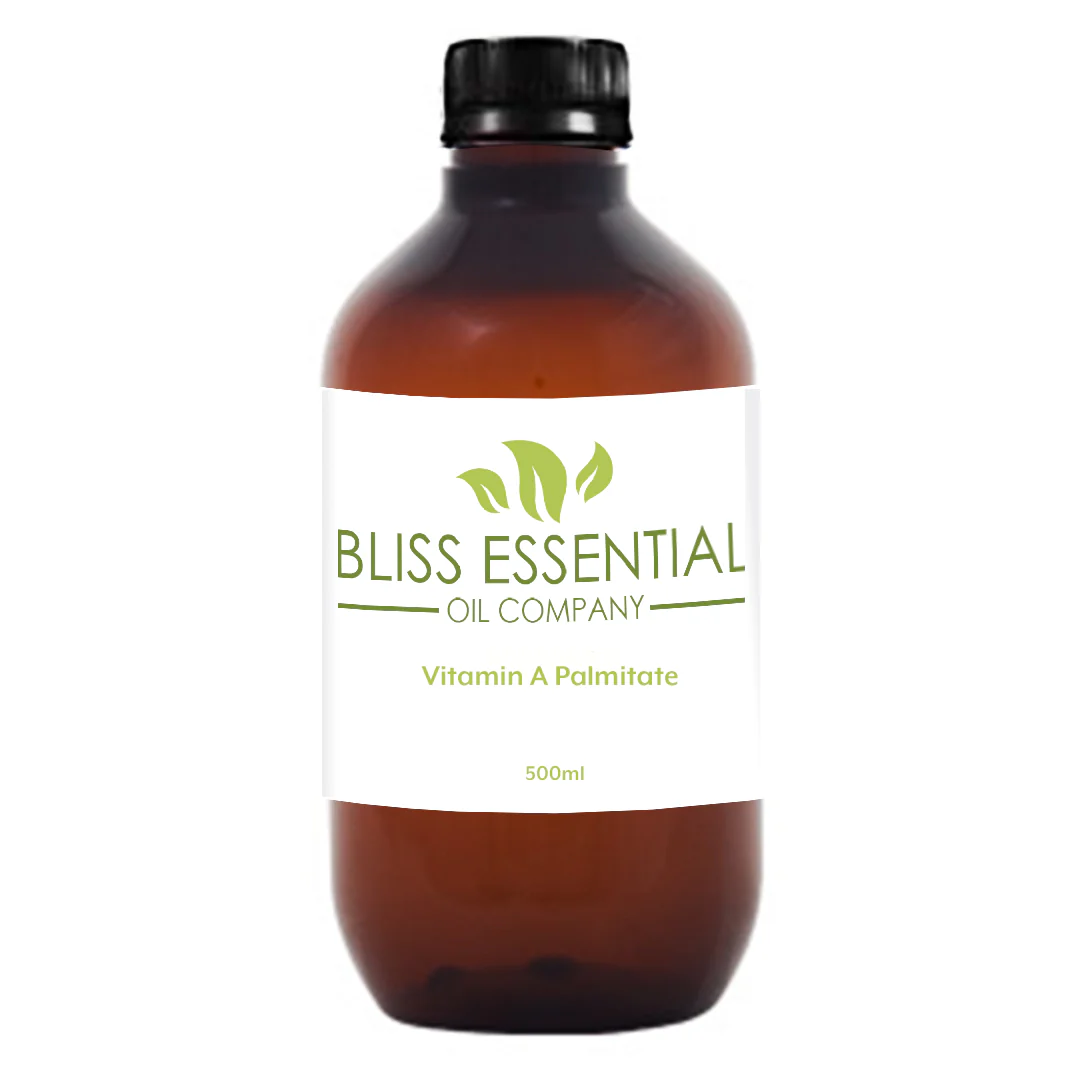
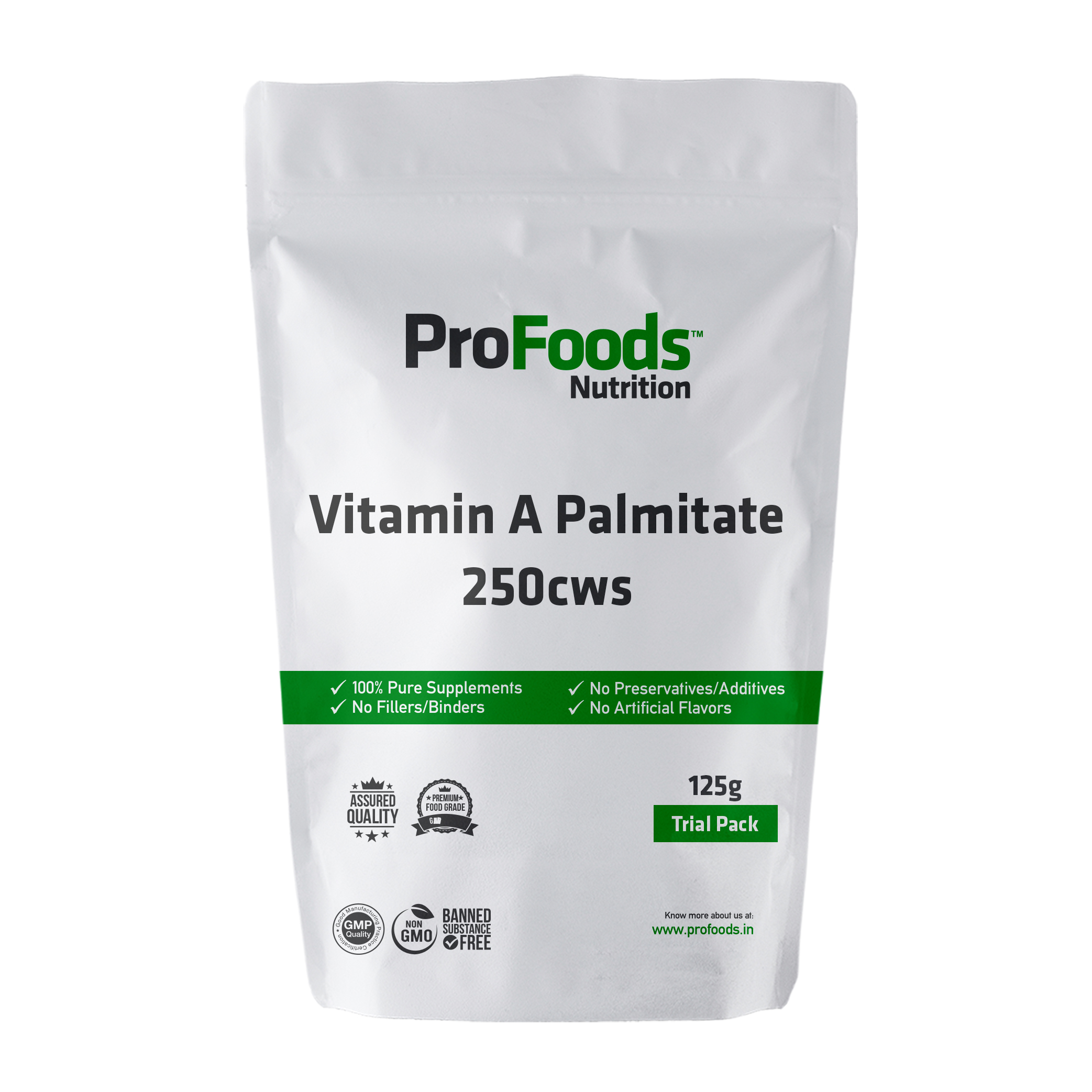
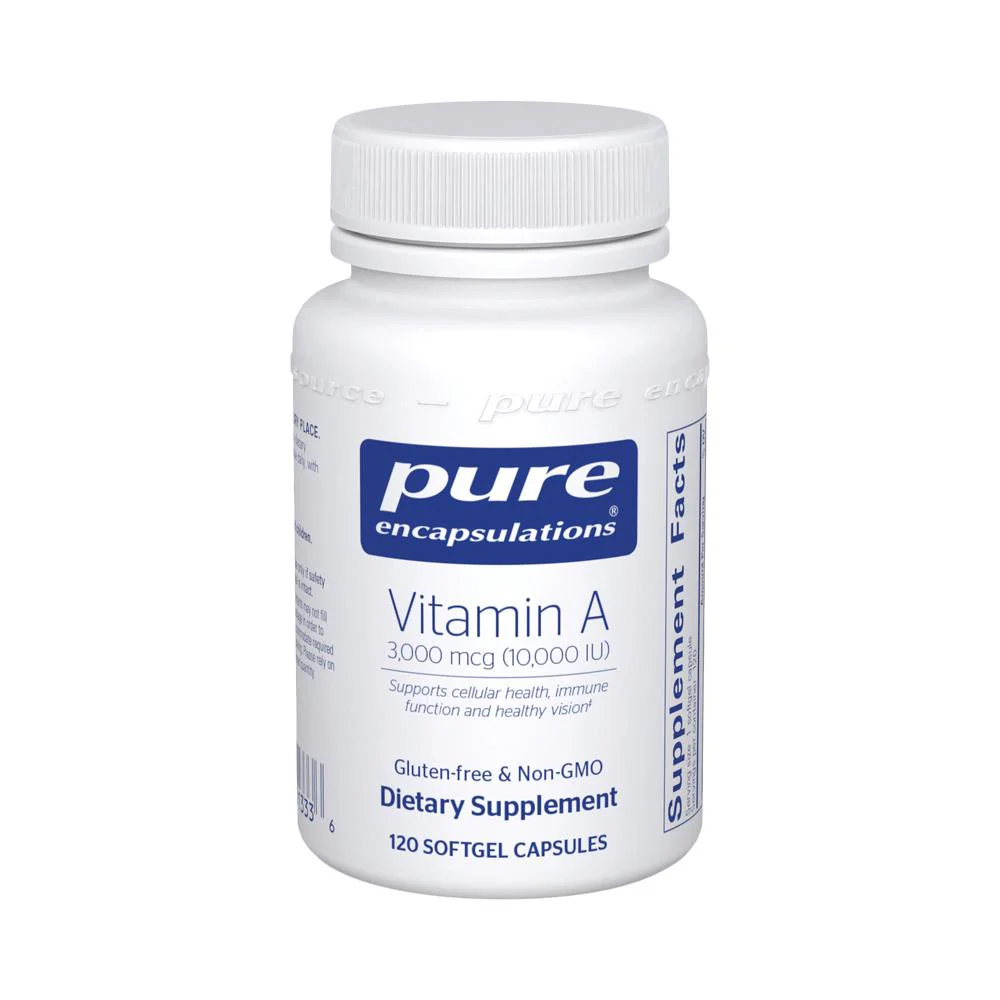
Vitamin A Palmitate is a fat-soluble ester of retinol and palmitic acid, widely recognized for its essential role in nutrition and fortification. Its primary industrial use is in dietary supplements, fortified foods, pharmaceuticals, and animal feed to provide stable, bioavailable vitamin A. The key value proposition lies in its high potency, chemical stability, and ease of incorporation into diverse formulations, ensuring consistent nutritional delivery. Strategically, Vitamin A Palmitate supports global health initiatives, food enrichment programs, and high-demand supplement manufacturing, making it a critical ingredient in both human and animal nutrition markets. Its reliability and standardized quality make it an indispensable choice for industrial-scale nutrition and pharmaceutical applications.
2. Key Specifications & Technical Characteristics
- Chemical Composition / Material Components:
- Retinyl Palmitate (Vitamin A Palmitate)
- Carrier oils or excipients (if applicable, batch-specific)
- Purity Level / Grade:
- Food-grade / Pharmaceutical-grade
- Typically ≥ 98% active retinyl palmitate
- COA available for each batch
- Physical Characteristics:
- Form: Powder or oil-dispersed liquid
- Color: Pale yellow to light amber
- Odor: Mild characteristic odor
- Solubility: Fat-soluble, stable in oils and emulsions
- Density: Varies by formulation, typically 0.9–1.1 g/cm³
- Packaging Options:
- Drums (25–200 kg)
- Bulk ISO tank or IBC containers for liquid formulations
- Tamper-evident, moisture-resistant packaging for powders
- Shelf Life:
- 24 months under recommended storage conditions
- Store in cool, dry, and dark environments to prevent oxidation
3. Core Industrial Applications
Primary Industries:
- Nutraceuticals and dietary supplement manufacturers
- Food and beverage fortification producers
- Pharmaceutical formulation companies
- Animal feed and aquaculture industries
Operational Use Cases:
- Vitamin fortification of dairy, cereals, and beverages
- Inclusion in soft gel capsules, tablets, or oil suspensions
- Nutritional enrichment of feed for livestock, poultry, and aquaculture
- Ingredient in prenatal, pediatric, and general dietary supplement formulations
Performance & Cost Advantages:
Vitamin A Palmitate offers superior stability compared to free retinol, enabling long shelf life and reduced degradation during storage or processing. Its compatibility with oils, powders, and emulsions allows flexible formulation, improving operational efficiency and reducing wastage compared to alternative vitamin A sources.
4. Competitive Advantages
- Quality Consistency: Batch-to-batch uniformity with verified potency
- Supply Reliability: Continuous industrial-scale production and bulk availability
- Logistics Capability: Safe transport with compliance for fat-soluble vitamins
- Price Competitiveness: Optimized cost per unit of active vitamin A
- Sustainability Benefits: Supports health-focused fortification and animal nutrition programs
- Technical Support: Documentation, COA, SDS, and formulation guidance provided
As a strategic sourcing decision, Vitamin A Palmitate enables manufacturers to ensure product efficacy, regulatory compliance, and competitive advantage in nutrition-driven markets.
5. Commercial & Supply Information
- Minimum Order Quantity (MOQ): BULK 20MT
- Loading Capacity (MT per container): 20–24 MT per 20’ ISO tank container (liquid) or equivalent bulk drum shipment


Reviews
There are no reviews yet.