
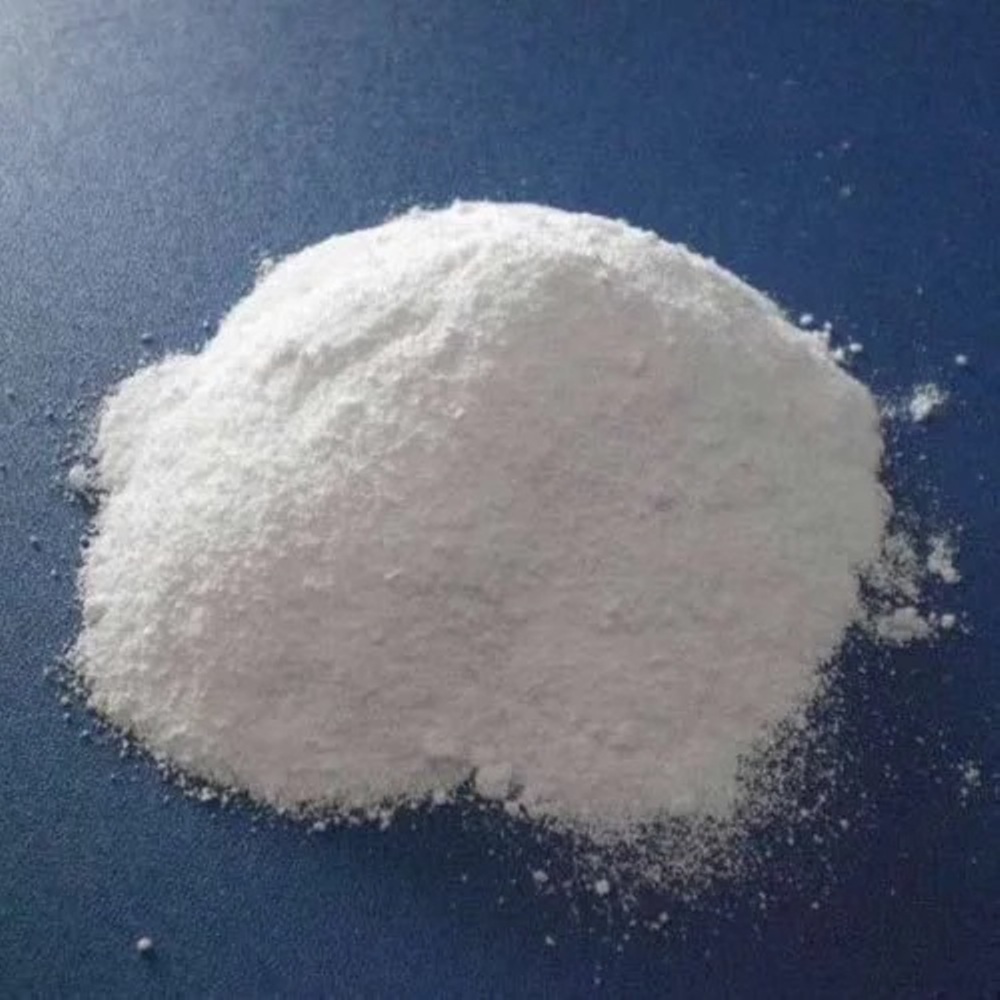
Description
Vinyl Sulfone: The Reactive Marvel You Probably Never Heard Of (But Use Every Day!)
In the vast and intricate world of chemistry, some molecules are loud and attention-grabbing, while others quietly underpin countless innovations, working behind the scenes. Vinyl sulfone undoubtedly falls into the latter category. It’s a compound that, despite its relatively complex name, plays a remarkably simple yet powerful role in everything from the clothes on your back to cutting-edge medical research.
So, let’s pull back the curtain and shine a spotlight on this unsung hero: Vinyl Sulfone.
What Exactly Is Vinyl Sulfone? (The Chemistry, Simplified)
At its heart, vinyl sulfone is an organic compound characterized by two key features:
- A Vinyl Group: This is a carbon-carbon double bond ($C=C$). In organic chemistry, double bonds are often sites of reactivity, meaning they love to participate in chemical reactions.
- A Sulfone Group: This is a sulfur atom double-bonded to two oxygen atoms and single-bonded to two carbon atoms ($SO_2$). Crucially, in vinyl sulfone, the sulfone group is directly attached to the vinyl group.
It’s this elegant combination that gives vinyl sulfone its unique “superpower”: its exceptional reactivity with nucleophiles.
The Magic Behind the Molecule: Why It’s So Reactive
The secret to vinyl sulfone’s utility lies in a reaction mechanism known as Michael addition. Here’s the simplified breakdown:
The sulfone group is a strong electron-withdrawing group. Think of it like a tiny, powerful magnet pulling electrons away from its surroundings. When this electron-hungry sulfone group is attached to the vinyl double bond, it makes one of the carbons in that double bond highly electrophilic – essentially, it makes it very attractive to electron-rich species, called nucleophiles.
In simple terms, vinyl sulfone acts like a molecular “velcro” patch, designed to stick to anything with a spare pair of electrons. And what kind of molecules have spare pairs of electrons? Many, including:
- Amines (-NH2): Found in proteins, amino acids.
- Thiols (-SH): Also found in proteins (cysteine residues) and many biological molecules.
- Hydroxyls (-OH): Found in alcohols, sugars, and cellulose (the main component of cotton).
When a nucleophile encounters vinyl sulfone under the right conditions, it readily adds across the double bond, forming a stable, covalent (and often irreversible) bond. This ability to selectively and permanently bond with nucleophiles is what makes vinyl sulfone so incredibly versatile.
Where Vinyl Sulfone Makes its Mark: Real-World Applications
Now for the exciting part – seeing how this chemical property translates into everyday impact:
- The Textile Industry: The Brilliance of Reactive Dyes This is perhaps vinyl sulfone’s most widespread application, and it’s why your clothes hold their color so well! Many vibrant cotton and cellulosic fabric dyes are “reactive dyes.” The vinyl sulfone moiety on these dye molecules allows them to chemically bond directly with the hydroxyl groups on cellulose fibers.
- Result: The dye becomes an integral part of the fabric, making the colors incredibly wash-fast and resistant to fading, unlike older dyes that simply sit on the surface.
- Bioconjugation & Biomedicine: A Bridge Builder for Biology In biochemistry and biomedical research, vinyl sulfone is a powerful tool for attaching molecules together.
- Protein Labeling: Researchers use vinyl sulfone-activated tags to covalently attach fluorescent markers, biotin, or other labels to proteins, particularly targeting amino acid residues like cysteine (with its thiol group) or lysine (with its amine group). This is crucial for studying protein function, localization, and interactions.
- Hydrogels & Biomaterials: Vinyl sulfone-functionalized polymers can be cross-linked under mild conditions (crucial for biological applications) to create hydrogels for tissue engineering, drug delivery systems, and biosensors.
- Drug Delivery: It can be used to conjugate drugs to carrier molecules, improving their targeting or stability.
- Polymer Science & Materials: Enhancing Properties Beyond textiles and biology, vinyl sulfone finds uses in general polymer chemistry.
- Cross-linking Agents: It can act as a cross-linker, connecting polymer chains to create stronger, more durable materials with improved mechanical properties, thermal stability, or specific functionalities.
- Surface Modification: By covalently attaching to surfaces, vinyl sulfone can be used to introduce new functionalities, making surfaces more biocompatible, adhesive, or resistant to fouling.
The Future is Bright for This Reactive Marvel
As our understanding of chemistry and materials science deepens, the utility of vinyl sulfone continues to expand. From developing next-generation smart textiles and advanced biomaterials to refining diagnostic tools and therapeutic delivery systems, this unassuming molecule is a cornerstone for innovation.
So the next time you admire a vividly colored shirt or learn about a breakthrough in medical science, take a moment to appreciate the unsung hero that might be working tirelessly behind the scenes: the versatile and reactive vinyl sulfone. It’s a testament to how elegantly simple chemistry can lead to profoundly impactful real-world applications.


Reviews
There are no reviews yet.