

Description
1. Product Overview
Vegetable Oil Soapstock is a by-product generated during the alkali refining of crude vegetable oils. Rich in fatty acids, soaps, residual oils, and phospholipids, it is widely utilized as a cost-effective raw material in various industrial processes including soap manufacturing, animal feed additives, biodiesel production, and oleochemical processing. Its high organic content and fatty acid value make it a valuable secondary resource for industries seeking efficient and economical feedstocks. In today’s circular economy, Vegetable Oil Soapstock plays a strategic role by enabling manufacturers to recover valuable lipids while reducing waste and improving overall process sustainability.
2. Key Specifications & Technical Characteristics
- Chemical Composition:
- Fatty acids (40–70%)
- Residual vegetable oil (10–25%)
- Sodium soaps
- Phospholipids and minor organic compounds
- Moisture and trace minerals
- Purity / Grade:
- Industrial grade by-product from vegetable oil refining
- Physical Characteristics:
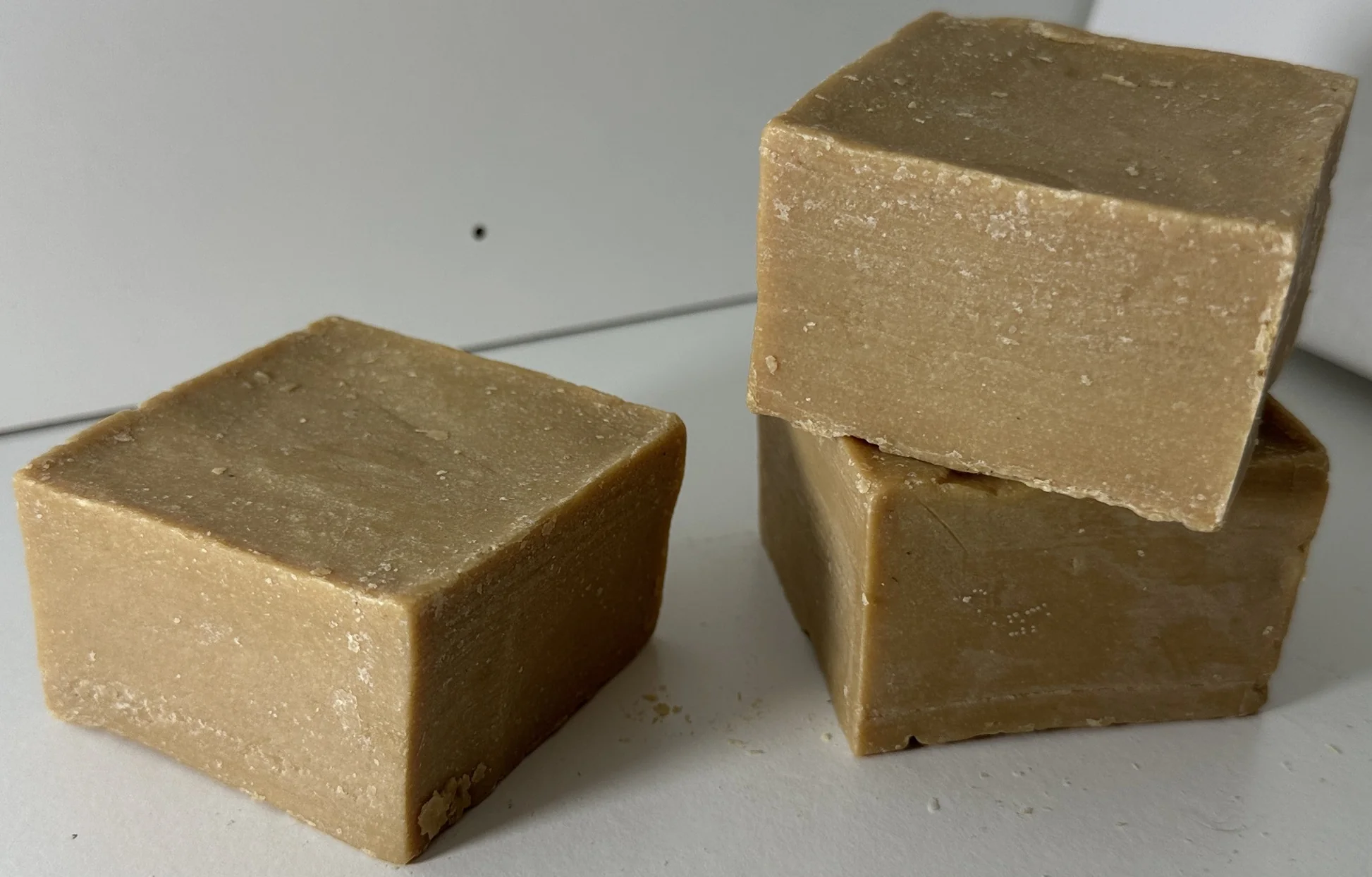
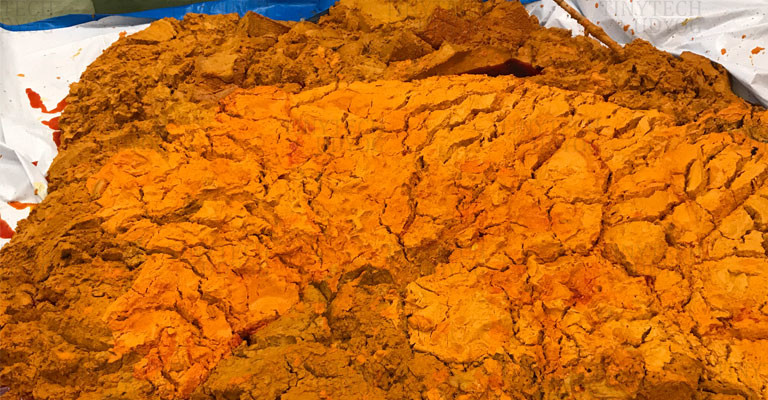
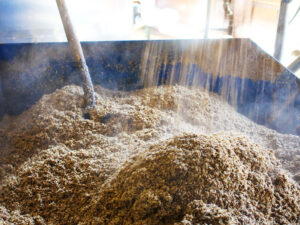
- Form: Semi-liquid / viscous paste
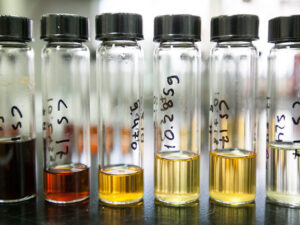
- Color: Dark brown to black
- Odor: Characteristic fatty odor
- Density: Approximately 0.95–1.05 g/cm³
- Consistency: Thick emulsion or slurry depending on moisture content
- Packaging Options:
- Bulk tanker loading
- IBC containers
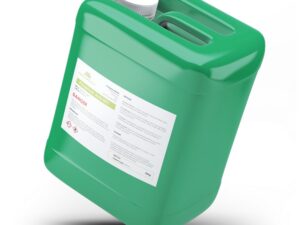
- Industrial drums (200L)
- Flexitanks for export shipments
- Shelf Life:
- Typically 6–12 months when stored in sealed containers away from excessive heat and contamination
3. Core Industrial Applications
Vegetable Oil Soapstock is utilized across multiple industrial sectors where fatty acid-rich feedstocks are required for chemical conversion or formulation.
- Soap and Detergent Manufacturing:
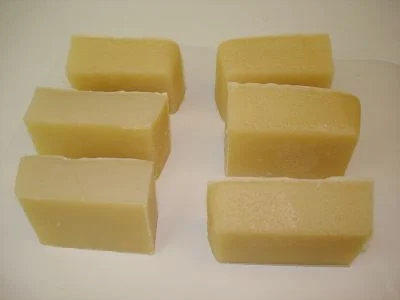
Soapstock serves as a cost-efficient feedstock for soap production due to its high fatty acid and soap content, reducing reliance on refined oils. - Oleochemical Processing:
It is processed into acid oil and fatty acids used in lubricants, surfactants, and specialty chemicals. - Biodiesel Production:
The residual oils and fatty acids can be converted into biodiesel feedstock, supporting renewable fuel initiatives. - Animal Feed Additives:
After proper treatment and processing, it can be incorporated into feed formulations as an energy-rich additive. - Industrial Fatty Acid Recovery:
Refiners and chemical processors utilize soapstock to recover valuable fatty acids that can be further refined into commercial oleochemicals.
Compared with refined oil inputs, Vegetable Oil Soapstock offers significantly lower raw material costs while still providing high lipid content for downstream processing.
4. Competitive Advantages
- Quality Consistency
Sourced from established vegetable oil refining operations with controlled processing conditions. - Reliable Bulk Supply
Continuous generation from large-scale oil refining ensures stable long-term availability. - Efficient Global Logistics
Flexible shipping formats including bulk tankers, flexitanks, and containerized drums enable efficient international distribution. - Cost-Effective Feedstock
Provides a significantly lower-cost alternative to refined vegetable oils for fatty acid recovery and industrial processing. - Sustainability Benefits
Supports circular economy principles by valorizing refinery by-products and reducing industrial waste. - Technical Documentation Support
Material specifications, safety documentation, and technical guidance available for industrial buyers.
5. Commercial & Supply Information
- Minimum Order Quantity (MOQ): BULK 20 MT
- Loading Capacity:
- 20–22 MT per 20 ft container (Flexitank / bulk liquid configuration)
- 80–100 drums per container depending on packaging format.
Reviews
There are no reviews yet.