
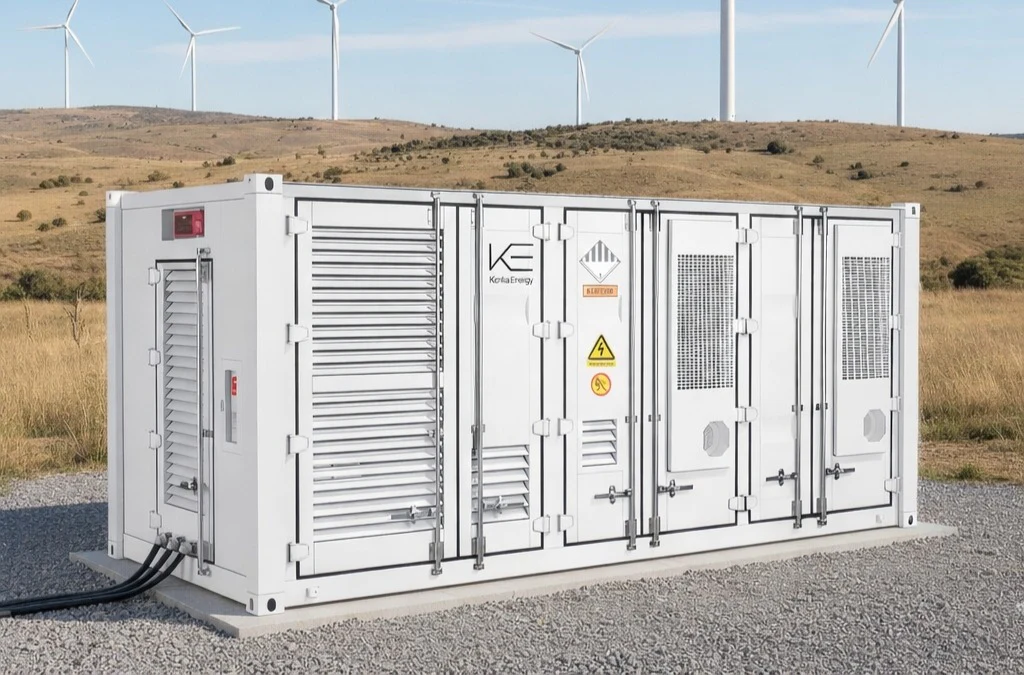
Description
1. Product Overview
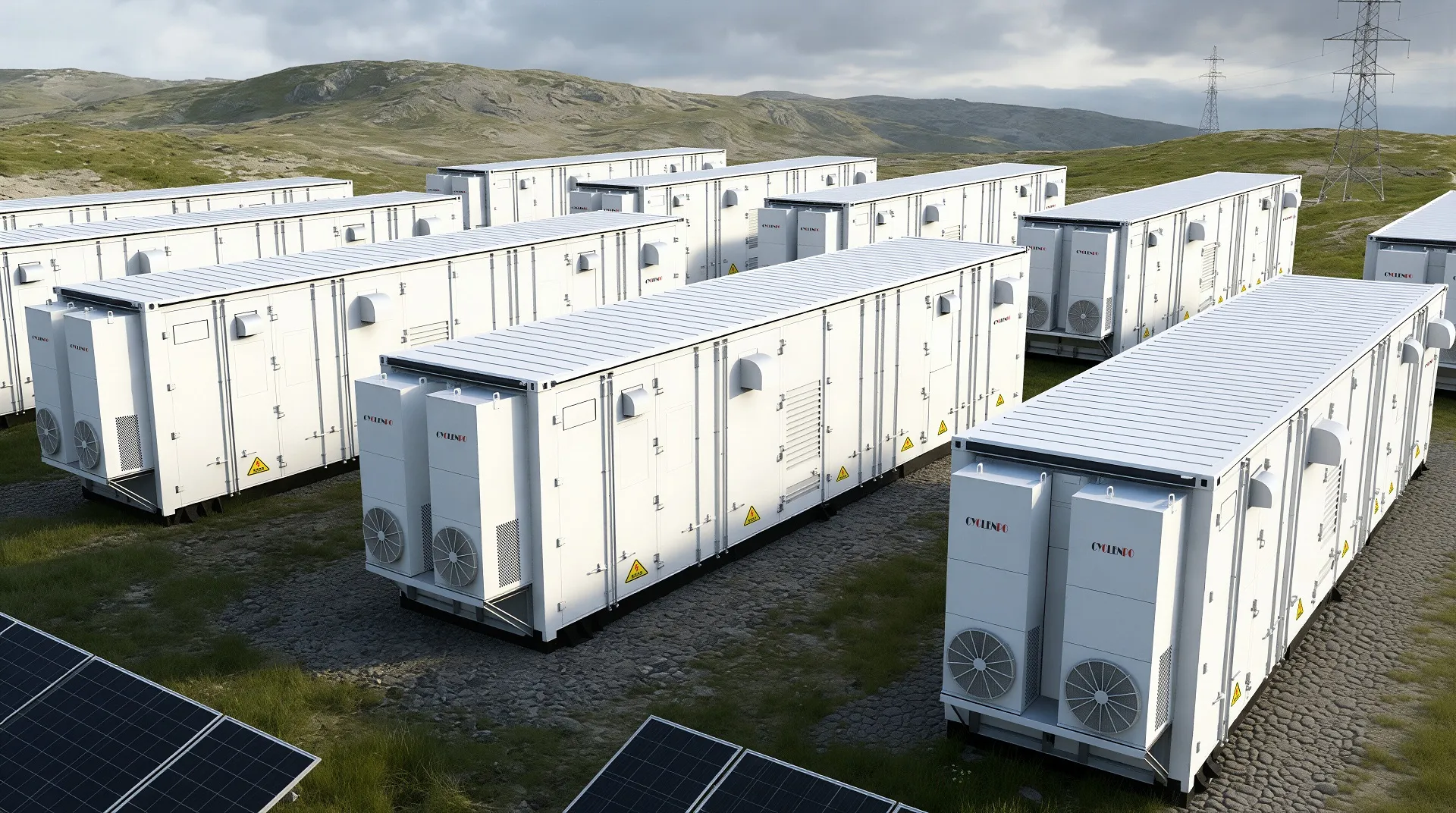
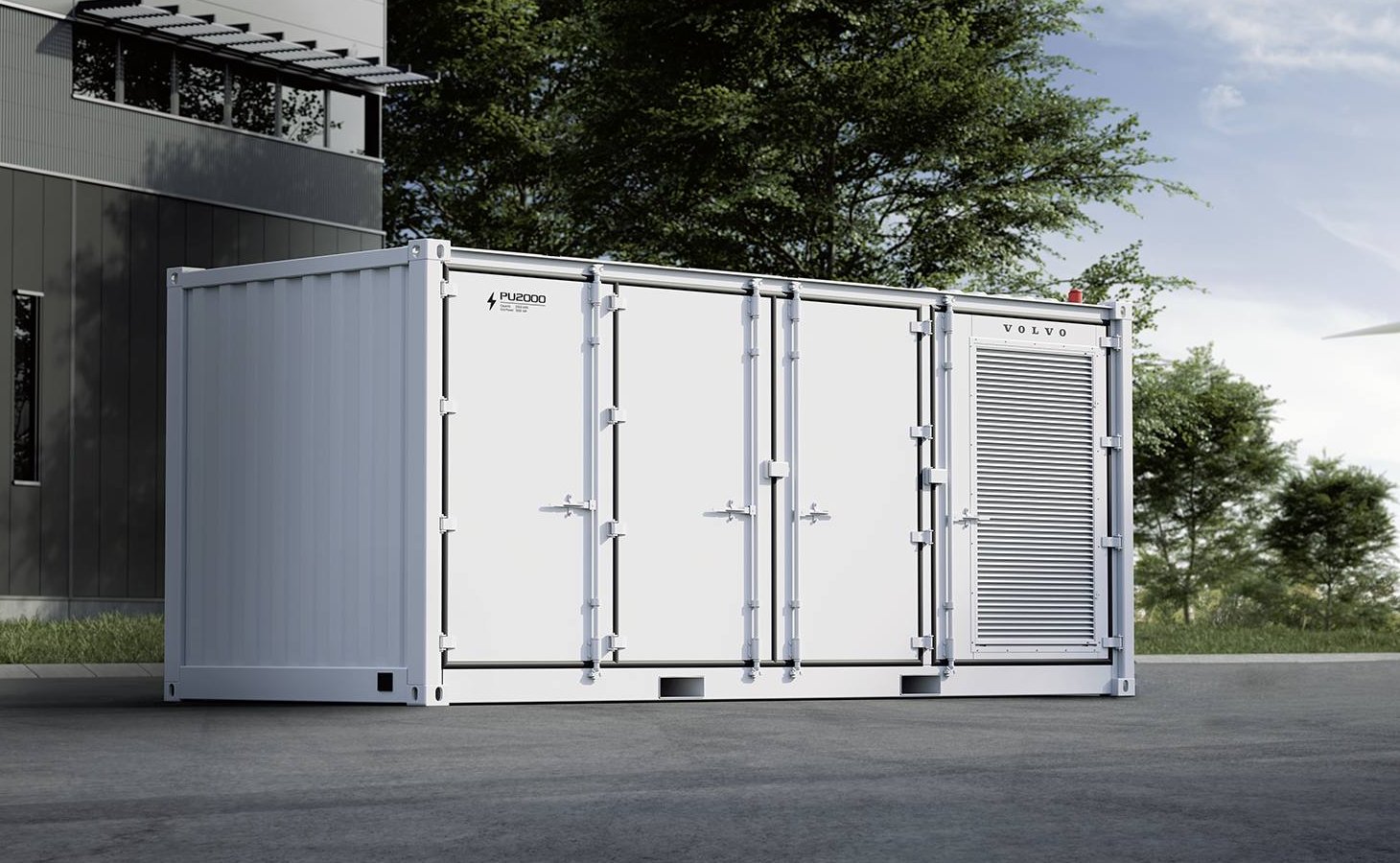
Utility-scale BESS (Containerized LFP) is a fully integrated Battery Energy Storage System (BESS) built around lithium iron phosphate (LFP) battery technology and housed in standardized containerized units for rapid deployment in grid-scale applications. Designed for power utilities, renewable energy developers, and large industrial facilities, the system stores excess electricity and delivers it during peak demand or grid instability events. Its key value proposition lies in enabling reliable energy storage with long cycle life, high safety performance, and low total cost of ownership. Strategically, containerized LFP BESS solutions play a critical role in stabilizing modern power grids and accelerating the integration of renewable energy sources such as solar and wind.
2. Key Specifications & Technical Characteristics
- Chemical Composition / Battery Technology:
- Lithium Iron Phosphate (LiFePO₄ – LFP) cathode chemistry
- Graphite anode
- Lithium salt electrolyte
- Integrated battery management system (BMS) and power electronics
- Purity Level / Grade:
- Utility-grade energy storage system
- Grid-compliant LFP battery modules manufactured to international energy storage standards
- Physical Characteristics:
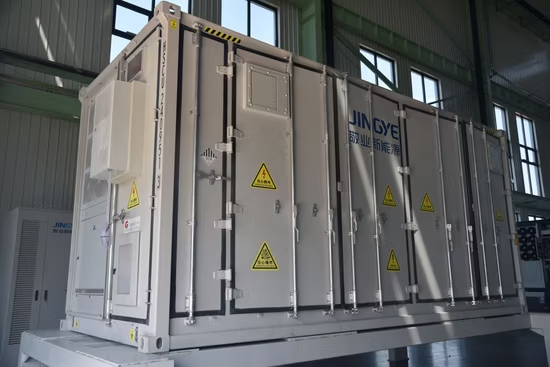
- Containerized modular system (typically 20 ft or 40 ft container)
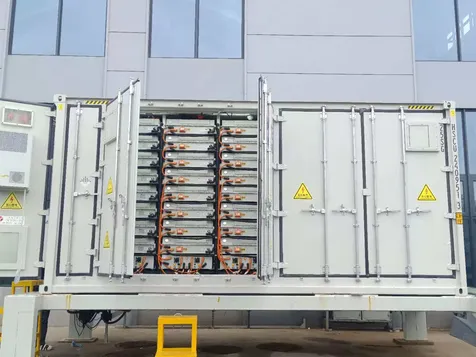
- Pre-integrated battery racks, thermal management, fire suppression, and control systems
- Steel container housing with industrial-grade corrosion protection
- Energy capacity: typically 1–5 MWh per container (configuration dependent)
- Nominal system voltage and power rating customized to project requirements
- Packaging Options:
- Fully assembled containerized units
- Pre-wired battery racks integrated with PCS (Power Conversion System)
- Optional site-ready skid or modular installation configurations
- Shelf Life:
- Designed operational life: typically 10–20 years
- Cycle life: up to 6,000–10,000 cycles depending on operating conditions
3. Core Industrial Applications
Primary Industries:
- Electric utilities and grid operators
- Renewable energy developers (solar and wind)
- Independent power producers (IPPs)
- Industrial energy users and microgrid operators
- Energy infrastructure and smart grid projects
Operational Use Cases:
- Renewable energy storage for solar and wind generation
- Grid frequency regulation and load balancing
- Peak shaving and demand charge reduction for industrial facilities
- Backup power and microgrid stabilization
- Energy arbitrage and time-shifting of electricity supply
Performance & Cost Advantages:
Containerized LFP BESS systems provide superior safety and thermal stability compared to many alternative lithium chemistries. Their long cycle life and low degradation rates significantly reduce lifecycle costs. Modular containerized deployment enables rapid installation, scalable capacity expansion, and reduced engineering complexity, making them highly efficient for large-scale energy infrastructure projects.
4. Competitive Advantages
- Quality Consistency: Manufactured using standardized LFP battery modules with integrated quality control systems
- Supply Reliability: Scalable production capacity with project-based manufacturing and delivery schedules
- Logistics Capability: Containerized format simplifies global shipping, site delivery, and installation
- Price Competitiveness: Lower lifecycle cost compared to many alternative energy storage technologies
- Sustainability Benefits: Supports renewable energy integration and grid decarbonization strategies
- Technical Documentation: Full engineering documentation, BMS specifications, safety certifications, and installation manuals available
Positioned as a strategic infrastructure investment, Utility-scale Containerized LFP BESS systems enable utilities and industrial energy users to improve grid resilience, optimize renewable energy utilization, and reduce long-term electricity costs.
5. Commercial & Supply Information
- Minimum Order Quantity (MOQ): BULK 20MT
- Loading Capacity (MT per container): Typically 20–30 MT per containerized BESS unit depending on system configuration and capacity


Reviews
There are no reviews yet.