
Description
1. Product Overview
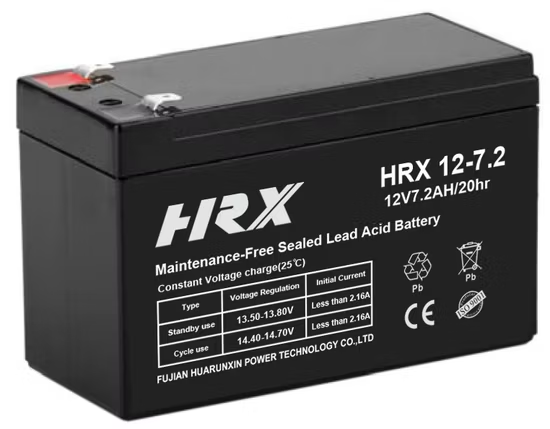
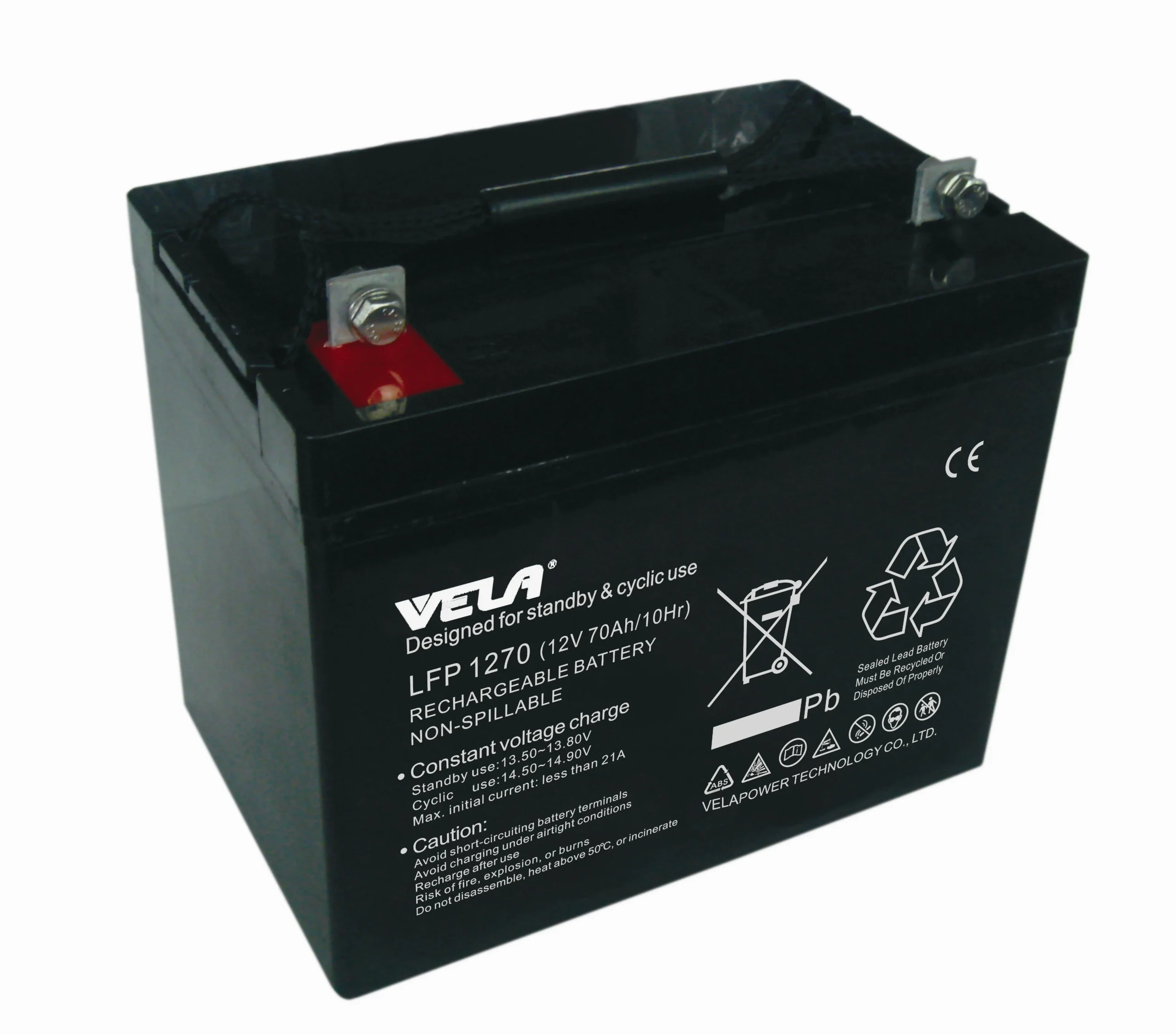
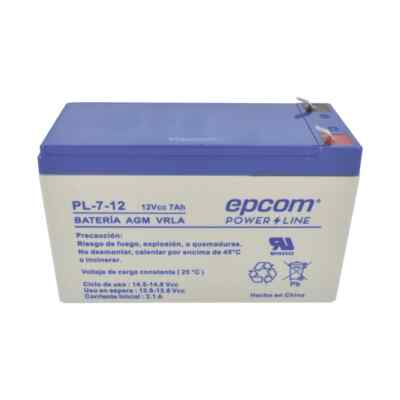
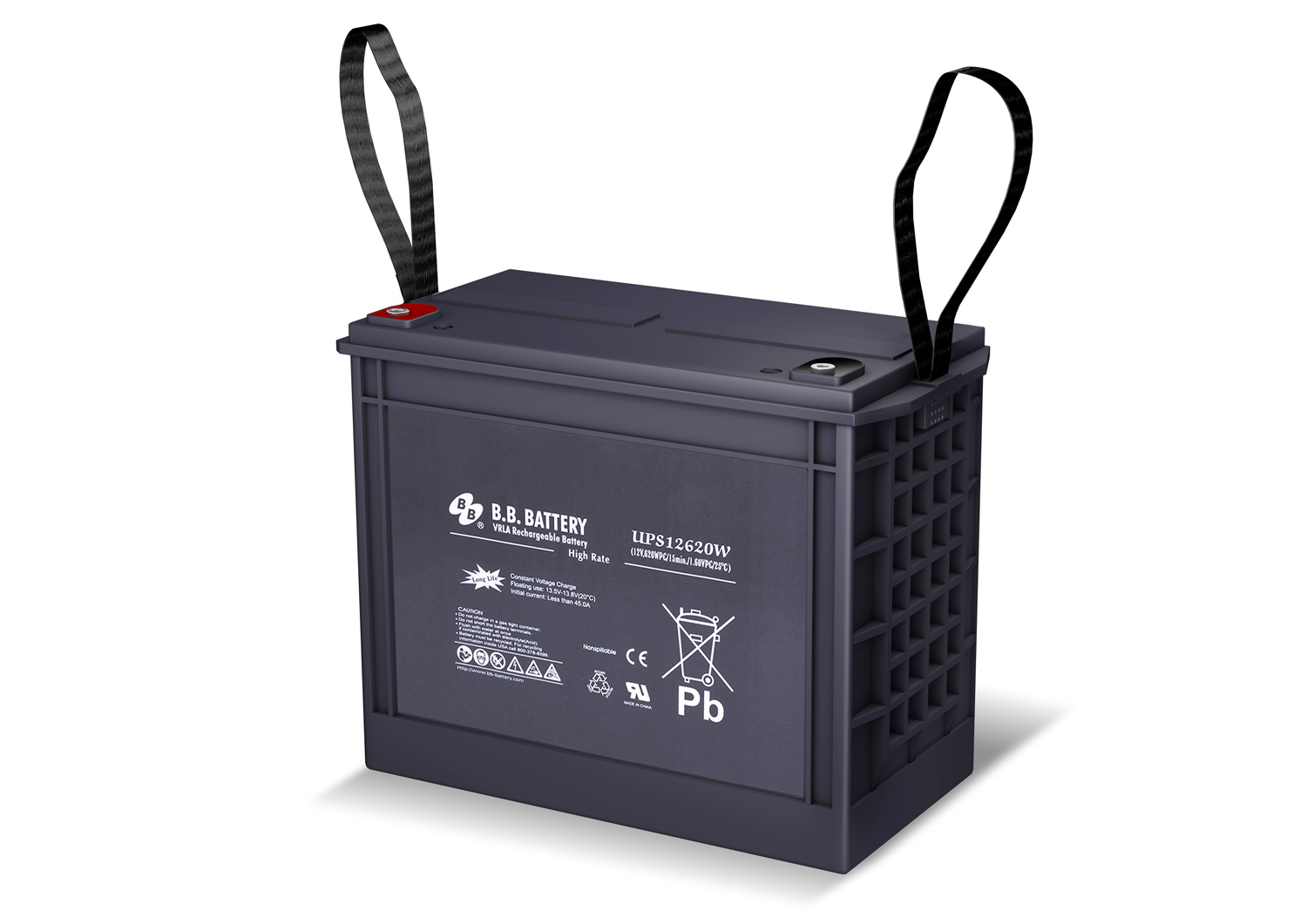
UPS batteries (VRLA & LFP) are high-reliability energy storage systems designed to provide uninterrupted backup power for mission-critical electrical infrastructure. These batteries are widely used in uninterruptible power supply (UPS) systems to ensure stable power during outages, voltage fluctuations, or grid instability. Combining the proven reliability of Valve-Regulated Lead-Acid (VRLA) technology with the high efficiency and long lifecycle of Lithium Iron Phosphate (LFP), these batteries deliver dependable power continuity across industrial and commercial environments. Their strategic importance continues to grow as global industries demand resilient energy infrastructure, data protection, and operational continuity.
2. Key Specifications & Technical Characteristics
- Battery Technologies:
- VRLA (Valve-Regulated Lead-Acid)
- LFP (Lithium Iron Phosphate – LiFePO₄)
- Chemical Composition:
- VRLA: Lead (Pb), lead dioxide (PbO₂), sulfuric acid electrolyte (H₂SO₄), fiberglass separators
- LFP: Lithium iron phosphate cathode (LiFePO₄), graphite anode, lithium salt electrolyte
- Purity / Grade:
- Industrial-grade electrochemical components
- High-purity lead plates (VRLA) and battery-grade lithium compounds (LFP)
- Physical Characteristics:
- Form: Sealed battery modules or rack-mounted battery packs
- Color: Typically black or dark grey casing
- Nominal voltage options: 12V, 24V, 48V, and scalable modular systems
- Energy density:
- VRLA: ~30–50 Wh/kg
- LFP: ~90–160 Wh/kg
- Cycle Life:
- VRLA: 500–1,200 cycles (depending on depth of discharge)
- LFP: 3,000–6,000+ cycles
- Operating Temperature Range:
- VRLA: typically –15°C to +50°C
- LFP: typically –20°C to +60°C
- Packaging Options:
- Individual battery units
- Rack-mounted modules
- Palletized industrial shipments
- Protective export-grade packaging
- Shelf Life:
- VRLA: 6–12 months with periodic recharge
- LFP: Up to 12–24 months under proper storage conditions
3. Core Industrial Applications
UPS batteries are essential for ensuring uninterrupted electrical supply in environments where power stability is critical. They are widely deployed in data centers, telecommunications networks, hospitals, manufacturing facilities, financial institutions, and critical infrastructure systems.
In data centers and IT facilities, UPS battery systems protect servers and digital infrastructure from power interruptions that could cause data loss or operational downtime. Telecommunications providers rely on these batteries to maintain network availability and prevent service disruption during grid failures. In industrial manufacturing environments, UPS systems safeguard automation equipment, control systems, and production lines from costly shutdowns.
Compared with conventional backup systems, VRLA batteries offer cost-effective reliability and established safety performance, while LFP batteries provide superior cycle life, faster charging capability, and higher energy density. This combination allows businesses to select optimized solutions based on lifecycle cost, operational requirements, and long-term reliability.
4. Competitive Advantages
- Quality Consistency: Manufactured using controlled electrochemical processes to ensure stable capacity, safety, and performance reliability.
- Supply Reliability: Scalable production capability suitable for large industrial deployments and infrastructure projects.
- Logistics Capability: Export-ready palletized packaging with global shipping support and containerized distribution.
- Price Competitiveness: Balanced lifecycle cost through efficient manufacturing and optimized battery technologies.
- Sustainability Benefits: LFP batteries offer lower environmental impact and longer operational life; VRLA batteries support well-established recycling systems.
- Technical Support: Detailed product datasheets, installation guidelines, and compliance documentation available for system integrators and procurement teams.
5. Commercial & Supply Information
- Minimum Order Quantity (MOQ): Bulk – 20 MT
- Loading Capacity: Approximately 20–22 MT per 20’ container (depending on battery format and packaging configuration)

Reviews
There are no reviews yet.