
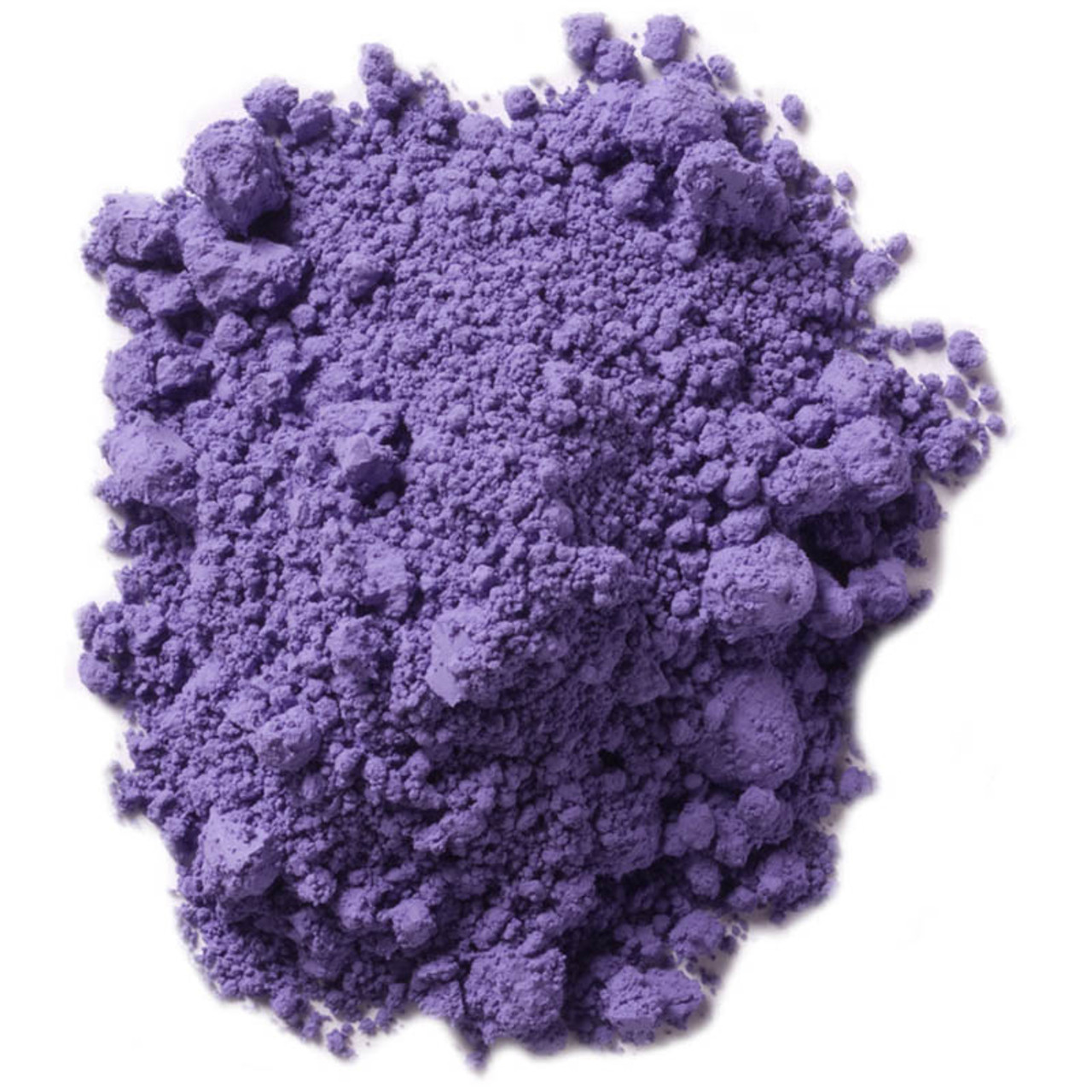
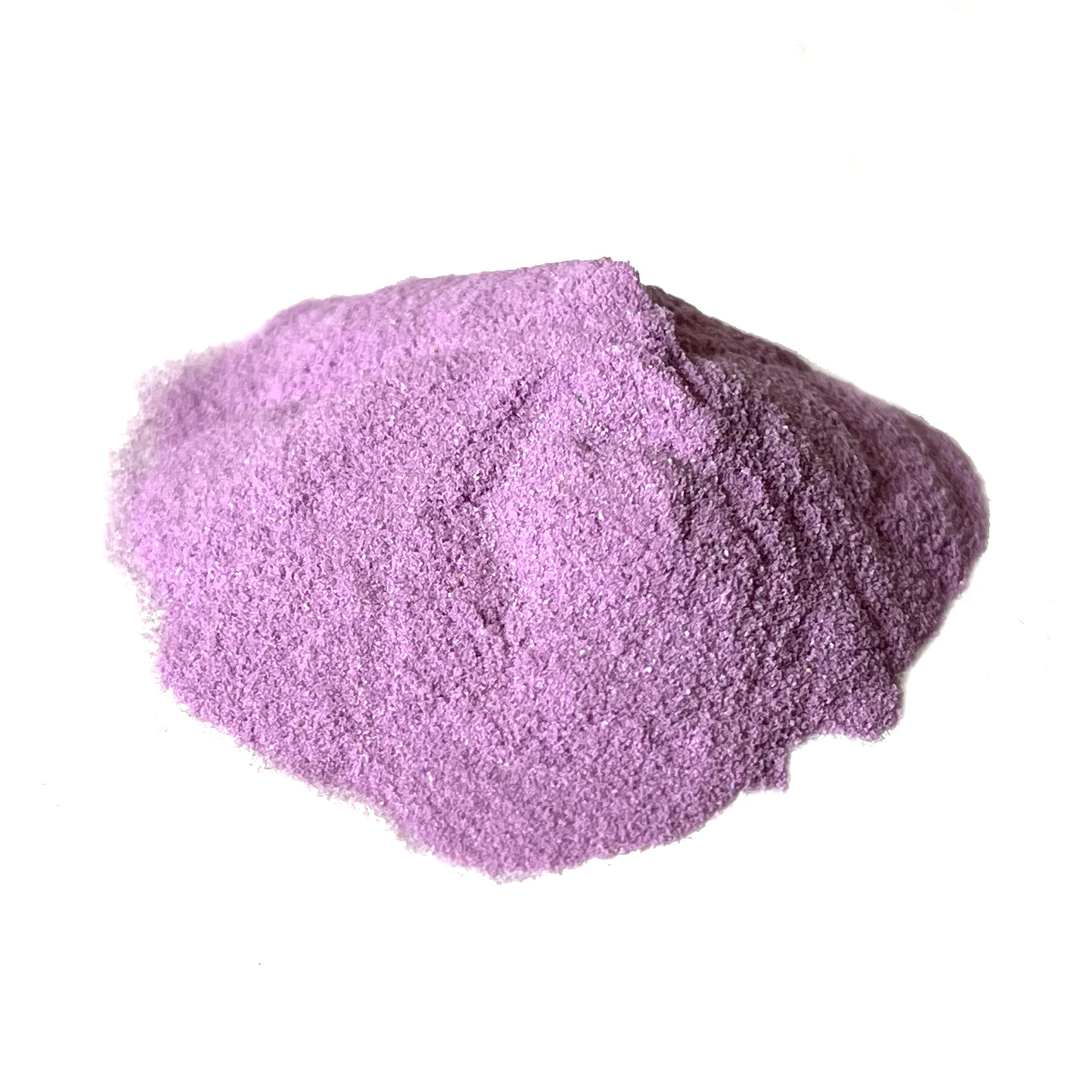
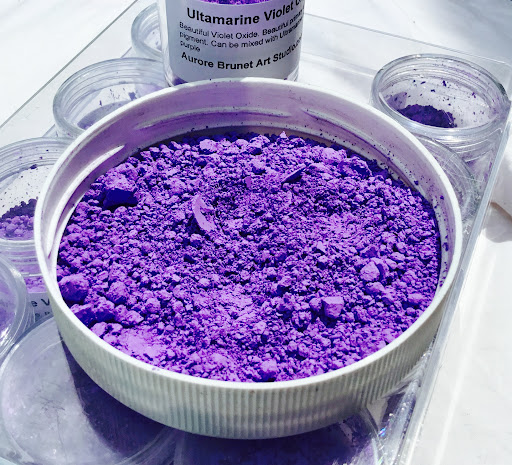
Description
Ultramarine Violet: A Hue of History, Mystery, and Modern Appeal
Ultramarine, a pigment synonymous with richness and depth, is typically associated with a vibrant, almost celestial blue. But delve a little deeper into the world of color, and you’ll discover its intriguing cousin: Ultramarine Violet.
While sharing the “Ultramarine” moniker, Ultramarine Violet offers a unique and captivating visual experience. It’s a subtle yet powerful color, a bridge between the cool depths of blue and the warm embrace of red, resulting in a violet that’s both complex and surprisingly versatile.
From Lapislazuli to Synthetic Wonder:
Like its blue sibling, Ultramarine Violet’s origins are rooted in the historical quest to replicate the precious and expensive pigment derived from the lapis lazuli gemstone. While lapis lazuli typically yielded a deep blue, variations in the mineral composition and heating processes sometimes resulted in violet hues.
However, true Ultramarine Violet, as we know it today, is a synthetic pigment. It’s created through a process similar to that used for Ultramarine Blue, involving heating a mixture of kaolin clay, soda ash, silica, sulfur, and a reducing agent in a furnace. The specific heating temperatures and durations are carefully controlled to yield the desired violet hue.
A Color of Many Shades:
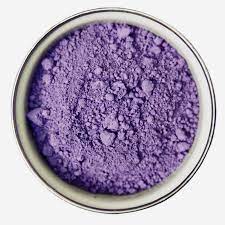
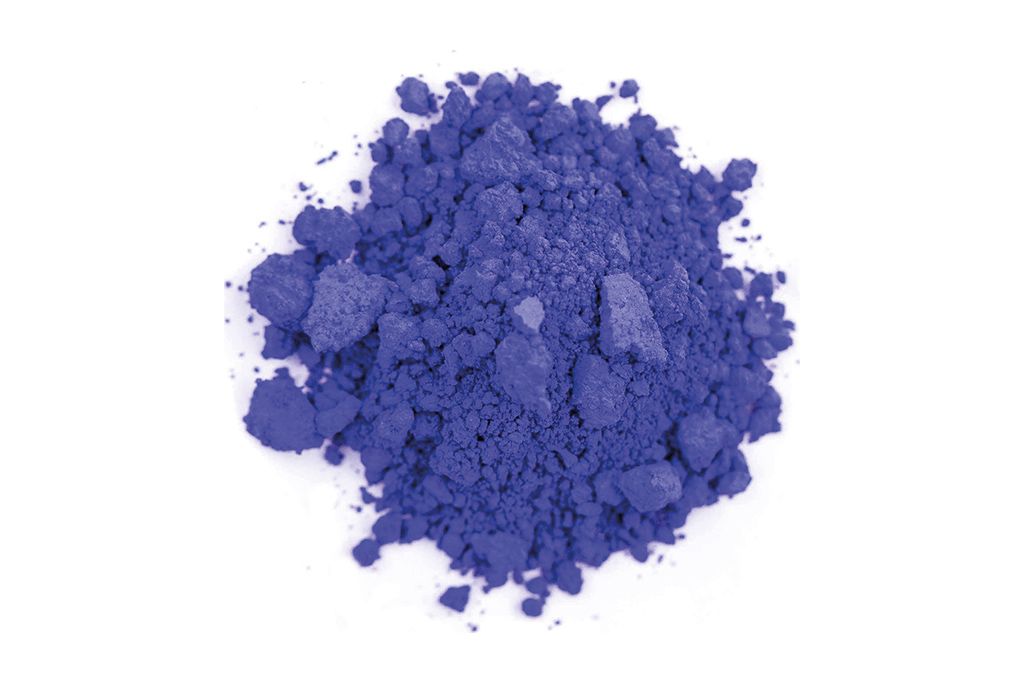
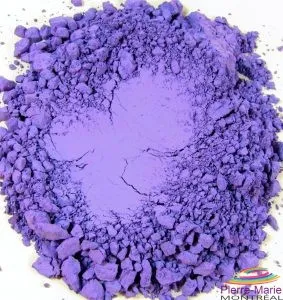
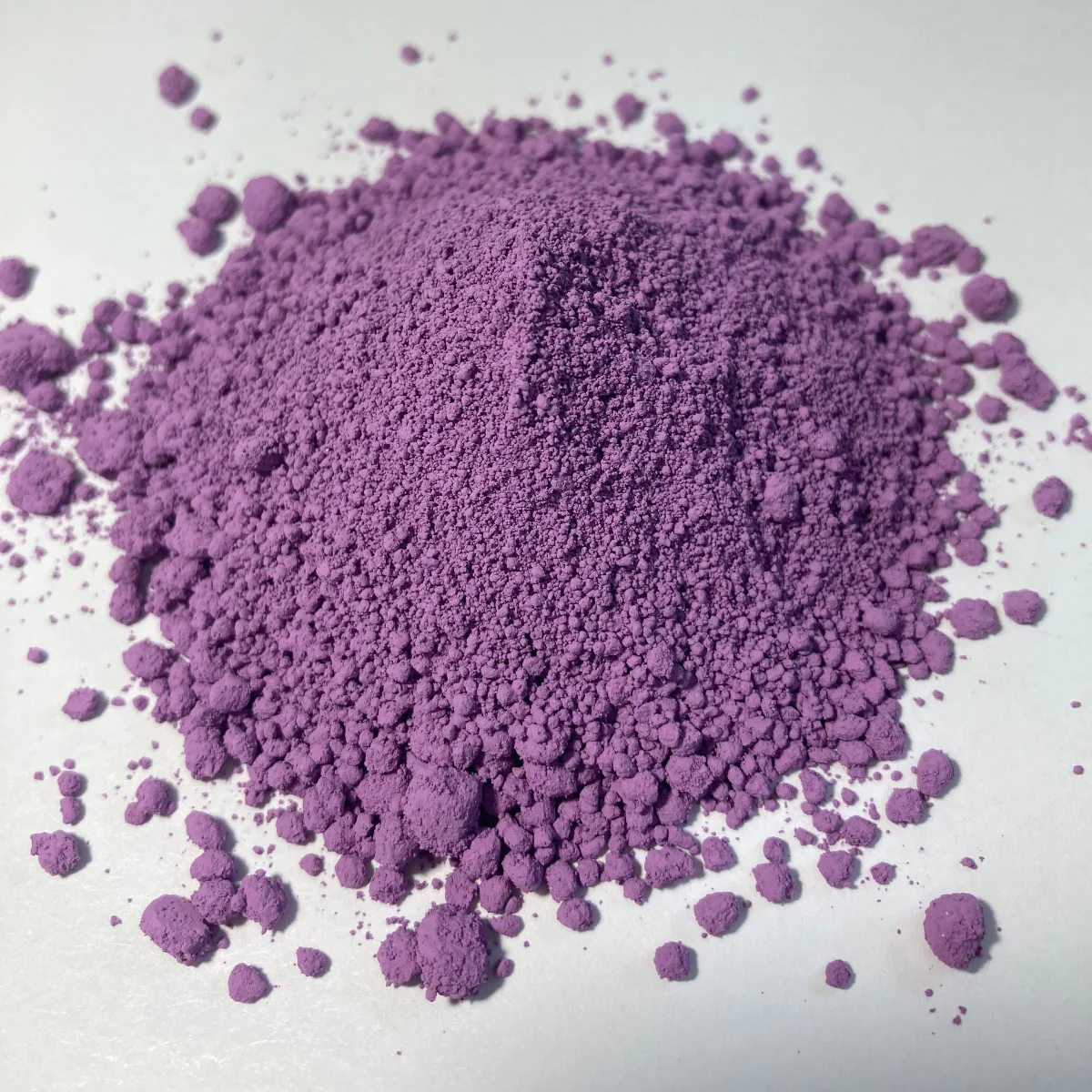
Ultramarine Violet isn’t a monolithic color; it exists on a spectrum. Some variations lean towards a red-violet, imbued with warmth and boldness. Others are cooler, closer to a blue-violet, exuding a sense of calm and serenity. The exact hue depends on the manufacturing process and the specific ratios of ingredients used.
This variability contributes to Ultramarine Violet’s charm. It can be a dynamic and passionate color, or a quiet and contemplative one, depending on the specific shade and the context in which it’s used.
Applications Across Art and Design:
Ultramarine Violet finds its place in a wide range of applications, including:
- Fine Art: Artists prize Ultramarine Violet for its unique blending qualities and its ability to create depth and subtle shifts in tone. It’s particularly useful in landscapes, portraits, and abstract art, adding a touch of mystery and refinement.
- Cosmetics: The pigment is often used in eyeshadows, lipsticks, and other cosmetic products to create alluring and sophisticated looks. Its subtle violet tones can enhance natural features and add a pop of color without being overwhelming.
- Textiles: Ultramarine Violet dyes can be used to create fabrics with a rich, luxurious feel. The color evokes a sense of elegance and sophistication, making it a popular choice for clothing, upholstery, and home decor.
- Industrial Applications: Beyond aesthetics, Ultramarine Violet is sometimes used as a coloring agent in plastics, paints, and other industrial materials.
A Color of Meaning:
Beyond its visual appeal, Ultramarine Violet is often associated with specific meanings and emotions. Violet is often linked to:
- Spirituality and Intuition: It’s a color often associated with the crown chakra, representing spiritual connection, intuition, and wisdom.
- Creativity and Imagination: Violet can stimulate creativity and encourage imaginative thinking.
- Luxury and Royalty: Historically, violet dyes were expensive and difficult to produce, making them a symbol of wealth and power.
- Calm and Serenity: Cooler shades of violet can evoke feelings of peace, tranquility, and relaxation.
In Conclusion:
Ultramarine Violet is more than just a color; it’s a testament to human ingenuity and the enduring allure of natural beauty. From its historical roots in the pursuit of the perfect blue to its modern applications in art, design, and beyond, Ultramarine Violet continues to captivate and inspire. So, the next time you encounter this captivating hue, take a moment to appreciate its depth, its history, and its unique ability to evoke a sense of mystery and wonder. It’s a color that deserves a closer look, revealing its many nuances and hidden depths.


Reviews
There are no reviews yet.