
Description
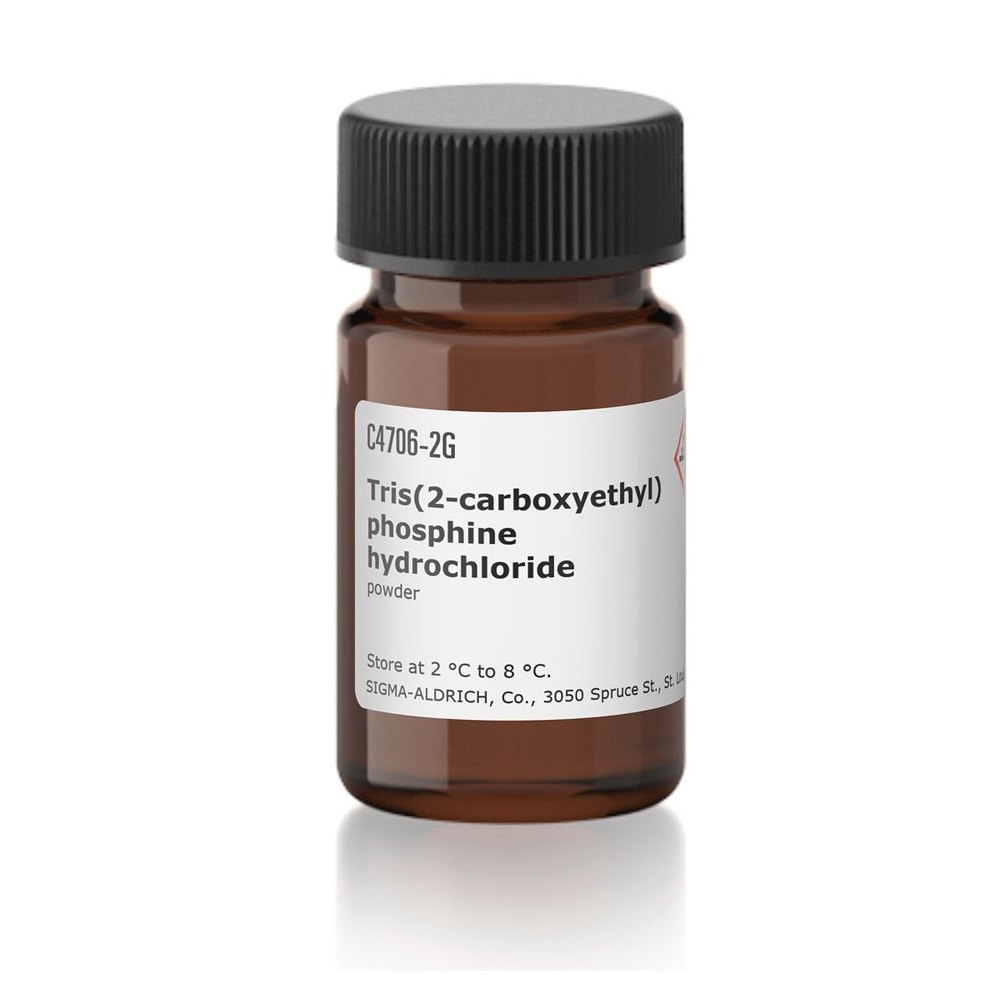
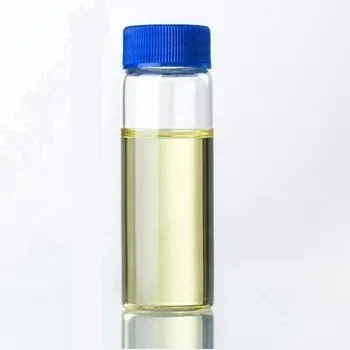
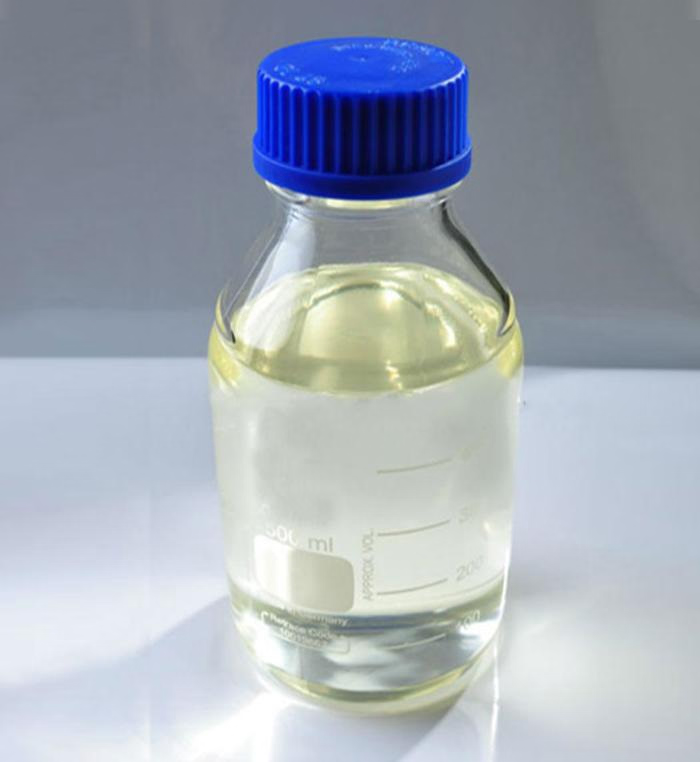
Tris(2-chloroethyl) phosphate (TCEP)
TCEP is a halogenated phosphate ester commonly used as a flame retardant and, in some formulations, as a plasticizer. It is widely encountered in plastics, textiles, and coatings.
Quick facts
- Chemical name: Tris(2-chloroethyl) phosphate
- Also known as: TCPP (in many contexts), among other synonyms
- Chemical formula: C6H12Cl3O4P
- Molar mass: ~285.4 g/mol
- Structure: A phosphate center (P=O) with three O–P–O–(CH2CH2Cl) groups
Typical uses
- Flame retardant additive for:
- PVC and other plastics
- Polyurethane foams
- Textiles and coatings
- In some cases, used as a plasticizer or processing aid
Properties (general)
- Usually a viscous liquid at room temperature
- Moderately hydrophobic with low to moderate water solubility
- Relatively low volatility
- Can be hydrolyzed under certain conditions (especially at elevated temperatures or in acidic/basic environments), leading to degradation products such as chlorinated organics
- Persistent in the environment and may accumulate in aquatic systems
Health and safety considerations
- Can act as an irritant to eyes, skin, and the respiratory tract
- Potential hazard if ingested or inhaled in significant quantities
- Environmental toxicity: toxic to aquatic organisms at certain concentrations; persistence and bioaccumulation potential vary by formulation and exposure
- Handling should minimize exposure and release:
- Use appropriate PPE (gloves, eye protection, ventilation as needed)
- Store away from heat and incompatible materials
- Dispose of waste in accordance with local hazardous waste regulations
Regulatory and environmental context
- Regulatory status for TCEP/TCPP varies by country and application
- Some jurisdictions have restrictions or specific labeling/handling requirements for flame retardants in consumer products
- When evaluating product formulation, consider potential environmental and health guidelines and any preferred alternatives
Handling and substitution tips
- If aiming to reduce halogen content or potential toxicity, consider halogen-free flame retardants or phosphorus-nitrogen systems
- For applications where flame retardancy is essential, explore alternatives such as:
- Aluminum or magnesium hydroxides
- Expandable graphite
- Non-halogenated phosphorus-based flame retardants
- Always validate compatibility with your polymer matrix and processing conditions
Quick takeaway
- TCEP is a widely used halogenated flame retardant in plastics and textiles, valued for its fire-suppressing properties but associated with health and environmental considerations. If you’re evaluating it for a specific application, I can help compare it to non-halogenated alternatives or pull up precise regulatory and safety data for your region.
If you’d like, I can fetch exact data like CAS numbers, LD50 values, log Kow, or current regulatory lists for your country. What specific details would you like me to provide?


Reviews
There are no reviews yet.