
Description
The Silent Protector: Understanding Tris(1-chloro-2-propyl) Phosphate (TCPP) in Modern Manufacturing
In the world of manufacturing and product safety, there are often components that play a vital role in our daily lives without ever being seen. One such chemical is Tris(1-chloro-2-propyl) phosphate, commonly known as TCPP.
As a widely used flame retardant, TCPP is a cornerstone of fire safety in the construction, automotive, and furniture industries. However, as global regulations tighten and consumer awareness regarding chemical safety grows, it is essential for professionals and consumers alike to understand what TCPP is, where it’s found, and the current landscape of its use.
What is TCPP?
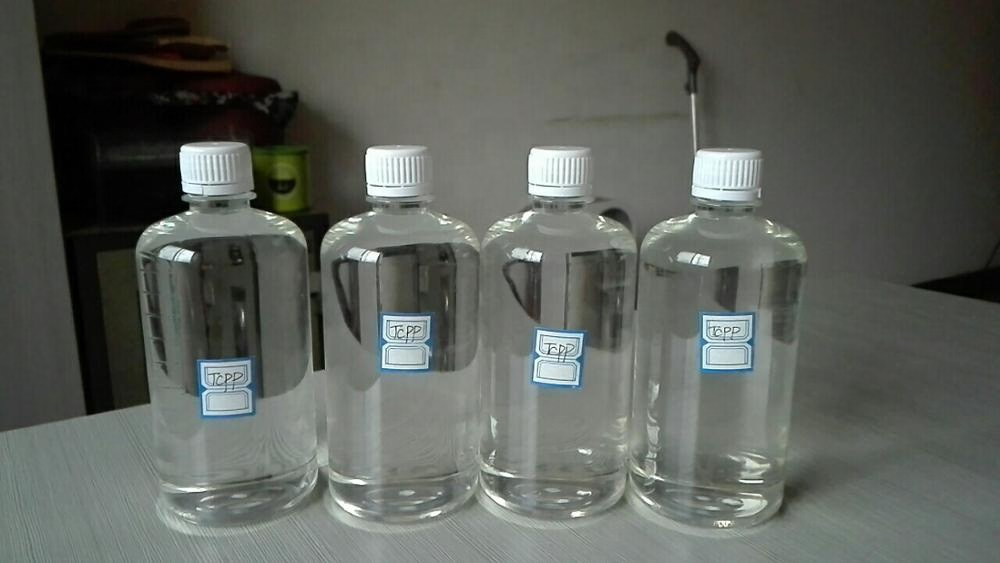
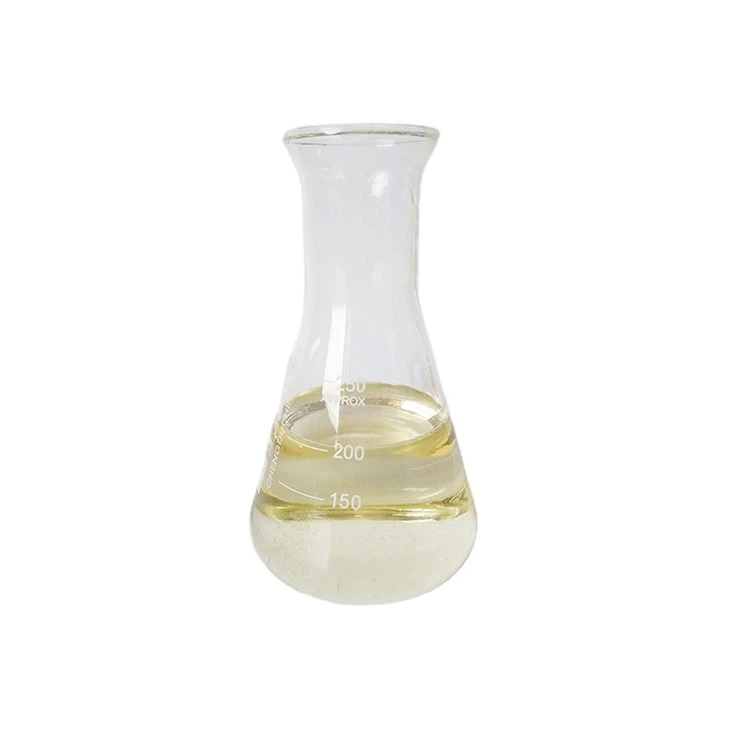
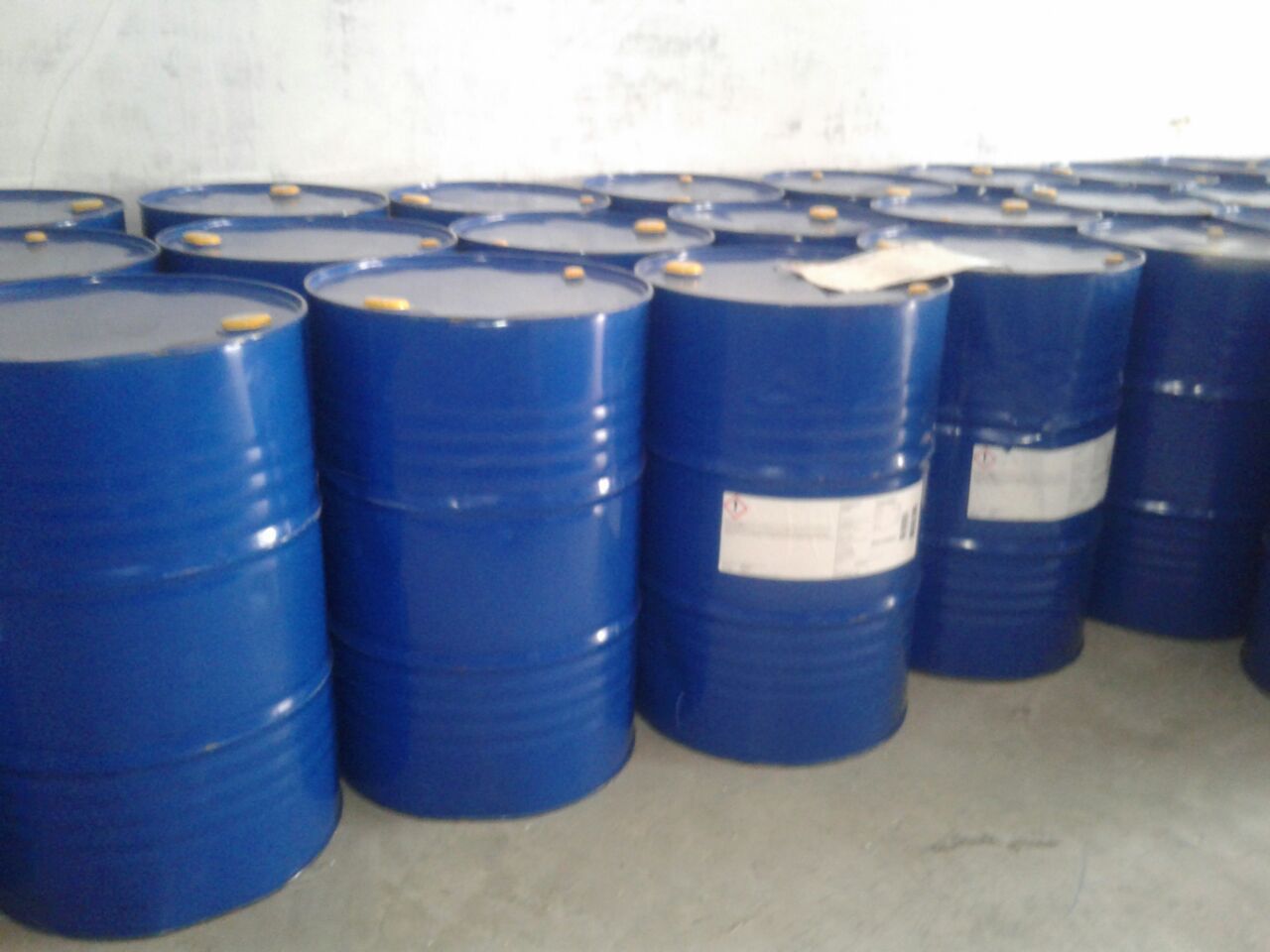
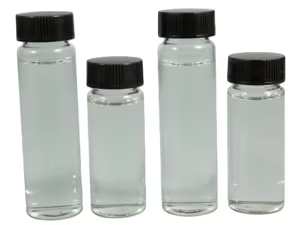
TCPP is an organophosphate flame retardant (OPFR). Chemically, it is a chlorinated alkyl phosphate. It typically appears as a colorless or slightly yellowish liquid with a faint odor.
Its primary function is to inhibit or delay the spread of fire. Unlike some materials that are inherently fire-resistant, many modern synthetic materials—particularly polyurethanes—are highly flammable. TCPP is added to these materials to meet stringent fire safety standards, providing critical extra seconds for escape and emergency response during a fire.
Key Applications: Where Do We Find It?
TCPP is not usually sold as a standalone product to consumers; rather, it is integrated into the “ingredients list” of various industrial materials. Its most common applications include:
- Polyurethane (PU) Foams: This is the most significant use case. TCPP is used in both rigid foams (used for thermal insulation in buildings and refrigeration) and flexible foams (used in upholstered furniture, mattresses, and automotive seating).
- Construction Materials: Beyond insulation, it is used in roof laminates and various resin-based building materials to comply with building codes.
- Textile Backcoatings: It is often applied to the back of fabrics used in public spaces or transportation to reduce flammability.
- Adhesives and Coatings: TCPP can be found in certain industrial glues and protective coatings to enhance their thermal stability.
The Mechanism: How Does It Work?
TCPP works through a dual-action process when exposed to heat:
- Vapor Phase Intervention: When a fire starts, TCPP releases phosphorus-containing radicals that interfere with the chemical chain reactions of the flame.
- Char Formation: It promotes the formation of a “char” layer on the surface of the material. This carbonaceous layer acts as a physical barrier, insulating the underlying material from the heat and cutting off the oxygen supply.
The Evolution of Flame Retardants
To understand the rise of TCPP, we have to look at the history of the industry. For decades, Brominated Flame Retardants (BFRs), such as PentaBDE, were the industry standard. However, due to their persistence in the environment and bioaccumulative nature, many BFRs were phased out or banned under international treaties like the Stockholm Convention.
TCPP emerged as a primary “drop-in” replacement. It offered the necessary fire suppression properties with a different chemical profile, helping manufacturers bridge the gap between fire safety requirements and shifting environmental regulations.
The Regulatory and Health Landscape
As with many industrial chemicals, TCPP is under continuous scrutiny by global health and environmental agencies. Here is the current state of the conversation:
- Environmental Persistence: TCPP is relatively stable, meaning it does not break down quickly in the environment. It has been detected in indoor air and dust, as well as in some aquatic environments.
- Health Studies: Research is ongoing regarding the long-term health effects of TCPP. While it is generally considered to have lower acute toxicity than some of the chemicals it replaced, some studies have raised questions about its potential as an endocrine disruptor or its long-term effects on human health.
- Regulatory Status:In the European Union, TCPP has undergone evaluation under REACH (Registration, Evaluation, Authorisation and Restriction of Chemicals).
- In the United States, the EPA has included TCPP on its list of chemicals for prioritized risk evaluation.
- Many jurisdictions are currently weighing the benefits of its fire-suppression capabilities against the potential long-term environmental impacts.
The Future of TCPP
The manufacturing world is currently in a state of transition. We are seeing a push toward “green chemistry”—the development of flame retardants that are non-halogenated (containing no chlorine or bromine) and derived from sustainable sources.
However, until these alternatives reach the same level of cost-effectiveness and efficacy as TCPP, it remains a critical component in ensuring that the buildings we live in and the cars we drive meet fire safety standards.
Conclusion
Tris(1-chloro-2-propyl) phosphate is a classic example of the complexities of modern material science. It serves a vital safety function, preventing property damage and saving lives by slowing the spread of fire. Simultaneously, it challenges us to continue innovating toward even safer, more sustainable chemical solutions.
For businesses and manufacturers, the key is transparency and stay-informed. As regulations evolve, staying ahead of the curve on TCPP safety data and potential alternatives isn’t just a matter of compliance—it’s a commitment to responsible manufacturing.
Do you have questions about the role of flame retardants in your industry? Stay tuned to our blog for deeper dives into the chemicals that shape our world.



Reviews
There are no reviews yet.