

Description
Tris(1-Chloro-2-Propyl) Phosphate: A Closer Look at This Organophosphate Flame Retardant
Tris(1-chloro-2-propyl) phosphate, often abbreviated as TCPP, is a synthetic organophosphate compound primarily used as a flame retardant. Its ubiquitous presence in various consumer and industrial products has raised concerns about its potential environmental and health impacts. This article delves into the properties, applications, concerns, and ongoing research surrounding TCPP.
What is Tris(1-Chloro-2-Propyl) Phosphate?
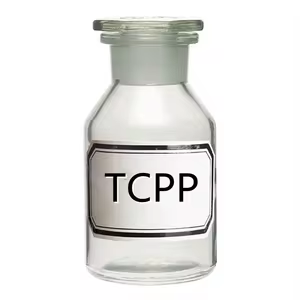
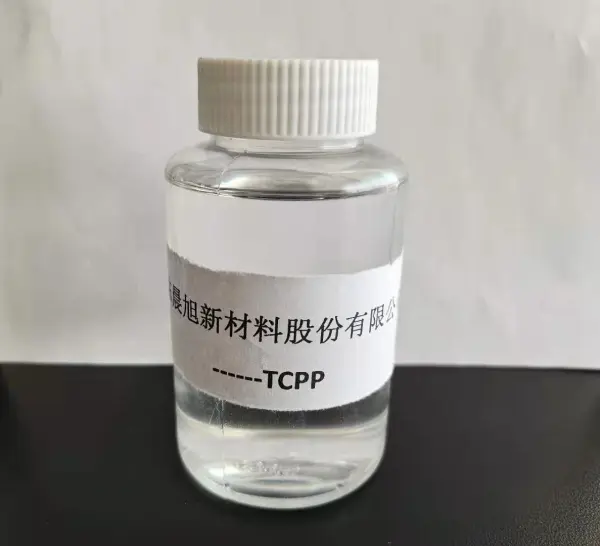
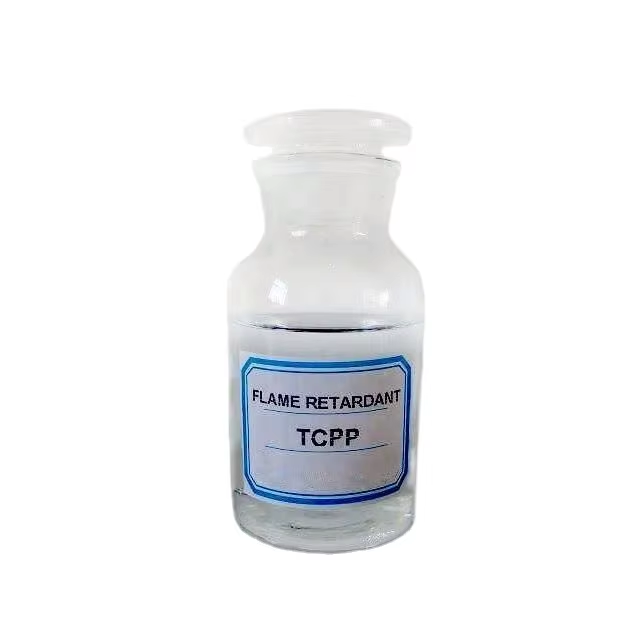
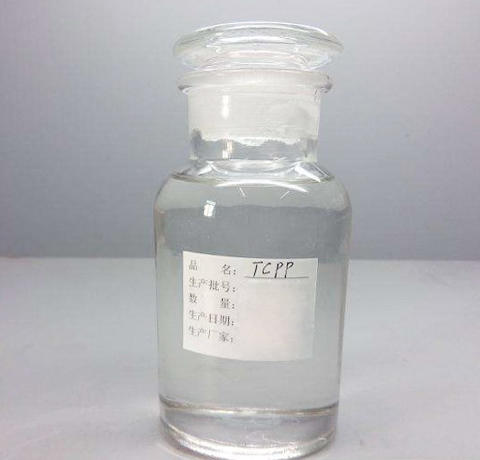
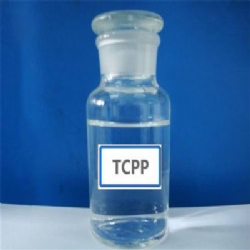
TCPP is a colorless to pale yellow liquid at room temperature. It possesses a phosphate ester structure with three 1-chloro-2-propyl groups attached. This structure contributes to its effectiveness as a flame retardant. It operates primarily through a condensed-phase mechanism, forming a char layer upon heating that insulates the underlying material and slows down combustion.
Applications of TCPP:
TCPP finds widespread application across various industries due to its flame-retardant properties. Key uses include:
- Polyurethane Foams: A major application is in polyurethane foams used in furniture, bedding, and building insulation. It’s incorporated to meet fire safety standards.
- Polyvinyl Chloride (PVC): It’s added to PVC to reduce flammability in applications like flooring, cables, and upholstery.
- Textiles: TCPP can be applied to textiles to enhance their fire resistance, particularly in products like curtains and carpets.
- Adhesives and Coatings: It’s used as an additive in adhesives and coatings to improve their fire safety characteristics.
Concerns Regarding TCPP:
Despite its utility, TCPP is associated with several environmental and health concerns:
- Environmental Persistence: TCPP is relatively persistent in the environment. It can be found in soil, water, and even air. Its slow degradation raises concerns about long-term accumulation and potential impact on ecosystems.
- Toxicity: Studies have suggested that TCPP can have adverse health effects. These include:
- Developmental Toxicity: Some research indicates that TCPP can disrupt normal development, particularly in young children.
- Neurotoxicity: Certain studies have shown potential neurotoxic effects, impacting neurological function.
- Endocrine Disruption: TCPP may interfere with the endocrine system, potentially disrupting hormone balance.
- Bioaccumulation: There is evidence that TCPP can bioaccumulate in aquatic organisms, potentially magnifying its impact on the food chain.
- Migration and Release: TCPP can migrate from products and be released into the environment and indoor air through processes like volatilization and leaching.
Alternatives and Regulations:
Due to concerns surrounding TCPP, there’s growing interest in finding safer alternatives and implementing regulations to limit its use. Potential alternatives include:
- Reactive Flame Retardants: These become chemically bound to the polymer, reducing migration and release.
- Inorganic Flame Retardants: Compounds like aluminum hydroxide and magnesium hydroxide have been used as alternatives.
- Other Organophosphates: Other organophosphate flame retardants with improved safety profiles are being explored.
Regulatory bodies in various countries and regions are actively evaluating and regulating the use of TCPP. Some have implemented restrictions or bans on its use in specific products, particularly those intended for children.
Ongoing Research:
Research efforts are ongoing to better understand the environmental fate, toxicity, and potential risks associated with TCPP. These studies aim to:
- Quantify Exposure Levels: Determine the extent of human and environmental exposure to TCPP.
- Assess Health Impacts: Conduct comprehensive toxicological studies to fully characterize the health effects of TCPP.
- Develop Safer Alternatives: Identify and develop safer and more sustainable flame retardants.
- Improve Detection and Monitoring: Develop sensitive methods for detecting and monitoring TCPP levels in the environment.
Conclusion:
Tris(1-chloro-2-propyl) phosphate is a widely used flame retardant that offers effective fire protection but presents environmental and health concerns. Its persistence, toxicity, and potential for bioaccumulation have prompted efforts to find safer alternatives and implement regulations to limit its use. Ongoing research plays a crucial role in understanding the risks associated with TCPP and developing more sustainable solutions for fire safety. As research progresses and regulatory frameworks evolve, a more informed approach to the use of TCPP and other flame retardants is essential to protect both human health and the environment.



Reviews
There are no reviews yet.