
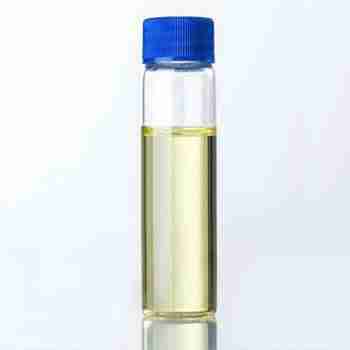
Description
Title: The Powerhouse Monomer: A Deep Dive into Trimethylolpropane Triacrylate (TMPTA)
In the fast-paced world of industrial chemistry, few ingredients are as versatile or as essential as Trimethylolpropane Triacrylate, more commonly known as TMPTA.
If you work in coatings, 3D printing, or industrial inks, you’ve likely come across this trifunctional monomer. But what exactly makes it the “workhorse” of the UV-curing world? Today, we’re breaking down what TMPTA is, why it’s so effective, and where you’ll find it in everyday life.
What is TMPTA?
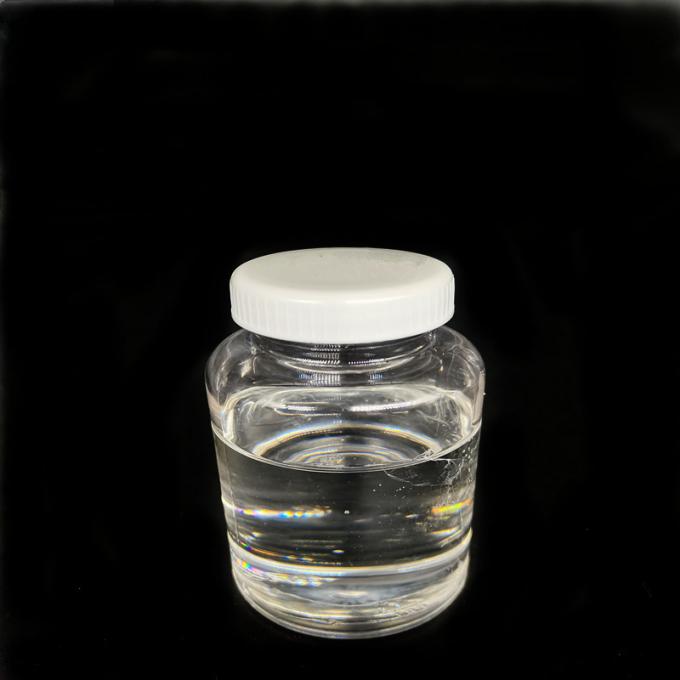
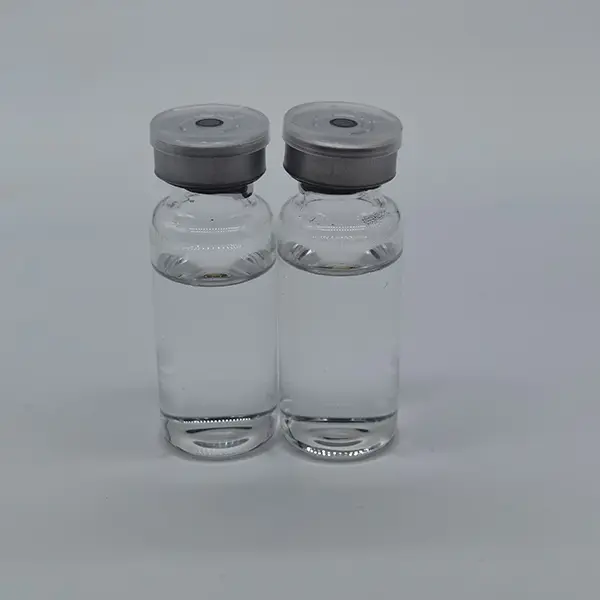
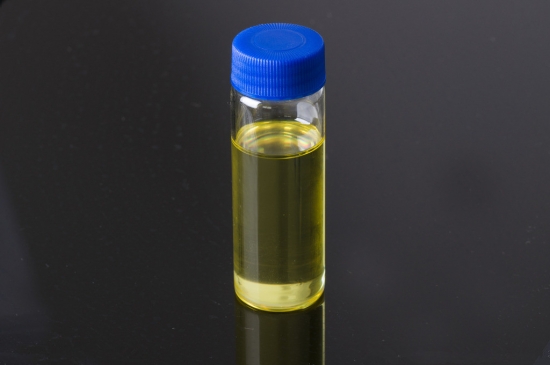
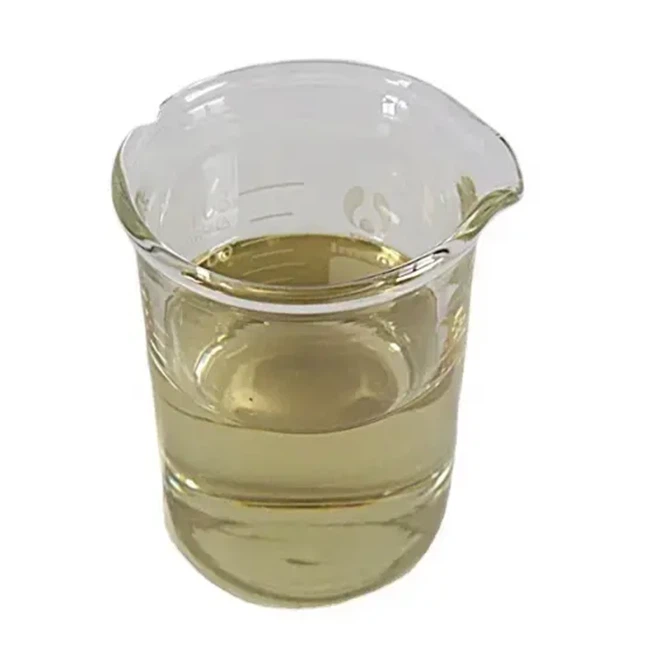
At its core, TMPTA is an acrylate ester. Physically, it is a clear, low-volatility liquid. Chemically, it is defined by its trifunctionality—meaning it has three acrylate groups available for reaction.
This structure is the secret to its success. When exposed to ultraviolet (UV) light or electron beam (EB) radiation in the presence of a photoinitiator, these three groups react rapidly to form a dense, three-dimensional cross-linked network.
Why Manufacturers Love TMPTA: The Key Benefits
Why is TMPTA preferred over other monomers? It offers a unique balance of processing ease and end-product durability:
- Fast Cure Speed: Because it has three reactive sites, TMPTA cures (hardens) much faster than monofunctional or bifunctional monomers. This allows for high-speed production lines in printing and manufacturing.
- High Cross-Link Density: The “web” formed by TMPTA is tight and strong. This results in a finished surface that is exceptionally hard and resistant to scratching and abrasion.
- Chemical and Heat Resistance: Once cured, polymers containing TMPTA are highly resistant to solvents, chemicals, and heat, making them ideal for harsh environments.
- Low Volatility: TMPTA has a low vapor pressure, meaning it doesn’t evaporate easily during the manufacturing process, reducing odors and worker exposure compared to more volatile solvents.
Common Applications
You might be surprised by how often you interact with products enhanced by TMPTA. Its applications span across several massive industries:
1. UV/EB Cured Coatings
TMPTA is a staple in topcoats for wood flooring, plastic components, and metal finishes. It provides that high-gloss, “bulletproof” finish that prevents furniture from scratching or car interiors from fading.
2. High-Performance Inks
In the world of packaging, inks need to dry instantly to prevent smudging. TMPTA is used in lithographic, flexographic, and screen-printing inks to ensure they adhere to non-porous surfaces like plastic bags and metal cans.
3. 3D Printing (Additive Manufacturing)
Many photopolymer resins used in SLA (Stereolithography) 3D printing contain TMPTA. It helps provide the structural integrity and crisp detail required for high-resolution 3D models.
4. Adhesives and Sealants
When you need a bond that won’t budge, TMPTA is often added to the formulation to increase the cohesive strength of the adhesive.
Safety and Handling
While TMPTA is incredibly useful, it must be handled with respect. Like many acrylates, it is a skin sensitizer. This means that repeated contact can lead to allergic reactions or skin irritation.
Best practices include:
- Wearing appropriate PPE (nitrile gloves and safety goggles).
- Ensuring proper ventilation in the workspace.
- Storing the chemical in a cool, dark place, as heat or light can trigger premature polymerization.
The Future of TMPTA
As the manufacturing world moves away from solvent-based systems (which release harmful VOCs) and toward 100% solids UV-cured systems, the demand for TMPTA continues to grow. Its ability to provide high performance without the need for polluting solvents makes it a key player in the “green chemistry” transition of the coatings industry.
Final Thoughts
Trimethylolpropane Triacrylate might not be a household name, but it is a silent hero of modern manufacturing. From the finish on your hardwood floors to the ink on your soda can, TMPTA provides the durability and speed that modern life demands.
Are you looking to optimize your UV-curable formulations? Understanding the role of monomers like TMPTA is the first step toward achieving the perfect balance of flexibility and hardness.
Want to learn more about specialty chemicals? Subscribe to our blog for weekly deep dives into the molecules that build our world!


Reviews
There are no reviews yet.