

Description
Title: Trimethylolpropane Triacrylate: A Versatile Crosslinking Agent for Coatings, Adhesives, and Inks
Introduction
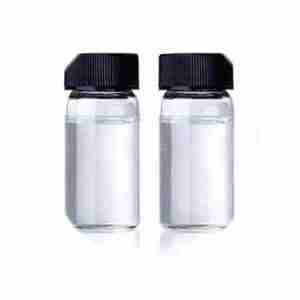
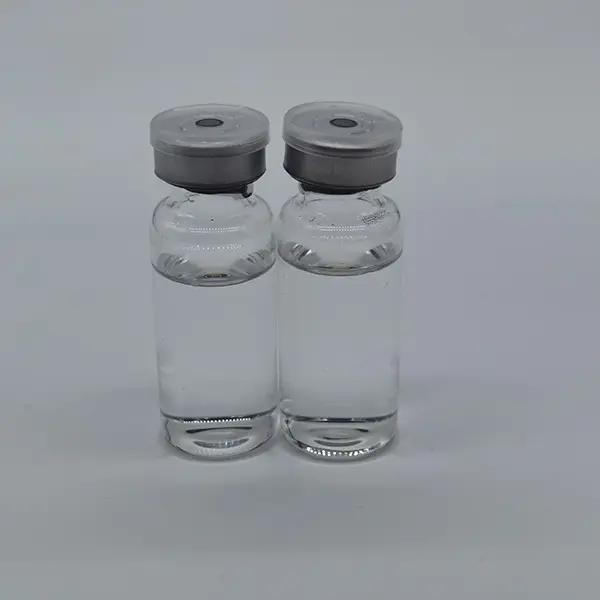
Trimethylolpropane triacrylate (TMPTA) is a widely used crosslinking agent in various industries, including coatings, adhesives, and inks. It is a clear, colorless, and viscous liquid that offers excellent chemical resistance, adhesion, and durability properties. In this article, we will explore the properties, applications, and benefits of TMPTA, as well as its potential environmental impacts and safety considerations.
Properties of Trimethylolpropane Triacrylate
TMPTA is a trifunctional acrylic monomer that is synthesized by reacting trimethylolpropane (TMP) with acrylic acid or acrylate. It has three acrylate functional groups, which allow it to form highly crosslinked networks when polymerized. The crosslinked structure imparts superior mechanical strength, chemical resistance, and adhesion properties to the resulting polymers.
Some key properties of TMPTA include:
- High reactivity: TMPTA readily undergoes free-radical polymerization, making it an excellent choice for coatings, adhesives, and inks that require fast curing times.
- Good adhesion: The trifunctional nature of TMPTA allows it to form strong bonds with a wide range of substrates, including metals, plastics, and glass.
- Superior chemical resistance: The crosslinked structure of TMPTA-based polymers provides excellent resistance to chemicals, such as acids, bases, and solvents.
- High flexibility: TMPTA-based polymers exhibit good flexibility and elongation properties, making them suitable for applications that require high impact resistance and flexibility.
- Transparency: TMPTA is a clear, colorless liquid that imparts excellent transparency to the resulting polymers, making it ideal for applications that require high optical clarity.
Applications of Trimethylolpropane Triacrylate
TMPTA is widely used in various industries due to its versatile properties. Some of the key applications of TMPTA include:
- Coatings: TMPTA is used as a crosslinking agent in coatings for metals, plastics, and glass. It provides excellent adhesion, chemical resistance, and durability properties to the coatings. TMPTA-based coatings are used in automotive, aerospace, marine, and industrial applications.
- Adhesives: TMPTA is used as a crosslinking agent in pressure-sensitive adhesives, hot-melt adhesives, and structural adhesives. It provides excellent adhesion, cohesion, and durability properties to the adhesives, making them suitable for various applications, such as bonding of plastics, metals, and glass.
- Inks: TMPTA is used as a crosslinking agent in UV-curable inks for printing applications. It provides excellent adhesion, durability, and resistance to fading and smudging. TMPTA-based inks are used in digital printing, flexographic printing, and screen printing applications.
- Composite materials: TMPTA is used as a crosslinking agent in the production of composite materials, such as fiber-reinforced plastics and resins. It provides excellent mechanical strength, chemical resistance, and durability properties to the composites.
Environmental Impact and Safety Considerations
Although TMPTA offers numerous benefits, it also has some potential environmental and safety concerns. TMPTA is a volatile organic compound (VOC) that can contribute to air pollution and smog formation. Additionally, TMPTA is a potential skin and eye irritant, and it may cause respiratory irritation when inhaled.
To minimize the environmental impact of TMPTA, it is essential to use it in a controlled manner and follow proper handling and disposal procedures. Manufacturers and users of TMPTA should also explore alternative crosslinking agents that have lower environmental impacts, such as water-based systems and bio-based materials.
Conclusion
Trimethylolpropane triacrylate (TMPTA) is a versatile crosslinking agent that offers excellent adhesion, chemical resistance, and durability properties to coatings, adhesives, and inks. Its trifunctional nature allows it to form highly crosslinked networks that impart superior mechanical strength and flexibility to the resulting polymers. While TMPTA has some potential environmental and safety concerns, proper handling and disposal procedures, as well as the exploration of alternative crosslinking agents, can help minimize its impact. Overall, TMPTA is an essential component in various industries, and its continued development and innovation will drive advancements in coatings, adhesives, and inks.


Reviews
There are no reviews yet.