
Description
1. Product Overview
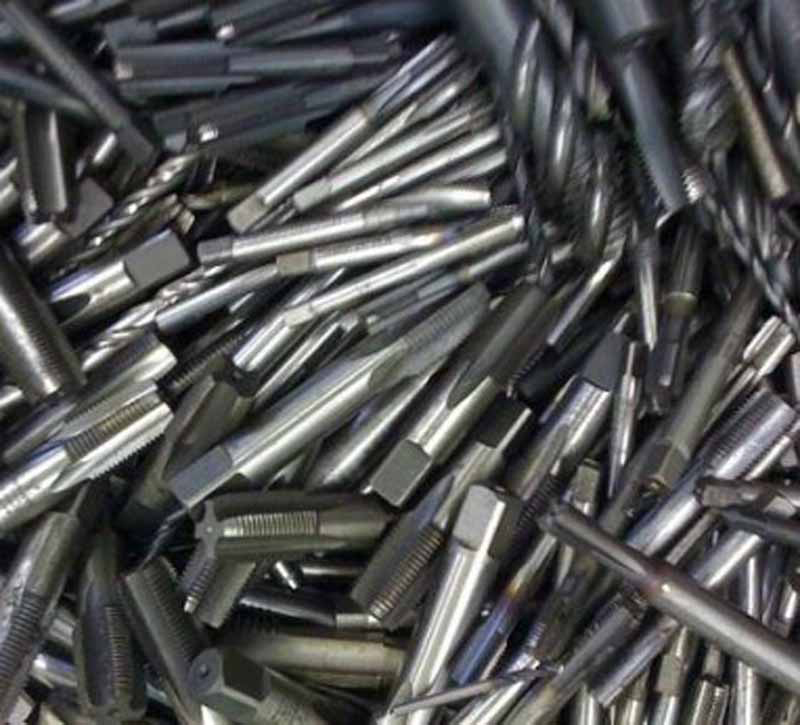
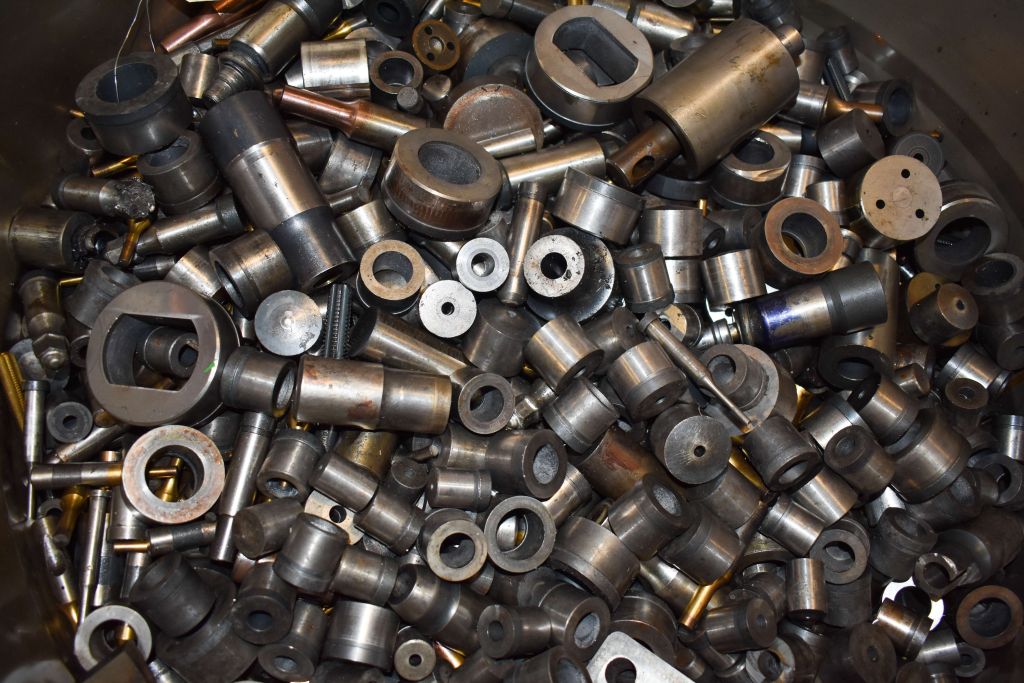
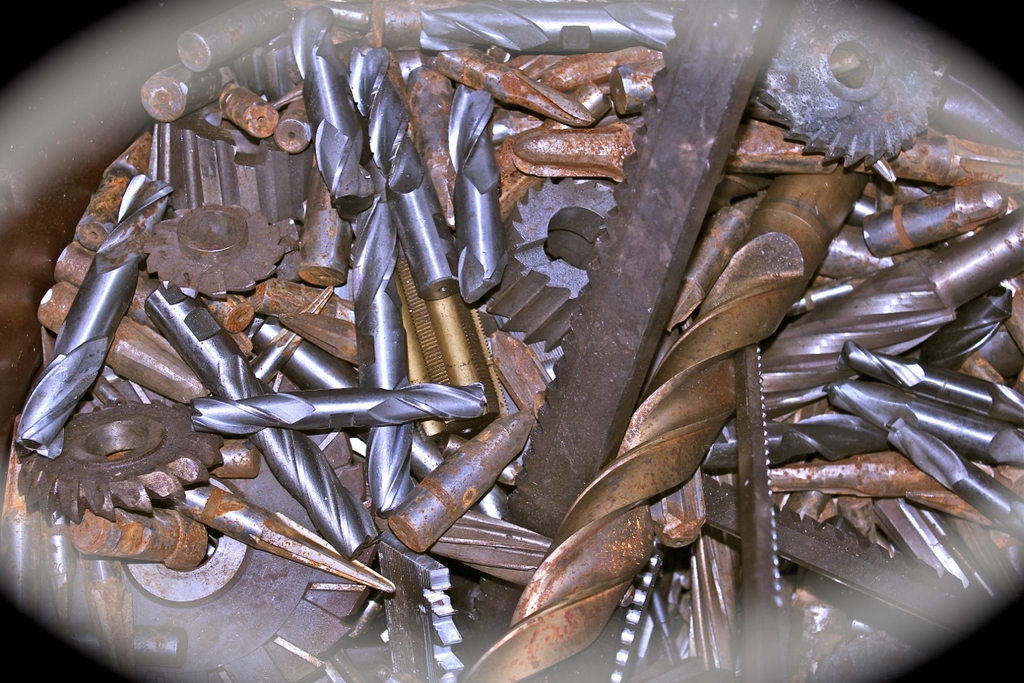
Tool Steel Scrap consists of high-alloy steel remnants and offcuts generated from tooling, machining, die manufacturing, and industrial fabrication processes. It is primarily used as a premium-grade feedstock in steel mills and alloy production facilities for remelting and high-performance steel manufacturing. Rich in alloying elements such as tungsten, molybdenum, vanadium, and chromium, Tool Steel Scrap delivers substantial cost advantages compared to sourcing virgin ferroalloys. In a market driven by performance materials and cost efficiency, this scrap category represents a strategically valuable input for producing high-strength, wear-resistant, and heat-resistant steels.
2. Key Specifications & Technical Characteristics
- Chemical Composition:
- Iron (Fe) – base material
- Chromium (Cr) – variable (commonly 3%–12%)
- Molybdenum (Mo) – variable depending on grade
- Tungsten (W), Vanadium (V), and other alloying elements depending on tool steel type (HSS, D-series, H-series, etc.)
- Purity Level:
- High alloy steel content with controlled contamination
- Free from excessive non-metallic inclusions, oil, or hazardous residues (subject to grade)
- Physical Characteristics:
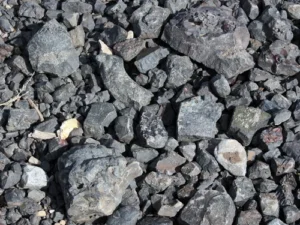
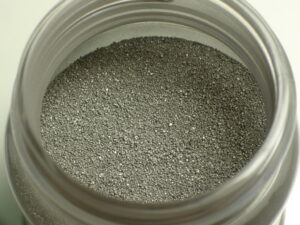
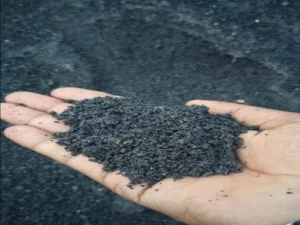
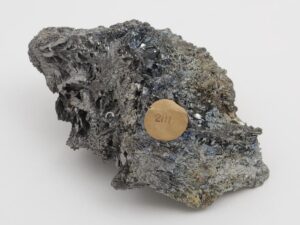
- Form: Solid offcuts, blocks, bars, plates, or fragmented scrap pieces
- Color: Metallic silver-gray
- Size: Mixed industrial scrap sizes; customizable cutting available upon request
- Density: Approx. 7.7–8.1 g/cm³ depending on alloy composition
- Magnetic Properties: Strongly ferromagnetic
- Packaging Options:
- Bulk loose loading
- 1–1.5 MT jumbo bags
- Palletized heavy scrap bundles
- Shelf Life:
- No degradation under proper dry storage; corrosion prevention recommended for long-term storage
3. Core Industrial Applications
- Primary Industries:
- Specialty steel mills
- Alloy and high-speed steel manufacturers
- Forging and die manufacturing plants
- Heavy machinery and industrial equipment producers
- Specific Operational Use Cases:
- Remelting in Electric Arc Furnaces (EAF): Used as a high-alloy charge material to produce premium tool steels and specialty grades.
- Alloy Recovery: Efficient recovery of valuable alloying elements such as tungsten and molybdenum.
- Blending Stock: Optimizes chemical composition in specialty steel production without relying solely on virgin ferroalloys.
- Performance Advantages:
- High Alloy Value: Reduces the need for expensive primary alloy additions.
- Cost Efficiency: Provides a lower-cost pathway to achieve required mechanical and thermal properties.
- Material Performance: Ensures high hardness, wear resistance, and heat tolerance in finished steel products.
- Production Flexibility: Suitable for manufacturing high-speed steel (HSS), hot-work, cold-work, and plastic mold steels.
4. Competitive Advantages
- Quality Consistency: Carefully sorted by grade and composition to ensure predictable alloy recovery and melt performance.
- Supply Reliability: Steady industrial sourcing streams capable of supporting continuous large-scale operations.
- Logistics Capability: Efficient bulk handling and international containerized shipping with optimized loading density.
- Price Competitiveness: Structurally lower input cost compared to sourcing virgin ferroalloys and primary alloy metals.
- Sustainability: Promotes circular steel production, reduces mining dependency, and lowers overall carbon footprint.
- Technical Support & Documentation: Chemical composition analysis, inspection reports, and grade classification documentation available upon request.
5. Commercial & Supply Information
- Minimum Order Quantity (MOQ): BULK 20MT
- Loading Capacity: 20–25MT per 40-foot container, depending on scrap size and packaging configuration.
Reviews
There are no reviews yet.