
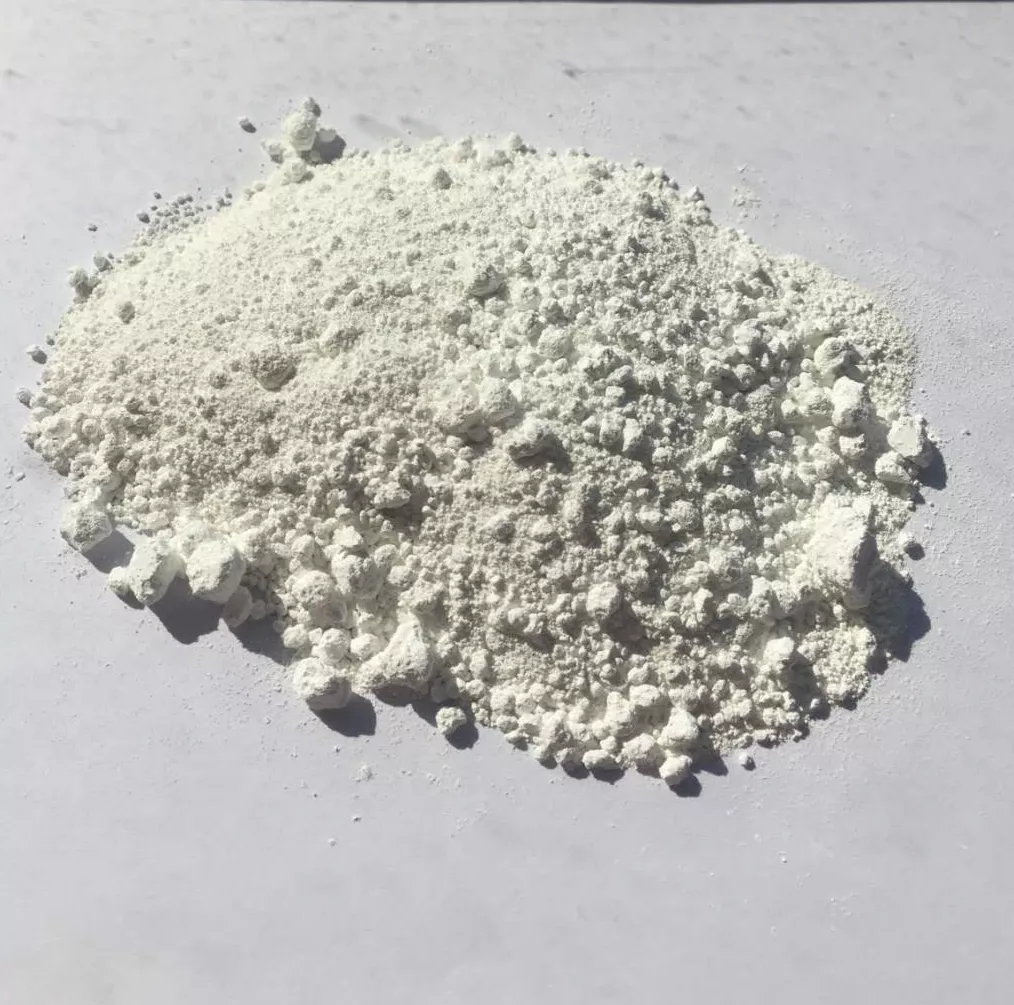
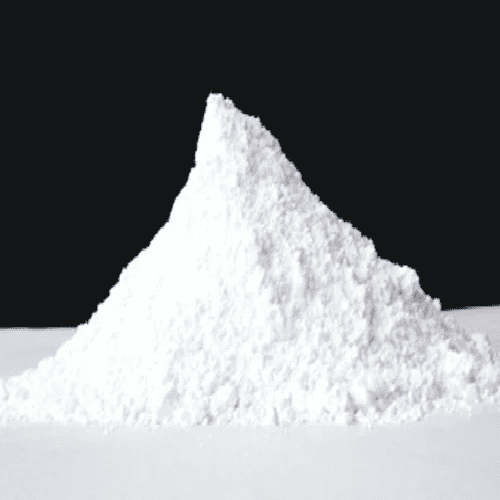

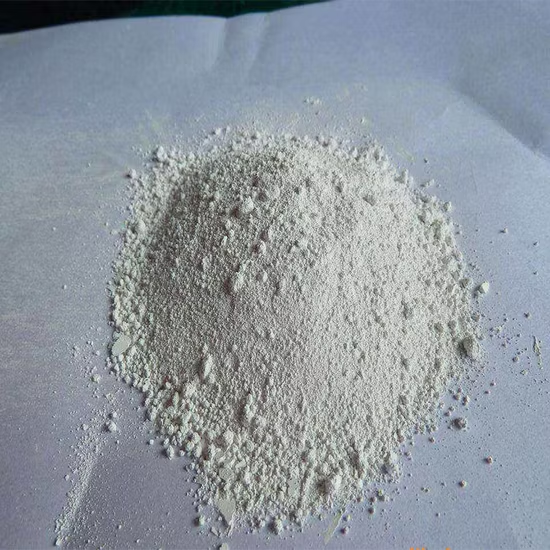
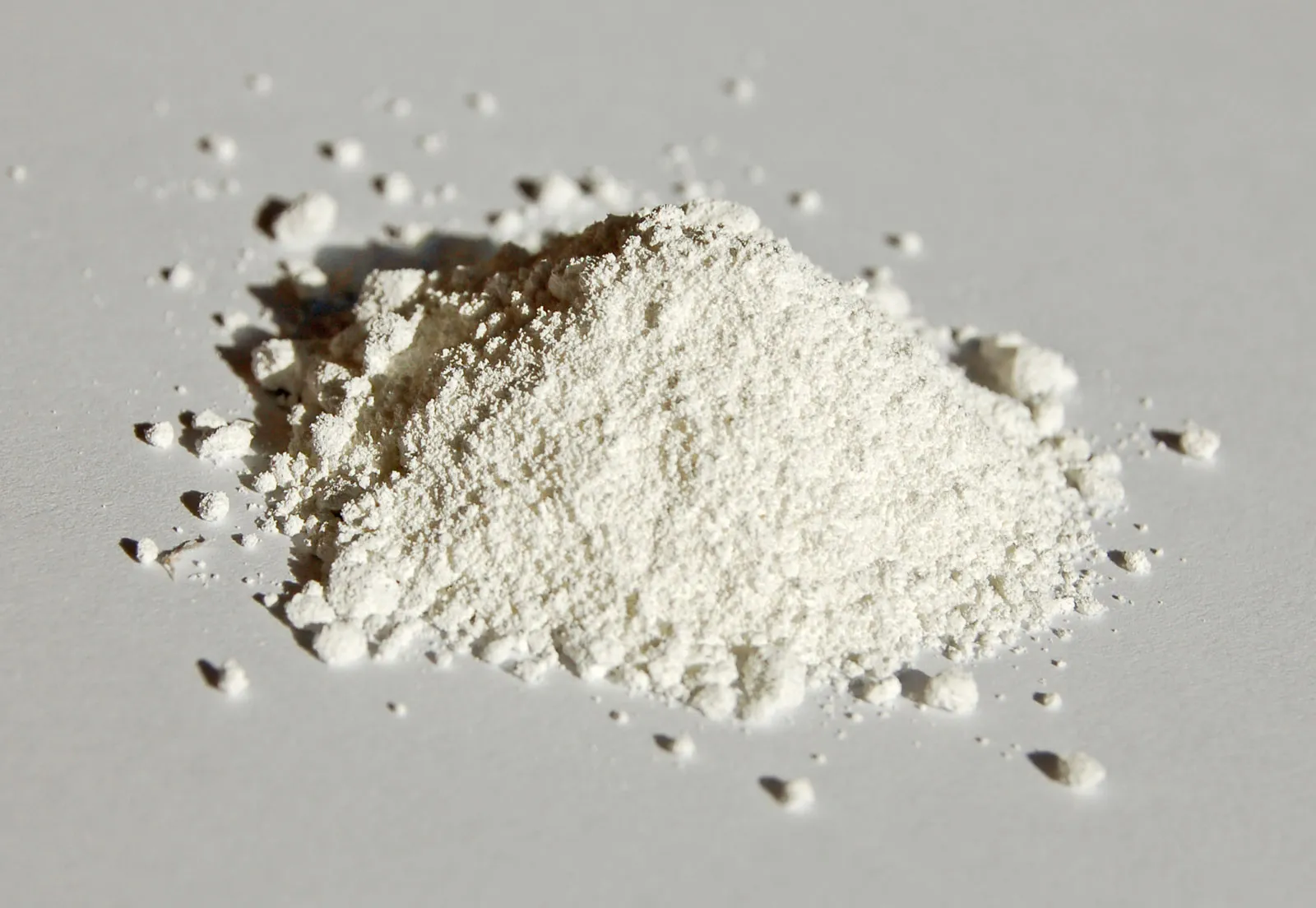
Description
The Unsung Hero of High Heat: Exploring Titanium Dioxide Refractories
Refractories, the unsung heroes of countless industrial processes, are the materials that withstand the extreme temperatures demanded in furnaces, kilns, and reactors. While materials like alumina and magnesia are well-known in refractory applications, titanium dioxide (TiO2) is emerging as a compelling option, offering a unique blend of properties that make it suitable for specialized high-temperature environments.
This article delves into the world of titanium dioxide refractories, exploring their characteristics, advantages, limitations, and applications.
Understanding Titanium Dioxide (TiO2) and its Refractory Potential
Titanium dioxide, a naturally occurring oxide of titanium, exists in several crystalline forms, including rutile, anatase, and brookite. Rutile is the most stable and commonly used form, particularly for high-temperature applications.
TiO2 possesses a high melting point of around 1843°C (3349°F), making it inherently resistant to thermal degradation. Beyond just high-temperature stability, TiO2 refractories offer:
- High Refractoriness Under Load (RUL): This crucial property allows TiO2 refractories to maintain their structural integrity under intense pressure at high temperatures, an essential requirement in many industrial settings.
- Good Chemical Inertness: TiO2 is relatively resistant to attack from many corrosive agents, including acidic and basic slags, making it suitable for specialized environments.
- Excellent Wear Resistance: The inherent hardness of TiO2 contributes to its resistance to abrasion and erosion, extending the lifespan of refractory linings.
- Unique Electrical Properties: In specific compositions, TiO2 can exhibit semiconducting properties at elevated temperatures, opening doors for specialized applications like electrodes in high-temperature processes.
Advantages and Disadvantages of TiO2 Refractories
Like any material, TiO2 refractories have their own set of advantages and disadvantages:
Advantages:
- High Thermal Stability: Excellent performance at extremely high temperatures.
- Good Resistance to Chemical Attack: Withstands corrosive environments where traditional refractories may fail.
- High Wear Resistance: Extends refractory lifespan, reducing maintenance and replacement costs.
- Potential for Specialized Applications: Unique electrical properties can be leveraged in specific processes.
Disadvantages:
- Lower Thermal Shock Resistance: TiO2 is susceptible to cracking under rapid temperature changes compared to some other refractories.
- Higher Cost: TiO2 raw materials and processing can be more expensive than more common refractory materials.
- Potential for Reduction at High Temperatures: Under highly reducing atmospheres, TiO2 can be reduced to lower titanium oxides, potentially impacting its properties.
Applications of TiO2 Refractories
Despite its limitations, the unique properties of TiO2 refractories make them invaluable in specific applications:
- Linings for Special Furnaces: Used in furnaces operating at extremely high temperatures or in corrosive environments where other refractories are unsuitable.
- Crucibles for Melting High-Purity Metals and Alloys: TiO2 crucibles offer minimal contamination for metals requiring extremely high purity.
- Components in High-Temperature Chemical Reactors: Its chemical inertness makes it suitable for reactors involved in aggressive chemical processes.
- Slag Resistance Applications: Particularly in applications involving acidic slags, TiO2 refractories can provide superior performance compared to basic refractories.
- Specialized Electrodes: The semiconducting properties of TiO2 at high temperatures can be leveraged in specialized electrode applications.
Future Developments and Research
Ongoing research focuses on improving the thermal shock resistance of TiO2 refractories through various strategies:
- Adding Stabilizing Agents: Incorporating additives like zirconia (ZrO2) or magnesia (MgO) can enhance thermal shock resistance.
- Developing Composite Materials: Combining TiO2 with other refractory materials can create synergistic effects, improving overall performance.
- Optimizing Microstructure: Tailoring the microstructure of TiO2 refractories through controlled processing can enhance their mechanical and thermal properties.
Conclusion
Titanium dioxide refractories represent a specialized but crucial class of materials in the world of high-temperature applications. While they may not be as widely used as more common refractories like alumina or magnesia, their unique combination of high melting point, chemical inertness, and wear resistance makes them indispensable in specific industries. As research continues to address its limitations, particularly thermal shock resistance, TiO2 refractories are poised to play an increasingly important role in pushing the boundaries of high-temperature processing.

Reviews
There are no reviews yet.