
Description
1. Product Overview
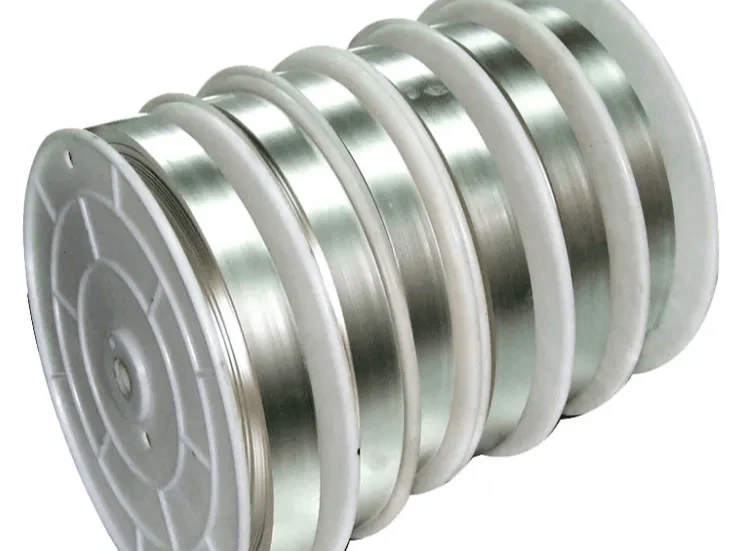
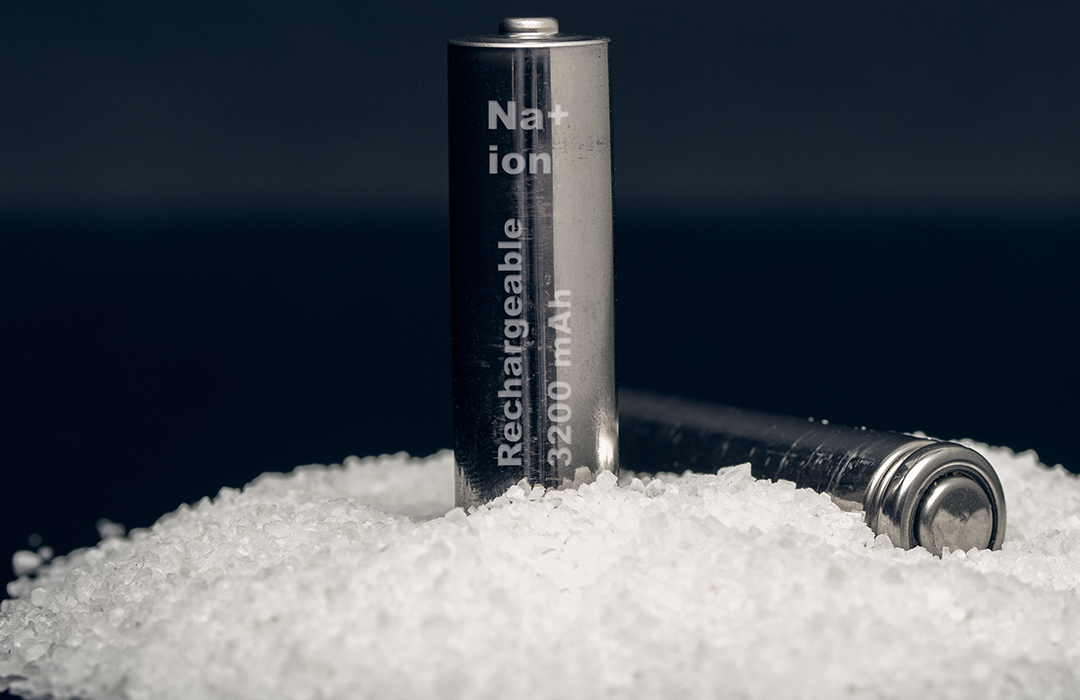
Tin Residue (Battery Grade) is a secondary tin-bearing material recovered from industrial processes and refined for use in battery manufacturing and metallurgical applications. It contains a concentrated tin content suitable for recycling into tin alloys and electrochemical components used in energy storage systems. The material provides manufacturers with a cost-efficient alternative to primary tin sources while maintaining the metallurgical quality required for battery-grade applications. As global demand for energy storage and metal recycling accelerates, tin residue represents a strategically important feedstock supporting both circular resource utilization and supply chain efficiency.
2. Key Specifications & Technical Characteristics
- Chemical Composition: Tin (Sn) as the primary component with trace elements such as lead (Pb), copper (Cu), and iron (Fe) depending on source material
- Purity Level / Grade: Typically 60–90% tin content (battery-grade recyclable feedstock)
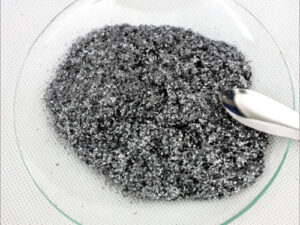
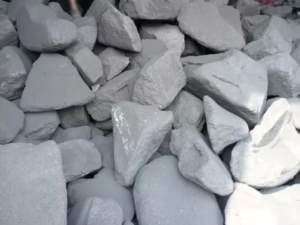
- Physical Form: Solid residue, granulated fragments, or compact metallic lumps depending on processing method
- Color: Metallic grey to dull silver
- Particle Size: Variable fragments typically ranging from fine granules to larger pieces (screened upon request)
- Bulk Density: Approximately 3.5–5.5 g/cm³ depending on composition
- Moisture Content: Typically <2%
- Packaging Options: Bulk loose cargo, jumbo bags (1 MT), or containerized bulk shipment
- Shelf Life: Indefinite when stored in dry, covered industrial storage conditions
3. Core Industrial Applications
Tin Residue (Battery Grade) is utilized across several metallurgical and energy-related industries that require reliable secondary tin feedstock.
- Battery Manufacturing: Reprocessed into tin compounds and alloys used in advanced battery technologies and energy storage components.
- Metal Smelting & Refining: Used as a feedstock in tin recovery processes to produce refined tin for industrial and electronic applications.
- Alloy Production: Incorporated into solder alloys, bearing alloys, and specialty metals used in electronics, automotive components, and industrial equipment.
- Metallurgical Recycling Facilities: Processed to recover high-purity tin, improving material efficiency and reducing reliance on mined resources.
Compared with primary tin ore, battery-grade tin residue offers lower acquisition costs, faster availability, and strong material recovery efficiency for industrial metal recycling operations.
4. Competitive Advantages
- Consistent Industrial Quality: Controlled sourcing and grading to ensure stable tin concentration suitable for metallurgical recovery
- Reliable Supply Chain: Continuous availability through established industrial recovery channels
- Efficient Logistics: Bulk export capability with containerized loading for international buyers
- Cost Competitiveness: Significantly lower procurement cost compared with primary tin raw materials
- Sustainability Benefits: Supports circular metal recycling and reduces mining-related environmental impact
- Technical Documentation: Material specifications and composition details available for procurement and metallurgical evaluation
5. Commercial & Supply Information
- Minimum Order Quantity (MOQ): BULK 20 MT
- Loading Capacity: 20–25 MT per 20-ft container depending on packaging format and density
Reviews
There are no reviews yet.