
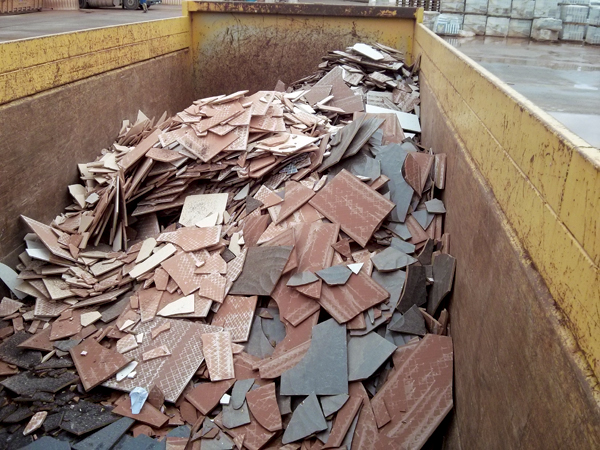
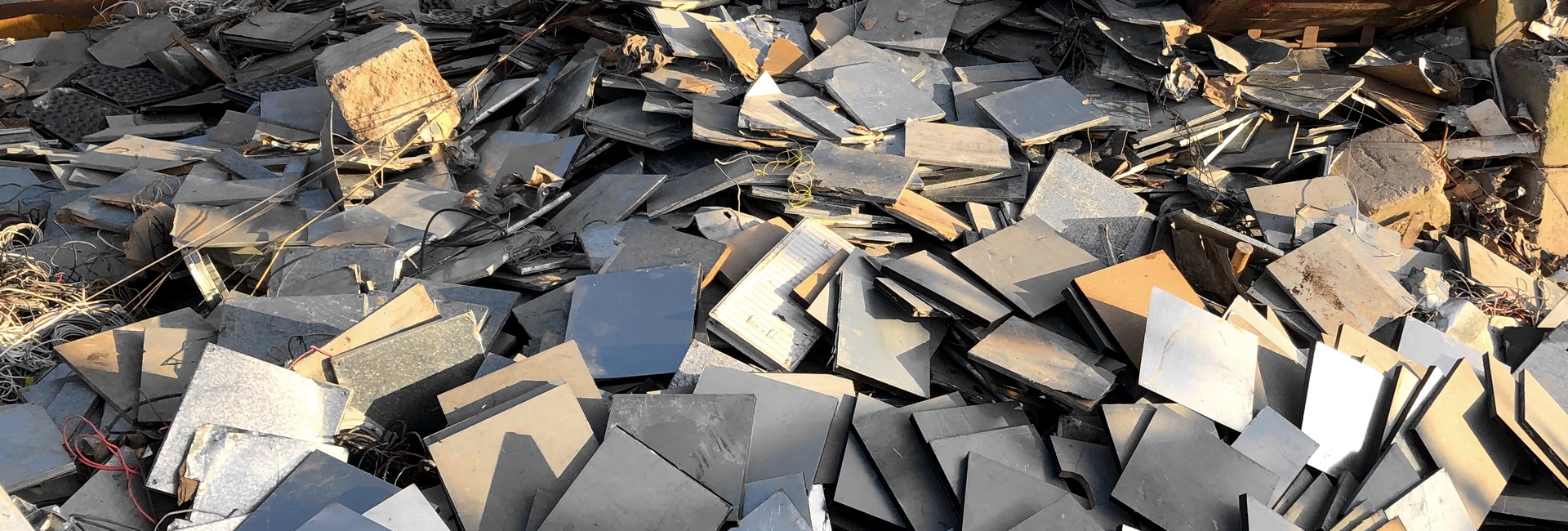
Description
1. Product Overview
Tile Manufacturing Sludge is a mineral-rich byproduct generated during ceramic tile production processes, consisting primarily of finely suspended clay, silica, and feldspar residues collected from cutting, polishing, and wastewater treatment systems. It is widely utilized as a secondary raw material in construction materials, cement manufacturing, and ceramic product recycling. By recovering and reprocessing this material, industries can reduce raw material costs while maintaining functional mineral content for industrial applications. As global manufacturing increasingly prioritizes waste minimization and circular resource use, tile manufacturing sludge has become a strategically valuable material for sustainable industrial supply chains.
2. Key Specifications & Technical Characteristics
- Material Composition: Primarily silica (SiO₂), alumina (Al₂O₃), clay minerals, feldspar residues, and trace ceramic binders
- Purity Level / Grade: High mineral content suitable for industrial reuse; composition may vary slightly depending on tile production process
- Physical Form: Fine powder or semi-dry sludge after filtration and drying
- Color: Light grey, beige, or off-white depending on original ceramic formulation
- Particle Size Distribution: Typically <150 microns after processing and drying
- Bulk Density: Approximately 1.1–1.5 g/cm³ (dry basis)
- Moisture Content: Typically <10% after dewatering and drying processes
- Processing: Mechanically filtered, dried, and screened to achieve uniform material consistency
- Packaging Options: Bulk loose cargo, jumbo bags (1 MT), or containerized bulk loading
- Shelf Life: Indefinite when stored in dry, covered storage conditions
3. Core Industrial Applications
Tile Manufacturing Sludge is utilized across several industrial sectors where mineral-based fillers and ceramic raw materials are required.
- Cement Manufacturing: Used as a supplementary mineral component in cement clinker production due to its silica and alumina content.
- Ceramic & Tile Production: Reintroduced into ceramic formulations to recover valuable raw materials and reduce production waste.
- Brick & Construction Material Manufacturing: Incorporated into clay brick, roofing tile, and ceramic block production as a mineral filler and structural component.
- Industrial Fillers & Aggregates: Applied in construction products such as concrete blocks and composite materials where fine mineral fillers improve material density and strength.
Compared with virgin mineral inputs, tile manufacturing sludge provides cost savings while maintaining compatible chemical composition for ceramic and construction applications, supporting efficient material recovery in large-scale manufacturing.
4. Competitive Advantages
- Consistent Mineral Content: Derived from controlled ceramic production processes ensuring stable silica and alumina composition
- Reliable Supply Streams: Continuous availability from tile manufacturing facilities and ceramic processing plants
- Flexible Logistics: Available for bulk export with containerized shipment and multiple packaging options
- Cost Advantage: Lower procurement cost compared with virgin ceramic raw materials or mineral fillers
- Sustainability Impact: Supports industrial waste reduction and circular material utilization in construction and manufacturing sectors
- Technical Documentation: Material specifications and industrial analysis available to support procurement and production integration
5. Commercial & Supply Information
- Minimum Order Quantity (MOQ): BULK 20 MT
- Loading Capacity: 20–25 MT per 20-ft container depending on moisture level and packaging format
Reviews
There are no reviews yet.